Primula Classic Moka Pot — Compact Stovetop Espresso Review
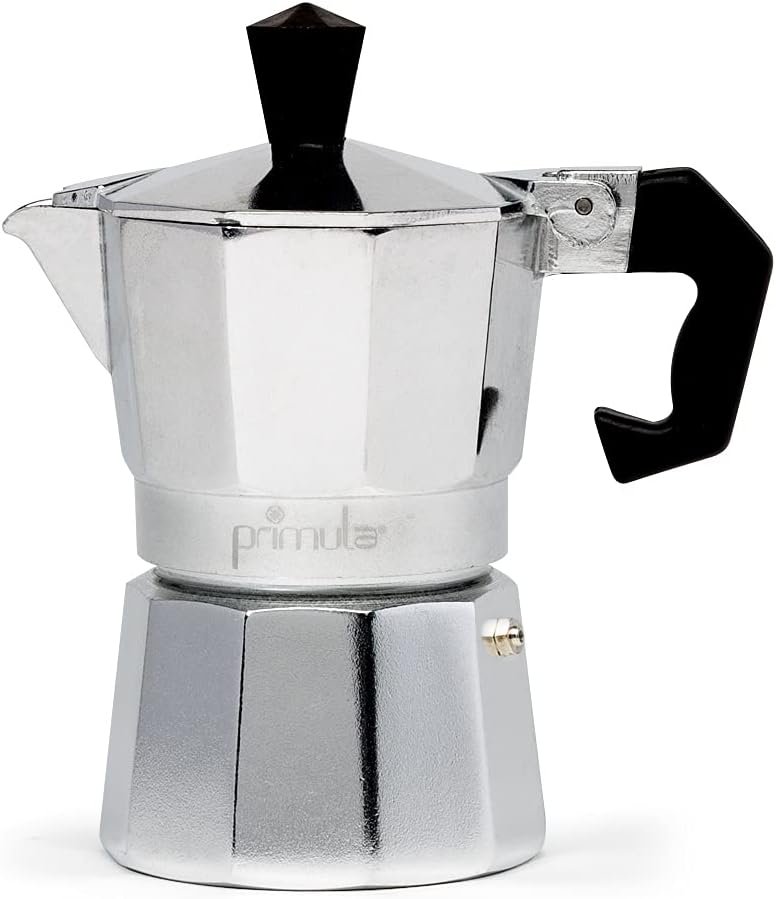
Selecting the right coffee or tea appliance shapes daily brewing quality, workflow, and long-term enjoyment. Small-batch stovetop brewers like the Primula Classic Moka Pot are designed for users who prioritize compactness, manual control, and rapid stovetop brewing rather than the automated profiling of electric machines. Home brewers, compact households, and campers often seek devices that balance consistent extraction with straightforward operation. The Primula Classic targets those needs through a cast-aluminum body, a single-demitasse capacity, and a built-in safety-release valve to limit overpressure. Evaluating this product requires attention to brewing method compatibility, grind particle distribution, heat transfer and retention properties of aluminum, and the practical implications of single-cup capacity. Workflow considerations include fill-and-assemble simplicity, stovetop compatibility, and cleaning expectations tied to manual operation. For buyers comparing stovetop moka pots to pump espresso machines or pour-over methods, the Primula Classic represents a manual, low-tech path to concentrated coffee that rewards appropriate grind size, vigilant heat control, and realistic expectations about pressure-driven extraction versus true espresso.
Quick Overview
| Feature | Details |
|---|---|
| Product category | Stovetop moka pot (Greca/Cafetera style) |
| Brewing method | Steam/pressure-driven stovetop extraction—one demitasse serving |
| Capacity | 1 espresso cup (single serving) |
| Materials | Cast aluminum body, heat-resistant knob and handle |
| Pressure / safety | Safety-release valve pre-set to limit overpressure |
| Stovetop compatibility | Gas, electric, ceramic, and propane stovetops supported |
| Grind compatibility | Finely ground coffee intended for moka-style extraction (not espresso machine fine) |
| Cleaning | Hand rinse only; not dishwasher safe |
| Portability | Lightweight, compact for travel and camping |
| Intended users | Home brewers, campers, single-serve enthusiasts |
The table highlights specifications that directly influence brew outcomes and daily usability. Cast-aluminum construction accelerates heat transfer and reduces weight, while the safety-release valve constrains pressure buildup and affects extraction dynamics. Single-cup capacity suits compact households or travel but limits serving flexibility. Manual operation and hand cleaning are part of the workflow, and compatibility with multiple stovetop types increases situational versatility.

Brewing method compatibility and intended beverages
The Primula Classic uses the moka pot principle: water in the lower chamber is heated until vapor pressure forces it upward through a packed coffee basket into the collecting chamber. This method produces a concentrated, full-bodied cup that sits between drip coffee and pump espresso in intensity. The device accommodates finely ground coffee formulated for moka-style brewing but is not intended to replicate pump-driven espresso pressure. Cuban-style sweetened brews, Americanos (with added hot water), and milk-based drinks like lattes and cappuccinos prepared with pre-heated milk are compatible applications. Because the unit is manual and relies on stovetop heat source characteristics, extraction nuances depend on grind distribution, tamping/bed level, and attentive heat management to avoid over-extraction or burning.

Grind selection and particle distribution impact
Particle-size consistency is a primary determinant of extraction uniformity in a moka pot. A grind that is too coarse will under-extract, yielding thin, weak flavors; a grind that is too fine can over-extract bitter compounds and increase blockage risk. For the Primula Classic, a grind slightly coarser than espresso-machine fine but finer than drip is typically recommended for balanced extraction. Because the moka process pushes water through a compacted bed under modest pressure, even pockets of fines can accelerate channeling or clogging, so using a burr grinder with stable particle distribution improves repeatability.
Beverage scope: What to expect in cup character
The resulting brew typically presents concentrated flavor, medium-to-full body, and pronounced solubles because of the direct contact with near-boiling water and partial pressure-driven flow. Compared with pump espresso, crema will be minimal or absent due to lower achievable pressure and different emulsification dynamics. When used for Cuban-style coffee, sugar often is added during or immediately after extraction to promote caramelization and a syrupy texture. For milk drinks, the concentrated moka output functions well as a base when combined with steamed or frothed milk prepared separately.
Compatibility with tea or alternative brews
Although designed for ground coffee, moka pots can brew robust tea concentrates when used carefully with coarse, whole-leaf tea and a lower heat profile to avoid over-extraction of bitter tannins. The aluminum construction and direct-contact boiling environment require caution with delicate teas; typically, brewing tea in a moka pot is more niche, suited for very bold teas or herbal concentrates rather than green or white teas that are heat-sensitive.
Ease of use, workflow complexity, and stovetop interaction
The Primula Classic emphasizes a straightforward assemble-heat-pour workflow: fill the base with water to the safety valve, place the basket with ground coffee, screw on the top chamber, and apply gentle heat. Manual operation eliminates electronics and programming but demands attention to heat control and timing. The flip-top lid, heat-resistant knob, and insulated handle simplify pouring while the compact size reduces ramp-up time. Users should monitor simmer intensity to manage extraction rate; overly aggressive heat can force scalding water through the basket and introduce burnt flavors, while too-low heat prolongs extraction and increases chance of under-extraction. Compatibility with gas, electric, ceramic, and portable propane burners expands situational use, but surface contact and burner size relative to the 3″ diameter base influence heat distribution and efficiency.

Assembly, dosing, and workflow steps
Preparation is manual and linear: add water to the lower chamber up to the safety valve, level but do not tamp the coffee in the filter basket, then assemble. This workflow is intentionally minimal, supporting rapid preparation without grind dosing complexity or pressure profiling. Correct water level is critical to avoid dry heating of the base or overflow during extraction. Consistent dosing and even coffee bed leveling reduce channeling and improve extraction repeatability. The flip-top lid reduces spill risk during pouring but does not alter extraction profile.
Heat source interaction and burner sizing
Heat transfer depends on burner type and size relative to the pot’s base. A burner that overhangs the base can produce uneven heating at the aluminum walls, accelerating extraction local to hot spots and increasing risk of scorching. Conversely, a very small flame prolongs extraction time and can reduce the vigor of flow. On flat electric or ceramic surfaces, full contact improves conduction, while open-flame gas offers quicker response but requires monitoring. Portable propane stoves work for camping use, but wind and fuel variability can affect consistency.
Workflow learning curve and repeatability expectations
The device is accessible for beginners but rewards attention to variables: grind, heat, and fill level. Repeatability will be higher when coffee is prepared with a consistent grind and a stable burner setup. The manual nature provides control but also introduces variability not present in automated machines. For routine single-cup brewing, users who accept a short learning phase will find a dependable ritual; those seeking push-button consistency may prefer electric alternatives.
Temperature control, heat stability, and material influence
Cast aluminum is the primary construction material, offering rapid heat-up and efficient conduction. Rapid conduction helps the lower chamber reach near-boiling temperatures quickly, which is useful for short extraction cycles but also makes fine heat control more consequential. Aluminum has relatively low heat capacity compared with thicker stainless steel, so temperature can change rapidly when heat is reduced or removed. The safety-release valve limits pressure and indirectly moderates temperature-driven pressure spikes. For consistent extractions, users need to manage flame intensity and remove the pot from heat promptly when flow diminishes, as retained heat can continue extraction and alter cup balance.

Heat transfer characteristics of cast aluminum
Aluminum’s high thermal conductivity promotes uniform heating across the lower chamber, accelerating vapor generation and initial flow. This can shorten the active extraction window compared with heavier materials, placing emphasis on precise timing. Thinner walls also mean faster cooldown once removed from heat, which helps prevent prolonged over-extraction if the pot is transferred off the burner promptly. The trade-off is that thermal responsiveness requires active monitoring to maintain a consistent extraction temperature throughout the brew cycle.
Role of the safety-release valve in pressure and temperature dynamics
The built-in safety valve is a safety and extraction control feature that vents if pressure exceeds its set threshold. This valve reduces the likelihood of excessive pressure accumulation that could otherwise lead to safety hazards or overly forceful extraction. From an extraction standpoint, the valve sets an upper limit on achievable pressure, reinforcing the moka pot’s characteristic output that differs from pump-driven machines. Consistent valve performance is part of predictable extraction behavior; valve maintenance and ensuring unobstructed ventilation are important for reliable operation.
Managing heat to optimize extraction and avoid burnout
Optimal extraction occurs when water temperature is high enough to dissolve desirable solubles while avoiding excessive agitation or scorching of grounds. For the Primula Classic, moderate heat that brings steady flow without sputtering tends to favor balanced extraction. Removing the pot from the burner at the first sign of a lighter, steam-dominant flow prevents continued thermal extraction of bitter compounds. Because aluminum responds quickly, small heat adjustments translate into noticeable changes in flow and flavor, which is advantageous for experienced manual brewers but introduces variability for novices.
Brew consistency, extraction quality, and maintenance implications
Extraction quality in a small moka pot hinges on grind uniformity, consistent dosing, and controlled heat. The Primula Classic’s design—compact single-cup basket and short internal flow path—favors quick extraction and concentration of solubles. Because the unit is manual and uses a built-in basket rather than paper filtration, oils and fine particles contribute to body and mouthfeel while demanding regular cleaning to prevent buildup. The safety valve, gasket integrity, and thread seal are maintenance items that affect both safety and consistent pressure sealing. Regular inspection, replacement of the rubber gasket when worn, and clearing of the valve channel preserve consistent performance over time.

Extraction dynamics in small-batch moka pots
Moka pot extraction relies on forced passage of near-boiling water through a compact bed at modest pressure. The short contact time and concentrated flow accentuate soluble compounds; small deviations in grind or heat produce disproportionately large flavor shifts compared with larger-batch methods. A stable grind with minimal fines reduces the risk of channeling and blockage, improving extraction evenness. The internal basket and spout geometry also shape flow rates; a tight seal between chambers prevents bypass and preserves intended pressure-driven extraction.
Cleaning frequency and procedures tied to brew quality
Because oils and fine particulates accumulate in the top chamber and spout, routine rinsing and drying after each use reduce stale residues and off-flavors. The product specifies hand rinsing only and non-dishwasher compatibility; abrasive detergents and strong scrubbing can degrade the aluminum finish and gasket material. Periodic disassembly to clean the basket, chamber threads, and valve area helps maintain unobstructed flow and consistent pressure. Failure to clean regularly can reduce flow efficiency and alter extraction profiles over time.
Component wear and parts replacement considerations
Long-term reliability depends on gasket elasticity, valve integrity, and thread condition. Rubber gaskets degrade with heat cycling and should be replaced when signs of compression or cracking appear. The safety valve must remain clear and responsive; mineral buildup or coffee fines can impede venting, affecting pressure behavior. Because the unit is cast aluminum, care should be taken to avoid acidic cleaners that can accelerate surface changes. Readily available replacement gaskets and simple mechanical construction make maintenance straightforward for routine owners.
Capacity, serving flexibility, durability, and who should avoid this product
The Primula Classic’s one-cup capacity defines its role: single demitasse servings, concentrated espresso-style bases, and portable use cases. This capacity benefits solo drinkers and campers but limits households seeking multiple simultaneous servings. Cast aluminum contributes to low weight and rapid heating yet requires mindful care to preserve finish and gasket health. Durability expectations align with manual brewing appliances—mechanical simplicity supports longevity when components are serviced and cleaned. Users who require true pump-driven espresso pressure, higher volumes, automated temperature control, or dishwasher convenience should consider alternative appliance classes. The Primula Classic fits niches prioritizing compactness, portability, and a manual stovetop ritual.

Capacity trade-offs and serving strategies
Single-serving output streamlines morning routines for one person and reduces wasted coffee for infrequent drinkers, but it necessitates sequential brewing for multiple cups, which can be inefficient. The small internal volume shortens heat-up and extraction times, favoring quick preparation but limiting flexibility for entertaining. For users wanting multiple demitasse servings, larger moka models or other manual methods may be more appropriate.
Long-term durability and materials considerations
Cast aluminum is robust for portable use and resistant to denting compared with some thinner materials, yet it can show surface wear and discoloration over time with acidic exposure or abrasive cleaning. Threaded joints and the gasket are wear points; periodic inspection and replacement of the gasket preserve seal integrity. The safety-release valve is a critical component for durability and safety; keeping it clean and functional is essential.
Who should avoid a compact stovetop moka pot
This device is not suitable for users expecting pump-extracted espresso with high-pressure crema, those who need automatic temperature profiling, or households that prioritize dishwasher-safe convenience. Users unwilling to manage stovetop heat, monitor extraction, or perform routine cleaning and gasket maintenance may find electric or capsule-based systems better aligned with their needs.

Pros & Cons
Pros
- Compact, single-cup format ideal for solo brewers and travel. The small footprint and lightweight cast-aluminum construction make this unit convenient for camping, small kitchens, and quick single servings without long heat-up periods.
- Rapid heat conduction and efficient extraction window. Cast aluminum transfers heat quickly from the burner to the lower chamber, producing a concentrated, robust cup in minutes when coupled with proper grind and heat control.
- Simple manual workflow with minimal moving parts. The fill–assemble–heat sequence reduces mechanical failure points compared with electric machines and supports easy portable use across gas, electric, ceramic, and propane stovetops.
- Built-in safety-release valve for controlled pressure behavior. The valve reduces excessive pressure buildup, contributing to safer stovetop operation and limiting extraction beyond the device’s designed pressure range.
- Durable mechanical construction with replaceable wear items. Threaded chambers, a removable gasket, and a separate filter basket mean routine maintenance and parts replacement are straightforward and cost-effective.
- Heat-resistant knob and handle for safer pouring. These features improve user handling immediately after brewing and reduce direct-contact burn risk during dispensing.
Cons
- Single-cup capacity limits serving flexibility. The one-demitasse output is not suitable for multi-person households without repeated brewing cycles, which can be inconvenient for entertaining.
- Requires manual heat control and monitoring. The rapid thermal response of aluminum mandates attentive simmer management; inconsistent burners or inattention can cause scorched flavors or over-extraction.
- Not dishwasher safe and needs regular hand cleaning. Oils and fines accumulate in the top chamber, and the manufacturer recommends hand rinsing only, which increases maintenance time compared with dishwasher-safe devices.
- Cannot reach pump espresso pressures or produce persistent crema. The safety valve and stovetop pressure dynamics make it unsuitable for users seeking machine-level espresso extraction characteristics.
- Aluminum construction is prone to surface wear if cleaned aggressively. Abrasive cleaners or acidic solutions can affect finish and require gentle cleaning practices to preserve appearance and component life.
Final Verdict: Who This Product Is Best For (and Who Should Skip It)
The Primula Classic Stovetop Espresso and Coffee Maker suits buyers who value compact, manual stovetop brewing for single servings and prioritize portability and simplicity over automation. It aligns with home brewers who enjoy hands-on control of grind, heat, and timing, and with campers or travelers needing a lightweight, multi-stovetop-compatible option. The cast-aluminum design enables rapid heat-up and concentrated extraction, but it places an emphasis on active heat management, consistent grind distribution, and routine maintenance of the gasket and safety valve. Owners who accept the moka method’s characteristic cup profile—concentrated, oil-forward, and without machine crema—will find it appropriate.
Conversely, this unit is not recommended for those who require high-volume brewing, dishwasher convenience, or authentic pump espresso pressure and crema. Users seeking automated temperature profiling or hands-off operation should consider electric pour-over systems or pump espresso machines. For its intended niche—compact, single-cup, stovetop extraction—the Primula Classic offers a mechanically simple and portable platform that performs predictably when paired with appropriate grind, careful heat control, and regular maintenance.

Frequently Asked Questions (FAQs)
How does a Primula moka pot differ from an espresso machine?
A moka pot uses stovetop heat to generate vapor pressure that forces near-boiling water through a packed coffee bed. Its pressure is modest and limited by a safety valve, producing a concentrated cup with body but without the high-pressure crema typical of pump espresso machines. Moka pots are manual, compact, and thermally responsive, while pump machines deliver higher, regulated pressure and automated temperature control for more consistent espresso-style results.
What grind size works best for a Primula Classic stovetop maker?
A grind slightly finer than medium but coarser than true espresso-fine is generally recommended for moka-style extractions. Consistent particle distribution from a burr grinder reduces channeling and clogging risk. Too coarse a grind leads to under-extraction and weak flavor; too fine a grind increases extraction time, bitterness, and blockage probability in the basket.
Can the Primula Classic be used on gas, electric, and portable stoves?
Yes. The Primula Classic is compatible with gas, electric, ceramic, and portable propane stovetops. Heat transfer and consistency will vary by burner size and contact: flat electric and ceramic surfaces offer uniform conduction, while gas and propane provide quick response but require attention to flame size and coverage relative to the pot’s 3-inch base.
How should the Primula Classic be cleaned and maintained?
The manufacturer specifies hand rinsing only; the pot is not dishwasher safe. After use, rinse the chambers and basket with warm water, dry thoroughly, and periodically inspect the rubber gasket and safety valve for buildup or wear. Avoid abrasive cleaners or acidic solutions that can affect the aluminum finish. Replace the gasket when signs of compression or cracking appear.
What does the safety-release valve do and why is it important?
The safety-release valve prevents excessive pressure buildup by venting when pressure exceeds a predetermined level. This reduces safety risks and limits extraction pressure to the moka pot’s design range. Regularly checking that the valve is unobstructed and free from coffee fines or mineral deposits is important for reliable and safe operation.
Is the Primula Classic suitable for making tea or other beverages?
While primarily designed for ground coffee, a moka pot can be used to make concentrated, bold tea infusions if coarse whole-leaf tea is used and heat is lowered to avoid over-extracting bitter tannins. Delicate green or white teas are not recommended due to the high-heat, direct-contact brewing environment typical of moka extraction.