Cuisinart Coffee Center Barista Bar Review — Fit & Brew
Introduction: Why Equipment Choice Matters
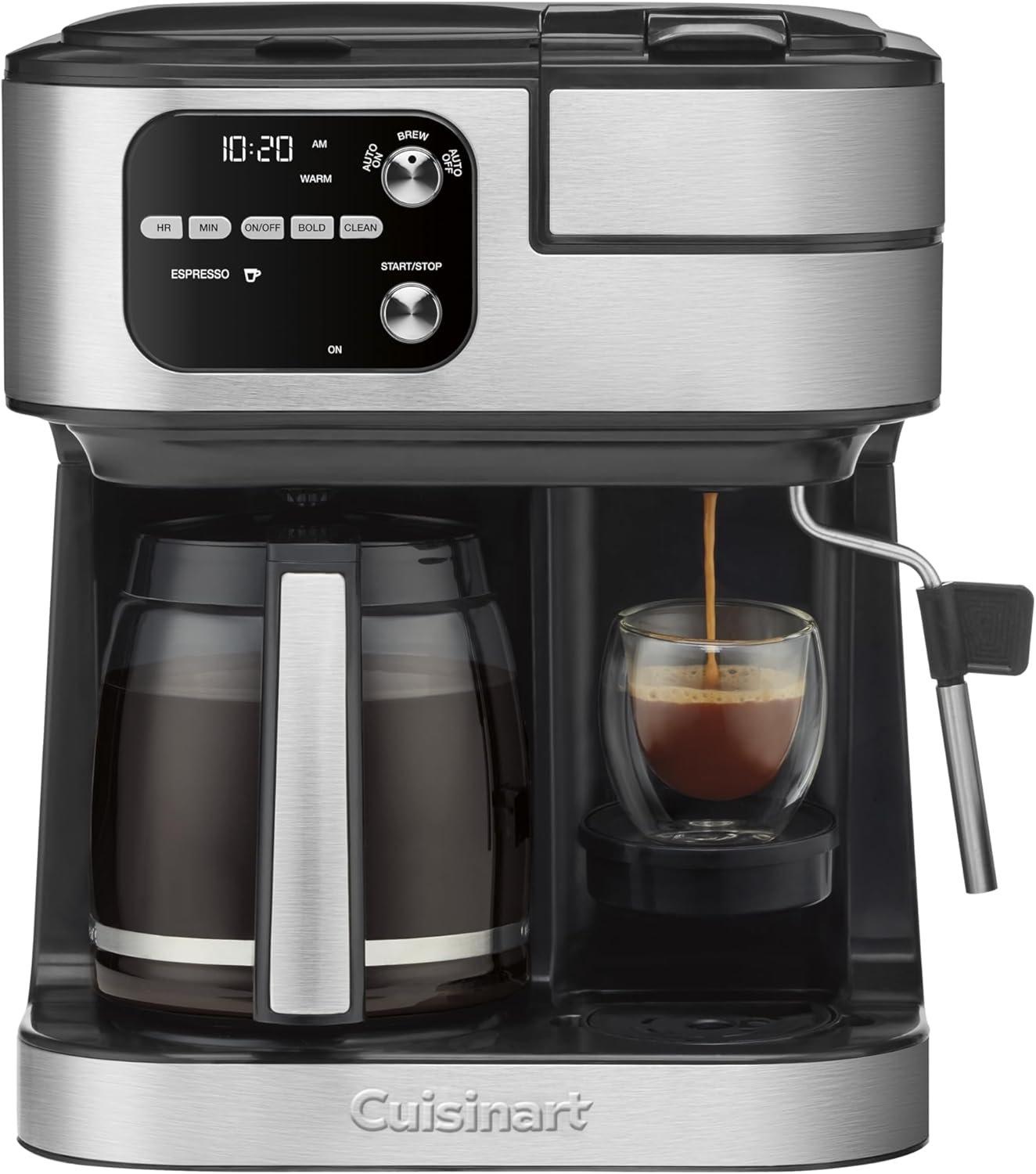
Choosing the right coffee or tea appliance affects beverage quality, kitchen workflow, and daily convenience. Home brewers, busy households, and casual enthusiasts seek machines that balance versatility with predictable thermal performance and consistent extraction. The Cuisinart Coffee Center Barista Bar 4-in-1 targets buyers who want both a 12-cup drip carafe and single-serve pod flexibility plus a steam wand in one compact footprint. Important considerations for selection include compatibility with preferred brewing methods and pod formats, how the machine controls temperature and steam, and whether its brew sizes and strength controls meet household needs. Durability, cleaning routines, and the reliability of components also influence long-term satisfaction. This review examines specifications and commonly reported user themes to clarify where the Barista Bar fits among multi-function coffee appliances so buyers can match machine characteristics to brewing goals and daily routines.
Quick Overview
| Feature | Details |
|---|---|
| Product category and brewing method | 4-in-1 combination: drip carafe, single-serve pod brewer, capsule compatibility (Nespresso OriginalLine-style), and steam wand for milk frothing/hot water |
| Capacity and output | Drip carafe up to 12 “cups” (approx. 5 oz per cup); single-serve sizes: 6, 8, 10 oz |
| Materials and construction | Solid exterior finish, stainless-steel accents (model color: Black); commercial-style gold-tone permanent filter included |
| Heating or pressure system | AC-powered heating system for drip and pod brewing; steam wand for milk frothing (steam pressure suited for frothing, not high-pressure espresso extraction) |
| Filter and pod compatibility | Permanent gold-tone filter, charcoal water filter, compatible with K-Cup style pods and Nespresso OriginalLine-style capsules |
| Best suited users | Households seeking multi-function convenience, users who alternate between carafe coffee and pods, light espresso-style drinks with milk frothing |
| Intended use cases | Brew full-carafe drip coffee, single-serve pod beverages, steam and froth milk for lattes/cappuccinos, and dispense hot water for tea or hot cereals |
| Warranty | Manufacturer warranty details: refer to Cuisinart documentation |
The feature set combines standard drip brewing hardware with single-serve pod mechanics and a milk-steaming wand. That compound design affects usability: switching between carafe and single-serve modes will shape daily workflow, while the inclusion of permanent and charcoal filters influences extraction clarity and water quality for both drip and pod brewing.

Brewing method compatibility and beverage variety
The machine integrates three distinct brewing approaches—full-pot drip, single-serve pod brewing, and capsule-style espresso shots—plus a steam wand for milk texturing. This multi-method compatibility allows a household to prepare a range of beverages from large-batch drip coffee to single-serve pod drinks and milk-based specialty beverages, but inherent trade-offs exist. Drip brewing relies on a standard hotplate and internal heating element tuned for batch extraction, while single-serve pod brewing uses a separate pod-channel water flow. Capsule compatibility is limited to Nespresso OriginalLine-style capsules rather than Nespresso-branded machines, meaning extraction profile will differ from dedicated high-pressure espresso machines. Buyers seeking genuine high-pressure espresso extraction should note this design focus on convenience and drink variety over barista-level crema production.

Pod and capsule compatibility details
Pod compatibility is specified for K-Cup style single-serve pods and Nespresso OriginalLine-style capsules, which expands available beverage options and flavor profiles. K-Cup pods typically contain pre-ground coffee designed for short-contact water flow and pressure specific to pod brewers, producing an extraction suited to single-cup convenience rather than full immersion. Nespresso OriginalLine-style capsules use a different capsule geometry and grind specification intended to produce concentrated shots, though the machine’s internal pressure system is not the same as a dedicated espresso machine; expect concentrated flavors but not the same crema or pressure-driven extraction of true espresso machines. Compatibility widens product selection but also creates variability in perceived strength and mouthfeel across capsule types.
Drip carafe brewing characteristics
Drip carafe brewing on this model uses a traditional showerhead and hotplate arrangement tailored for batch extraction up to the stated 12 “cup” volume (approx. 5 oz per cup). Extraction quality for carafe coffee depends on water temperature at brew head, flow rate, and contact time with the coffee bed; the included gold-tone commercial-style permanent filter yields fuller-bodied cups and requires grind size control and regular cleaning to avoid off-flavors. The charcoal water filter helps reduce chlorine and certain tastes in tap water, which can improve extraction clarity when combined with fresh medium-coarse grind appropriate for flat-bottom or cone-style brew baskets.
Steam wand uses and limitations
The integrated steam wand offers steam and hot water for frothing milk and preparing tea or hot cereals. Steam output and temperature control from a combined multi-function appliance prioritize convenience over the high steam pressure found on dedicated espresso machines. Milk texturing sufficient for cappuccinos and lattes is achievable when operators use appropriate milk volume and positioning techniques; however, professional-level microfoam and rapid recovery between steam cycles are typically constrained by boiler capacity and heating element recovery. The wand is also useful for dispensing hot water for matcha, tea, or instant beverages, broadening the appliance’s utility beyond coffee alone.
Ease of use and workflow complexity
Operation relies on button-based human interface controls, 24-hour programmability for drip cycles, and selectable single-serve sizes, creating a hybrid workflow that mixes automatic drip programming with manual pod insertion and steam wand work. The carafe mode includes programmable brew start time, brew-pause, and adjustable Keep Warm settings up to four hours, which supports set-and-forget morning routines but requires initial programming and occasional monitoring of water levels. Single-serve brewing follows a separate path: pod insertion, selection of 6, 8, or 10 oz size, and initiation—this creates a quick-cup workflow but necessitates clearing the pod and occasionally descaling or rinsing the pod channel. Adding milk frothing introduces a manual step that requires milk preparation, wand cleaning, and steam activation. Overall, the interface aims for accessible convenience while combining multiple operational modalities.

Controls, programmability and presets
The fully automatic drip controls include 24-hour programmability and strength adjustment options. Programmable presets allow users to schedule a carafe brew, which is useful for consistent morning timing; the brew strength control modifies flow or infusion characteristics to emphasize body or clarity depending on user preference. The brew-pause feature permits temporary interruption for a pour while brewing, and adjustable Keep Warm offers up to four hours of plate heating. Complexity arises from coordinating settings between carafe and single-serve modes: presets apply to carafe brewing only, while single-serve selections require manual size selection. Clear labeling and a button-driven interface reduce learning time but require attention to avoid mode overlap.
Single-serve and pod workflow
Single-serve brewing supports three cup-size selections—6, 8, and 10 ounces—compatible with K-Cup style pods and OriginalLine-style capsules. The pod workflow is typically faster than carafe brewing and suited for one-off drinks, but it requires space for pod storage and routine pod basket cleaning. The separate pod channel means switching from carafe to single-serve involves different water routing and possibly different temperature profiles, which can yield variations in cup temperature and extraction. Frequent single-serve use benefits from regular exterior and pod-channel wiping as well as occasional descale cycles to preserve consistent flow rates.
Milk frothing and workflow integration
The steam wand adds the capability to produce frothed and steamed milk for lattes and cappuccinos, integrating manually into the brewing sequence. Effective frothing requires pre-chilled milk, proper volume in the pitcher, and attention to wand positioning and technique to create desired microfoam. After steaming, wand cleanup is important to prevent milk residue buildup; the wand is not dishwasher-safe and requires wiping and quick purge cycles. The need to alternate between pod or carafe brewing and milk steaming adds manual steps, so households prioritizing an automated milk-based routine may find dedicated milk systems or fully automatic espresso machines more streamlined.
Temperature control and heat stability
Temperature stability is central to extraction and flavor clarity across modes; the Cuisinart machine employs an internal heating element and hotplate for drip brewing and a separate pathway for single-serve pod water delivery, each optimized within the constraints of a compact, combined design. Temperature control impacts extraction: water that is too cool under-extracts, while too-hot water can over-extract or highlight bitterness. The keep-warm plate maintains post-brew temperature but can alter flavor over extended periods, and the steam wand relies on stored thermal energy for steam generation, so repeated steam cycles may show recovery limits. As a multi-function unit, expect careful balancing of heating and recovery times rather than the tight thermal stability of commercial or dedicated espresso boilers.

Heating system and brew temperature considerations
The internal heating system is configured to serve both the drip boiler and single-serve water path; manufacturers typically optimize these systems to reach near-ideal brewing temperatures for drip (between 195 and 205°F at brew head) while managing safety and recovery. In a combined design, temperature at the brew head can vary slightly with water volume and prior use—brewing a full carafe after multiple single-serves may show transient fluctuations. The charcoal water filter can marginally affect boil-point chemistry by removing chlorine and off-flavors but does not alter thermal performance. Buyers seeking precise temperature profiling should compare to machines with PID controllers or dedicated boilers.
Keep-warm and thermal retention effects
The adjustable Keep Warm function extends post-brew plate heating up to four hours, preserving serve-ready temperature but potentially accelerating flavor degradation if coffee sits too long on a warmplate. For best flavor, short retention periods and insulated carafes are preferred; this machine uses a hotplate for retention, which is common for drip designs but less ideal than thermal carafes for long-term flavor preservation. Thermal retention also affects single-serve expectations: pod-cup temperature depends on immediate brew heat and cup insulation, so pre-warming cups and monitoring brew size selections help maintain target serving temperatures.
Steam wand temperature and recovery
The steam wand is designed for milk frothing and hot-water dispensing, leveraging internal steam generation that is appropriate for milk texturing but limited compared to commercial steam boilers. Recovery time between steam cycles depends on boiler size and heating element capacity; repeated consecutive steam uses may require short pauses for reheating. For households preparing one or two milk-based drinks at a time, the wand should provide acceptable performance, but high-volume steaming or rapid back-to-back steaming might encounter slower recovery and a modest drop in steam vigor.
Brew consistency and extraction quality
Consistency across brew modes depends on stable water temperature, controlled flow rates, filter media, and repeatable dosing. This appliance combines a permanent gold-tone filter for carafe brewing, a charcoal water filter to improve source water, and pod/capsule channels that standardize dose for single-serve drinks. The gold-tone filter preserves oils and body, producing a fuller cup compared with paper filters but requiring consistent grind size and frequent cleaning to avoid off-flavors. Single-serve pods and capsules deliver repeatable pre-measured doses, but extraction is constrained by the machine’s water-to-pod contact profile. Strength control and size selections provide user-level adjustments to match taste preferences while acknowledging that extraction fidelity will not match that of separate, dedicated grinders and espresso machines.

Filter media and grind compatibility
The included gold-tone permanent filter and charcoal water filter influence extraction and water quality. For the carafe, grind size and uniformity are important: medium-coarse grind typically suits flat-bottom or cone basket designs, while overly fine grinds increase risk of over-extraction and clogging. The permanent metal filter retains oils and micro-fines, producing more body than paper but requiring routine rinsing to prevent buildup. The charcoal water filter reduces chlorine and common tap-water taste issues, improving perceived clarity; however, water mineral content still affects extraction and may necessitate periodic filter replacement as per manufacturer guidance.
Extraction differences: pods versus drip
Pod and capsule brewing standardize dose but alter extraction dynamics relative to drip coffee: pods are compressed and sealed with a grind size tailored to short contact and fast flow, resulting in a different flavor profile—often more concentrated and sometimes more acidic depending on roast. The machine’s pod channel and water flow are tuned for these formats, but pressure is lower than a pump-driven espresso machine; therefore, pod extraction yields concentrated single-serve drinks but not the same pressure-driven emulsion or crema. Drip carafe brewing allows larger contact time and fuller extraction opportunities, producing cups with different body and balance compared to pod-based cups.
Strength control and size options
Built-in brew strength control and single-serve size choices (6, 8, 10 oz) enable customization of concentration and volume. Strength controls typically adjust flow rate or infusion time to change solubles extraction; this can compensate for lighter roasts or coarser grinds in carafe mode. Single-serve sizes influence extraction by changing the water volume passing through the same dose, so selecting smaller sizes with the same pod will generally increase perceived intensity. Users aiming for consistent extraction should consider standardizing routine parameters—grind size for carafe, pod/capsule selection, and temperature—while recognizing the inherent variability introduced by multi-mode operation.
Capacity, cleaning, materials, and durability
Capacity and service flexibility are core to suitability: the machine offers up to 12 “cups” in carafe mode (measured at approximately 5 oz per cup) and three single-serve sizes, providing household-scale versatility. Cleaning and maintenance affect longevity: the unit is not dishwasher-safe and includes components—permanent filter, drip tray, water reservoir areas, and steam wand—that require regular hand cleaning and descaling according to water hardness. Exterior materials include a solid finish with stainless elements; internal components such as the heating element, pump or flow channels, and seals will determine long-term reliability. Manufacturer parts and construction quality typically align with Cuisinart’s home-appliance segment, but multi-function complexity can increase wear points relative to single-purpose machines.

Capacity and serving flexibility
The stated 12-cup carafe capacity (approx. 5 oz per cup measure) accommodates larger households or entertaining, while single-serve sizes—6, 8, and 10 oz—cover quick individual servings. This dual capacity supports mixed-use households where multiple beverage types are prepared throughout the day; however, simultaneous use of carafe and pod functions is not intended, so sequential switching may be required. For users who prioritize continuous high-volume single-serve output or rapid steam use for multiple milk drinks, turning to single-purpose commercial or semi-commercial machines could be more suitable due to higher recovery rates and dedicated systems.
Cleaning and maintenance expectations
Regular cleaning tasks include rinsing and drying the gold-tone permanent filter, replacing or rinsing the charcoal water filter according to usage and manufacturer intervals, wiping and purging the steam wand after each use to prevent milk residue, and descaling the internal water paths to prevent mineral buildup. The machine is explicitly listed as not dishwasher-safe, so removable parts must be hand-washed. Descale frequency depends on local water hardness; users in hard-water areas should expect more frequent maintenance. Consistent upkeep preserves flow rates, thermal performance, and flavor clarity over time.
Build materials and long-term reliability considerations
The product’s exterior finish and included components reflect home-appliance-grade construction typical for multi-function units. Internal components—heating element, seals, and flow channels—are subject to wear influenced by frequency of use and maintenance diligence. A multi-function design increases potential failure points compared with dedicated single-method machines; nonetheless, routine maintenance, proper water filtration, and adherence to manufacturer care guidelines can mitigate many common long-term issues. Buyers who emphasize minimal maintenance or professional-level durability should weigh this model’s convenience against more specialized equipment.
Pros & Cons
Pros
- Multi-function versatility supports drip carafe, single-serve pods, capsule-style shots, and milk steaming, allowing households to prepare a wide range of beverages without multiple appliances. Regular users benefit from combined capability when space is limited.
- Programmability and strength control add usability for daily routines, with 24-hour scheduling and adjustable Keep Warm settings helping households deliver consistent morning timing and temperature readiness.
- Pod and capsule compatibility expands beverage selection; compatibility with K-Cup style pods and Nespresso OriginalLine-style capsules makes many pre-packed options available for convenience and variety.
- The included gold-tone permanent filter and charcoal water filter support fuller-bodied extraction and improved water taste, reducing dependency on single-use paper filters and improving perceived cup clarity.
- Steam wand increases beverage repertoire by enabling milk texturing for lattes and cappuccinos and provides hot water for tea, matcha, and instant foods, increasing appliance utility beyond coffee alone.
- Compact footprint with combined functions suits kitchens where counter space is at a premium while still providing both carafe and single-serve capabilities.
Cons
- Thermal and pressure limitations inherent to combined multi-function units mean extraction and steam performance will not match dedicated espresso machines or commercial steam boilers; true high-pressure espresso and commercial steam recovery are outside design intent.
- Multi-mode workflow introduces complexity: switching between carafe, pod, and steam functions requires manual steps and frequent cleaning of separate channels, increasing user attention compared with single-purpose machines.
- The permanent metal filter demands routine cleaning to avoid oil buildup and potential off-flavors, and the unit is not dishwasher-safe, which increases maintenance time for users expecting low-upkeep operation.
- Long-term reliability can be impacted by the greater number of mechanical systems in a 4-in-1 appliance; buyers prioritizing professional durability or minimal repair risk may prefer dedicated single-method appliances.
Final Verdict: Who This Product Is Best For (and Who Should Skip It)
The Cuisinart Coffee Center Barista Bar 4-in-1 appeals to households seeking consolidated functionality: families or shared kitchens that alternate between batch drip coffee and individual pod drinks will find its combined capabilities practical. Users who value counter-space efficiency and the ability to prepare milk-based beverages without a separate espresso machine will appreciate the built-in steam wand and the convenience of multiple brew sizes. The machine suits those who accept a moderate amount of routine maintenance—cleaning the permanent filter, descaling, and wand purging—in exchange for versatility.
This appliance is less suitable for espresso purists, high-volume commercial needs, or users demanding precise temperature PID control and high-pressure extraction. Dedicated espresso machines, professional steam boilers, or single-purpose high-end drip brewers will outperform a 4-in-1 on extraction precision, steam recovery, and long-term ruggedness. In 2026, the Barista Bar represents a pragmatic compromise for buyers prioritizing variety and space savings over specialty-level espresso performance.
Frequently Asked Questions (FAQs)
Is the Cuisinart Coffee Center Barista Bar compatible with Nespresso capsules?
The machine is specified as compatible with Nespresso OriginalLine-style capsules rather than the Nespresso proprietary machine platform. OriginalLine-style capsules follow a particular geometry and grind profile suitable for pod-style extraction in compatible machines. Users should expect capsule extraction that produces concentrated shots but not the same pressure-driven crema associated with dedicated pump espresso machines.
Can the Barista Bar brew a full carafe and single-serve pod at the same time?
The design supports both a 12-cup carafe mode and single-serve pod brewing, but simultaneous operation is not typical. Switching between modes involves different water paths and typically requires sequential use. For households needing concurrent multi-cup and single-serve output, a combination of two devices or a higher-capacity commercial solution is recommended.
How much maintenance does the steam wand need after frothing milk?
The steam wand requires immediate wiping after each use and a short purge to remove milk residue from internal tubing. Periodic deeper cleaning prevents buildup that can affect steam performance. The wand is not dishwasher-safe, so hand cleaning and timely maintenance are necessary to maintain hygiene and consistent frothing performance.
Does the machine include a water filter and what does it affect?
A charcoal water filter is included to reduce chlorine and common tap-water off-flavors. Improving water taste has a direct effect on extracted coffee clarity and perceived flavor quality. Filter replacement intervals depend on usage and water hardness; following manufacturer guidance helps maintain consistent brew profiles and protect internal components from mineral buildup.
Will the permanent gold-tone filter change the coffee’s flavor compared to paper filters?
Yes. The gold-tone permanent filter allows coffee oils and micro-fines to pass into the carafe, producing a fuller-bodied cup with more texture compared to paper filters, which trap oils and sediment. This results in greater body and mouthfeel but requires routine cleaning to prevent oil accumulation and stale flavors.
Is this machine suitable for someone who wants barista-level espresso?
No. While the unit accepts capsule-style pods and can make concentrated shots, it does not employ the high-pressure pump and boiler systems of dedicated espresso machines. Therefore, it cannot replicate true pump-driven espresso extraction or professional crema. It is better suited to users prioritizing variety and convenience over specialty espresso performance.