
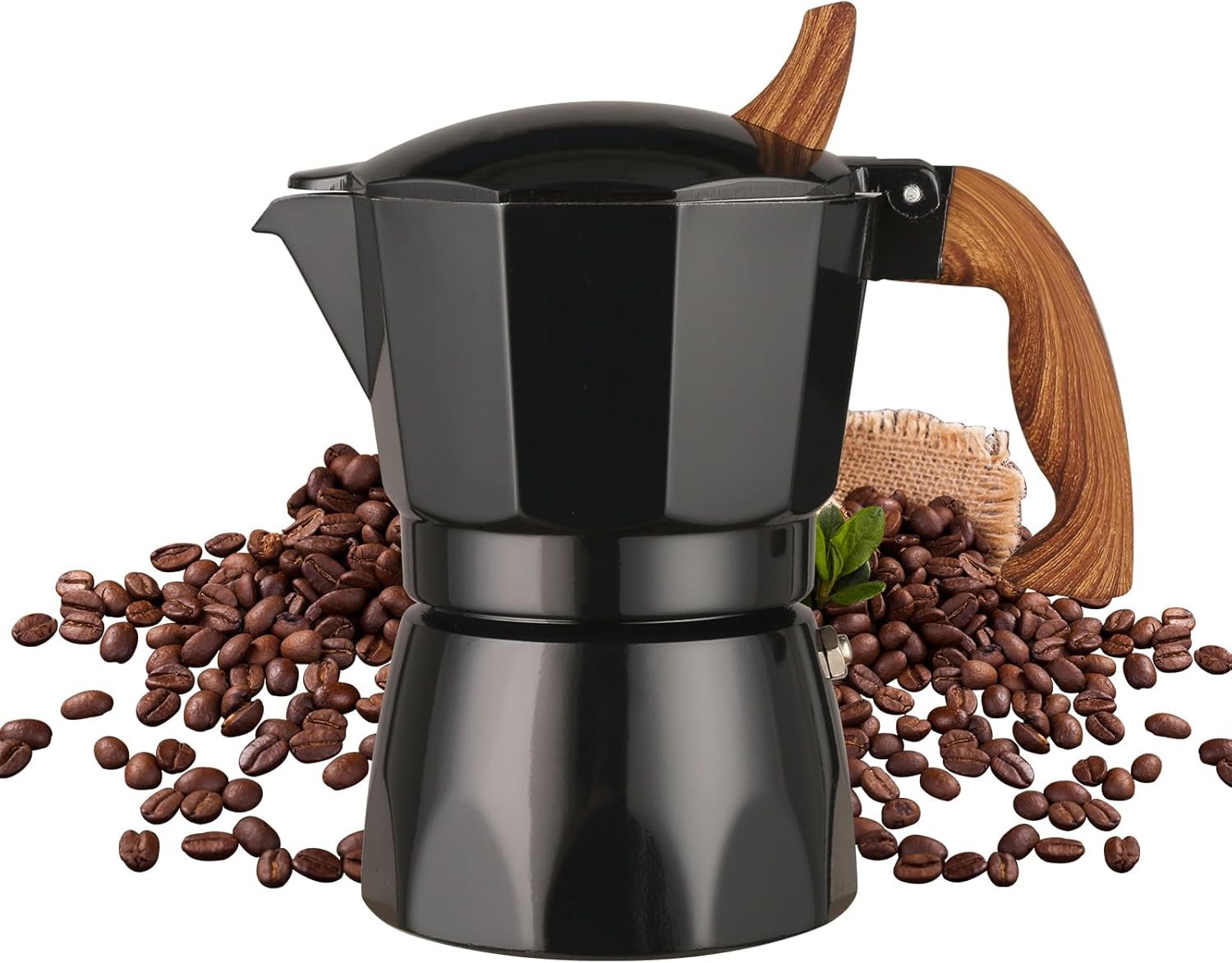
Why the Right Stovetop Brewer Matters
Choosing the correct stovetop brewer influences daily ritual, extraction control, and long-term satisfaction for home and outdoor brewers alike. Compact manual brewers like the Warmthmaster 3-cup Moka pot prioritize portability, simplicity, and the concentrated extraction style associated with stovetop espresso methods. For households, campers, and small-group scenarios, equipment selection determines workflow complexity, required grind consistency, and safety considerations on different heat sources. Materials and construction—aluminum body, safety valve, and cool-touch handle—shape heat transfer, cleanup routines, and durability. Evaluating a stovetop Moka across brewing compatibility, heat stability, extraction behavior, capacity, and maintenance helps match product features to user priorities such as quick morning routine, off-grid brewing, or serving multiple small cups. This review synthesizes manufacturer specifications, common user feedback themes, and brewing science to present an evidence-based appraisal suited for buyers weighing portability against refinement in extraction and upkeep.
Quick Overview
| Feature | Details |
|---|---|
| Product category | Stovetop Moka pot (stovetop espresso-style brewer) |
| Capacity / output | 3-cup output; approximately 5 ounces total brewed volume |
| Materials & construction | Lightweight cast aluminum body with painted exterior; plastic cool-touch handle |
| Heating / pressure system | Direct-heat boiler (stovetop); pressure generated by boiling water / steam (no pump) |
| Grind compatibility | Medium-fine to fine ground coffee suitable for Moka-style extraction |
| Best suited users | Campers, small households, manual-brewing enthusiasts, compact-kitchen users |
| Intended use cases | Home stovetop, gas range, electric coil, and propane camping stoves |
| Cleaning & care | Hand wash only; not dishwasher safe; avoid soap to preserve seasoning and paint |
| Safety & features | Built-in safety pressure relief valve; anti-scald handle; manual operation |
| Warranty | Manufacturer warranty not specified in public listing |
The table highlights attributes that directly affect brewing results and user experience: aluminum construction yields fast heat response but limited induction compatibility; the built-in safety valve and cool-touch handle address common stovetop risks; a 3-cup, roughly 5-ounce yield suits single-serve or shared small servings; and hand-wash care preserves finish and flavor stability while influencing maintenance time.

Brewing method compatibility and grind requirements
The Warmthmaster 3-cup Moka pot operates on classic percolation and pressure principles inherent to stovetop moka brewers: boiling water in the lower chamber forces water through a packed coffee basket to the upper collection chamber. Compatibility with gas, electric coil, and propane camping stoves makes it adaptable for on- and off-grid use, but aluminum construction limits use on induction cooktops without a compatible adaptor. Grind size and particle distribution are crucial for predictable extraction; too coarse yields thin, under-extracted coffee, while too fine or tamped can raise pressure and risk gurgling or channelling. The product is specified for ground coffee input; using a consistent medium-fine grind tailored for moka-style extraction helps balance flow rate and soluble extraction for fuller body and concentrated flavor.
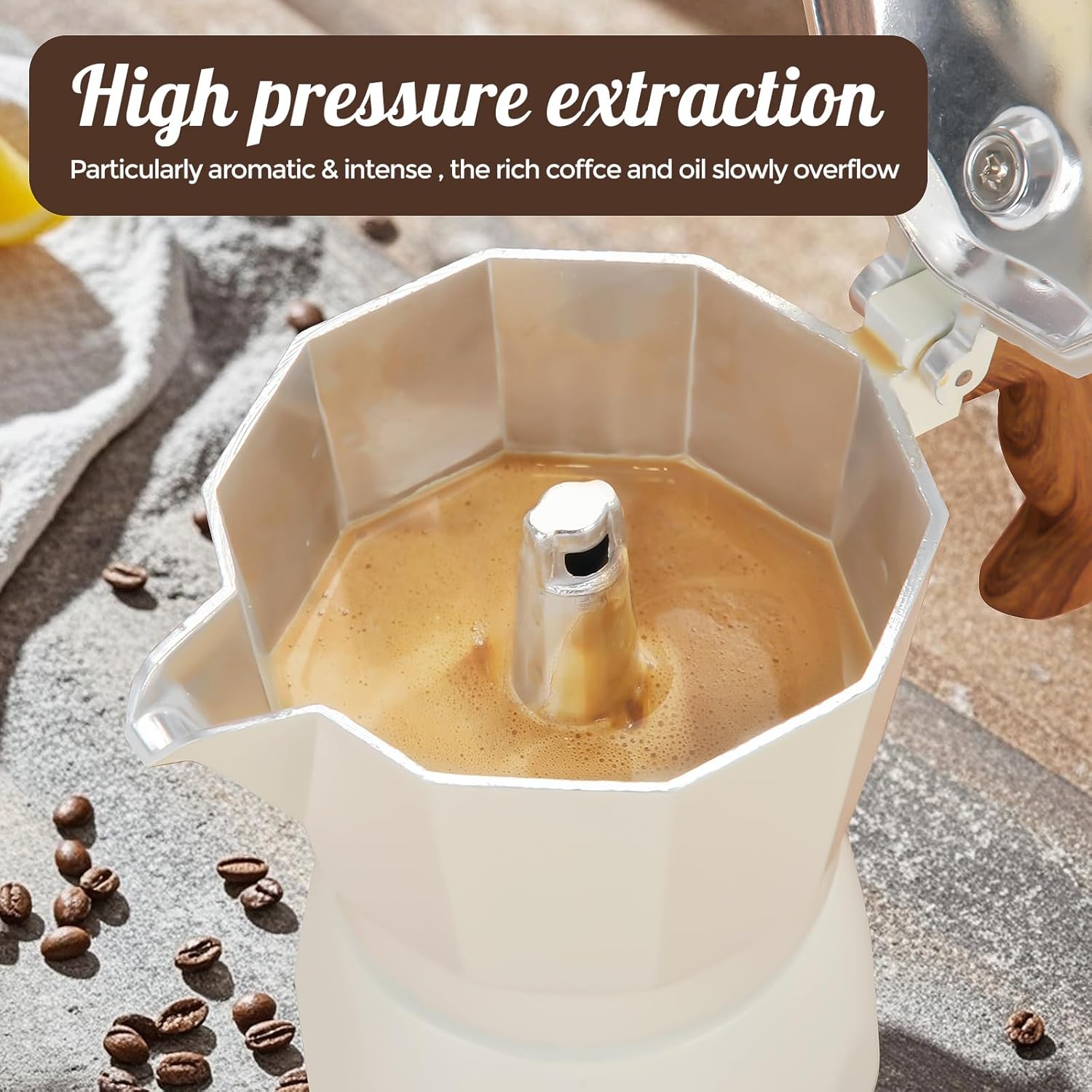
Stove type adaptability and outdoor use
The Warmthmaster design is stated to be compatible with gas, electric, and propane camping burners, which is typical for aluminum-bodied Moka pots due to their rapid heat response and low mass. On gas and propane, the open flame efficiently delivers energy to the thin aluminum walls, producing a faster brew cycle; on electric coil burners, heat-up is slightly slower but still effective. Induction cooktops require a ferromagnetic interface because aluminum is non-magnetic; a separate induction disk or adapter plate is necessary for safe and effective induction use. For camping, the lightweight 13.1-ounce item weight supports portability, and the cool-touch handle reduces burn risk during handling on primitive stoves.
Grind consistency, basket fit, and filter considerations
Moka brewing relies on a small filter basket and pressurized flow; grind must be finer than drip but coarser than espresso to maintain steady extraction without excessive pressure. A uniform medium-fine grind reduces channeling and uneven percolation, improving soluble extraction and cup body. Overly fine grinds or tamping should be avoided because they restrict flow and may increase pressure against the valve safety margin. The included basket is sized for the 3-cup model; using the correct dose and avoiding overfilling are important to prevent spillage or gurgling. For users seeking systematic adjustments, consistent grinder settings and measured doses yield the most repeatable Moka results.
Ease of use, workflow complexity, and safety features
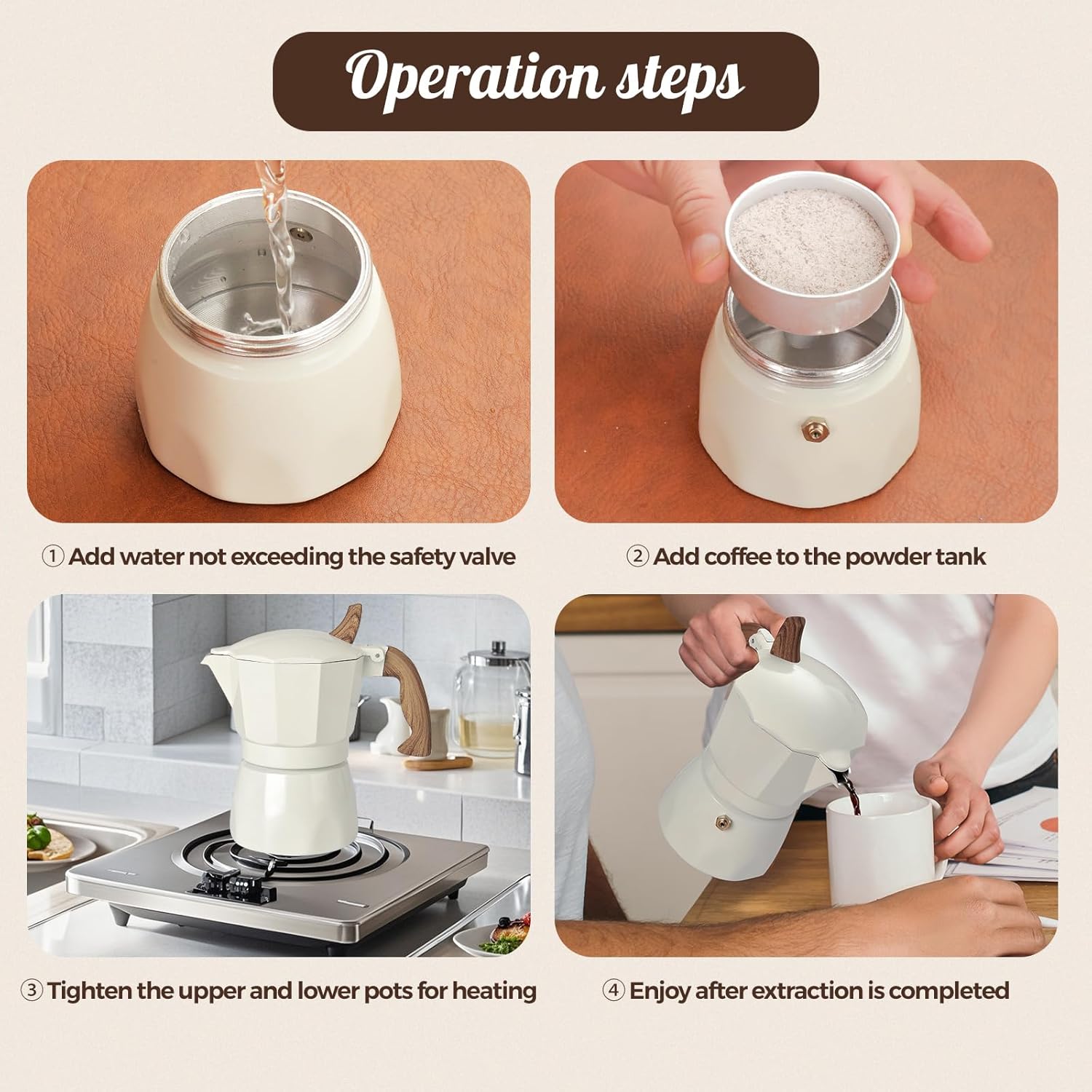
Operation of the Warmthmaster Moka pot follows a straightforward three-part workflow—fill the lower boiler chamber with water to just below the valve, add medium-fine ground coffee to the basket without tamping, and heat until brewed liquid collects in the upper chamber—making it manually simple but technique-sensitive. Workflow complexity remains low for routine users, yet achieving consistent results requires attention to water temperature at start, heat level control, and timely removal from heat to avoid over-extraction or overheating. Safety features described in product materials include a pressure relief valve and a cool-touch handle for anti-scald protection; these elements address typical stovetop risks and support safer handling during and after the brew cycle. The manual operation model does not include automation or programmable settings, placing emphasis on user technique.

Step-by-step workflow and time considerations
A typical Moka brew with this 3-cup model uses pre-warmed or cold water depending on desired control: starting with preheated water shortens the boil phase and reduces metal heating time, while cold starts are simpler but slightly longer. Heat should be moderate—medium to medium-high—so the extraction progresses steadily without a violent boil; the visible gurgle and a change in pitch of the spouting signal brew completion. Overall brew time for a small 3-cup moka typically ranges from 3 to 6 minutes after placement on heat, influenced by stove power and initial water temperature. Timely removal and cooling prevent metallic overheating and reduce burnt flavors associated with residual heat.
Safety valve, handle ergonomics, and operational risks
A factory-installed safety pressure relief valve is a standard safety feature for Moka pots and is cited in the product details; it prevents dangerous pressure buildup by venting excess steam if flow is obstructed. The cool-touch plastic handle is positioned for leverage and to reduce scald risk when pouring, though handle materials are sensitive to direct flame exposure and high heat over time. Careful assembly, avoiding overfilling the coffee basket, and regular inspection of the valve and gasket are recommended maintenance steps to mitigate operational risks. The item is not dishwasher safe, and repeated high-heat exposure combined with abrasion can accelerate wear of painted coatings and gaskets.
Temperature control, heat stability, and thermal behavior
Aluminum-bodied Moka pots like this model exhibit rapid heat transfer and low thermal mass, which enables fast heat-up and short brew cycles but also offers less thermal inertia compared with heavier stainless steel units. Rapid thermal response favors portability and quick brewing but demands active heat management to maintain desirable extraction temperatures and to avoid overheating the coffee or the upper chamber. The design relies on stovetop temperature control—reducing heat as the brew completes helps prevent a scorched or bitter finish. Heat retention after brewing is moderate; aluminum cools faster than heavier materials, so immediate serving preserves optimal cup temperature while prolonged holding will reduce heat and change perceived body.

Heat transfer in aluminum and implications for extraction
Aluminum transfers heat quickly and spreads energy across the boiler wall efficiently, enabling a briefer interval between heating and extraction compared with thicker-walled vessels. Faster heating shortens the exposure time of ground coffee to elevated temperatures before percolation finishes, which can reduce prolonged over-extraction but also increases sensitivity to initial water temperature and grind. Because the Moka relies on pressurized flow from boiling, maintaining a stable, moderate heat setting is critical: too high a flame causes a rapid, turbulent flow that can emulsify oils unevenly and deliver a harsher cup; too low can under-pressurize and produce weak extraction. Users must modulate stove output to balance flow rate and soluble extraction.
Safety valve and cool-touch handle roles in thermal workflows
The pressure relief valve provides a mechanical safeguard if the flow path becomes blocked or if grind and dosing cause excessive backpressure; it vents rather than allowing the lower chamber to become a sealed pressure vessel. The cool-touch handle offers ergonomic control during removal and pouring, reducing direct contact with heated metal surfaces. Both components influence handling protocols: the valve requires periodic visual inspection and cleaning to ensure unobstructed operation, while the handle design reduces the need for oven mitts but does not eliminate the need for caution around hot steam and metal surfaces. Paint and gasket longevity can be affected by recurrent high-heat cycles and aggressive cleaning.
Brew consistency, extraction quality, and serving flexibility
Extraction in Moka pots is governed by grind size, dose, water temperature, and flow control achieved through stove modulation; consistent grind and measured dosing are the most reliable levers for reproducible results. The 3-cup output and relatively small filter basket create short contact times and concentrated cups with fuller body and increased soluble solids compared with drip methods, though not pressurized to espresso machine levels. Serving flexibility is moderate: the 5-ounce total yield is best for single drink or sharing two small demitasse-style servings, limiting larger-group use unless multiple cycles are acceptable. Reproducible flavor and body depend on consistent grinder performance and careful control of heat during the main percolation phase.
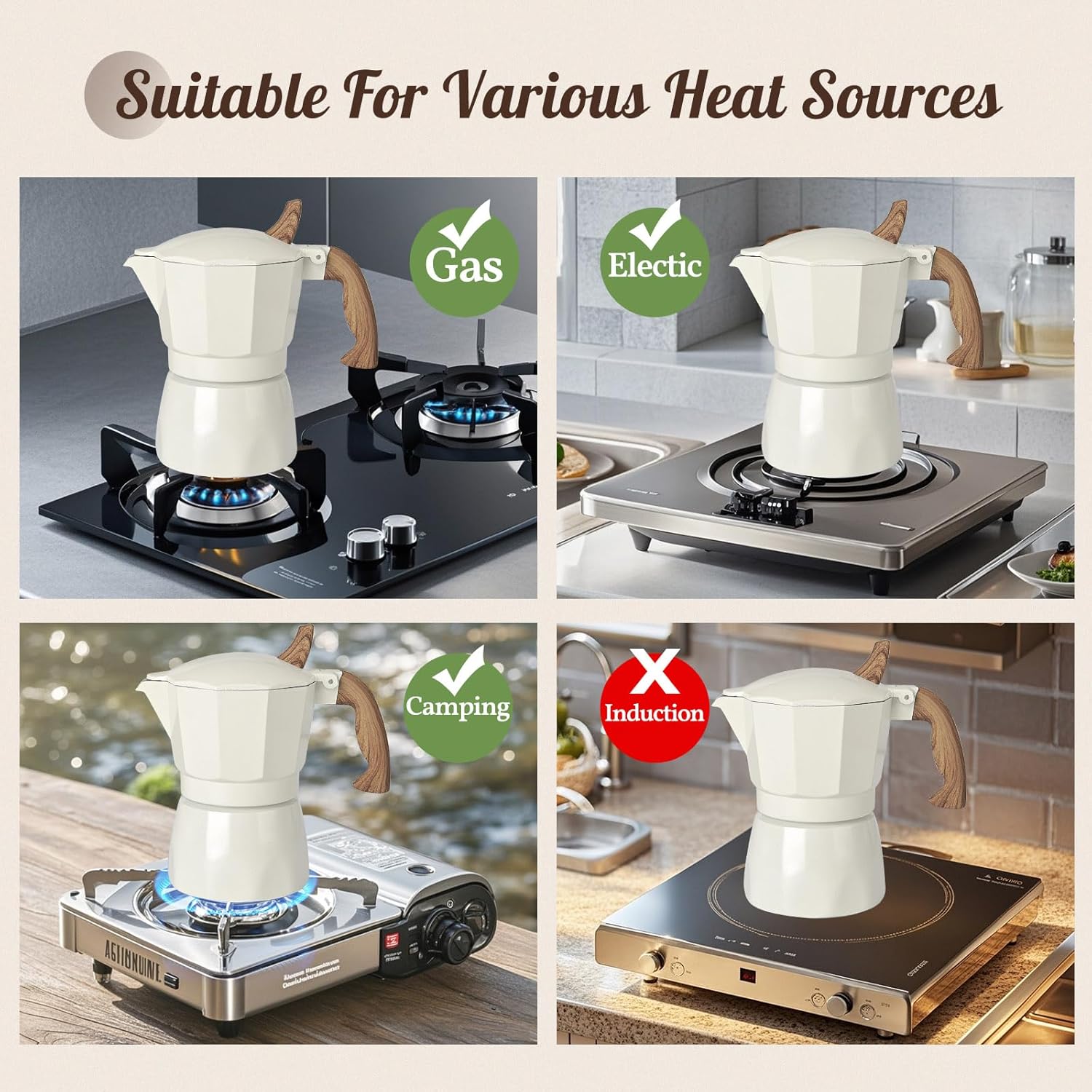
Extraction variables: grind, dose, and brew ratio
Typical Moka brew ratios vary, but for a 3-cup 5-ounce yield, starting points often center around 1:7 to 1:10 (coffee to finished liquid) depending on roast and desired strength; this yields concentrated cups with robust body. Grind consistency influences flow: a uniform medium-fine grind supports even percolation and reduces channeling. Dosing to the basket rim without tamping prevents excessive resistance while providing sufficient bed depth for extraction. Adjustments to grind or dose alter total dissolved solids and sensory profile; coarsening can reduce bitterness and pressure, while slightly finer grinds increase concentration but risk flow restriction and elevated pressure against the valve.
Capacity constraints and serving strategies
The 3-cup capacity produces about 5 ounces of brewed coffee, suited to one large or two small servings. For households requiring more cups, repeated brewing cycles or using a larger Moka model are practical workarounds but add time and handling. The compact size benefits portability for camping or small kitchens and lowers water and coffee consumption per brew. Because the upper chamber holds concentrated coffee, immediate decanting into pre-warmed cups helps maintain temperature and preserves the brightest flavors; leaving coffee in the upper chamber on the hot base can accelerate flavor changes and cooling due to aluminum’s low heat retention.
Cleaning, maintenance, durability, and who should avoid this Moka pot
The product specification states hand washing only and advises against dishwashers and detergents to protect finish and internal seasoning—standard guidance for aluminum Moka pots. Regular disassembly for rinsing, periodic gasket inspection, and valve checks preserve safety and extraction consistency. The painted exterior offers aesthetic durability but can show wear with abrasive cleaning or prolonged outdoor exposure. Aluminum is prone to oxidization over long periods; avoiding acidic cleaning agents and ensuring complete drying reduces corrosion risk. Buyers seeking induction compatibility, automated temperature control, or espresso-level pressure should consider alternatives; likewise, those preferring dishwasher-clean convenience should avoid aluminum Moka pots.

Cleaning routine and maintenance expectations
Cleaning protocols are simple but regular: separate chambers, rinse the coffee basket and upper chamber with hot water, and avoid soap to maintain coffee oils and seasoning. The safety valve must remain unobstructed—occasional inspection and gentle rinsing are advisable to ensure proper venting. Gasket and filter plate longevity vary with frequency of use; replacing the rubber gasket periodically restores seal integrity and reduces the risk of leaks or pressure loss. Because the product is not dishwasher safe, maintenance requires a modest time investment after each brew to avoid stale oils or residue buildup.
Durability notes, paint finish, and exclusions
A lightweight aluminum body balances portability with moderate longevity; compared with heavier stainless steel, aluminum is more susceptible to dents, scratches, and coating wear over years of use. The painted exterior described in the product details is reported to be fade-resistant, but painted surfaces can be compromised by abrasive scrubbing or prolonged direct flame contact. The cool-touch handle and plastic components are practical for safety but may degrade under continuous exposure to very high heat or open flames. Users who rely on induction cooktops, automated brewing, or frequent dishwasher cleaning should consider alternative materials or models better suited to those needs.
Pros & Cons
Pros
- Lightweight and portable construction supports camping and small-kitchen use: The 13.1-ounce aluminum body reduces pack weight and fits compact gear setups, making it practical for outdoor brewing and limited-countertop spaces.
- Classic Moka extraction yields concentrated, full-bodied cups: The percolation and steam-driven pressure create a robust cup profile favored by stovetop espresso enthusiasts seeking intensity without an espresso machine.
- Broad stovetop compatibility for gas, electric coil, and propane: The product’s design specifies use on these heat sources, offering versatility across home and outdoor scenarios; induction requires an adapter due to aluminum construction.
- Safety features reduce operational risk: A built-in pressure relief valve and a cool-touch handle mitigate common safety concerns associated with stovetop pressurized brewing.
- Compact 3-cup capacity suits single users and small servings: The roughly 5-ounce output is efficient for individuals or sharing between two people without excessive waste.
- Simple manual workflow with minimal parts: The traditional three-piece Moka design supports straightforward assembly, dosing, and brewing without electronic components.
Cons
- Limited capacity for larger households or entertaining: The 3-cup output is small for groups, requiring repeated cycles to serve multiple people and adding time and handling.
- Not dishwasher safe and requires hand-wash care: Manufacturer guidance to avoid dishwashers and detergents increases routine maintenance time and care considerations.
- Aluminum construction is not induction-compatible without an adapter: Users with magnetic induction ranges must invest in an induction disk to use this pot safely and effectively.
- Painted exterior and plastic handle may show wear over time: Repeated exposure to direct flame, abrasive cleaning, or outdoor conditions can degrade finish and plastic components relative to stainless alternatives.
- Manual brewing demands technique for consistent extraction: Achieving repeatable cup quality depends on grind consistency, heat management, and dosing precision, which may be less convenient for users seeking automated consistency.
Final Verdict: Who This Product Is Best For (and Who Should Skip It)
The Warmthmaster 3-cup Moka pot suits buyers prioritizing portability, simplicity, and a concentrated stovetop extraction profile. Ideal users include campers, small-household brewers, and manual-brewing enthusiasts who value a compact, low-mass brewer that produces concentrated, full-bodied coffee without the footprint of an espresso machine. The product’s compatibility with gas, electric coil, and propane stoves—combined with a cool-touch handle and safety valve—makes it practical for outdoor use and quick morning routines, provided users accept hand-wash maintenance and manual technique requirements.
This model is less appropriate for households needing larger batch brewing, users who rely on induction cooktops without an adapter, or those seeking dishwasher-safe convenience and automated temperature control. Buyers seeking espresso-pressure extraction, precise temperature PID control, or high-volume serving should consider pump-driven machines or larger-capacity brewers instead. In 2026, this Warmthmaster model remains a viable compact stovetop choice for those who prefer hands-on brewing, fast heat response, and portability over automation and high-capacity performance.
Frequently Asked Questions (FAQs)
Can this Moka pot be used on an induction cooktop?
Aluminum is not magnetic, so the Warmthmaster aluminum Moka pot will not heat directly on induction cooktops. Use of a separate induction adapter plate (ferromagnetic disk) is required to transfer heat safely and evenly on induction ranges. Using an adapter changes heat-up dynamics and may lengthen brew time, so heat control adjustments are necessary to maintain consistent extraction.
What grind size works best for a 3-cup Moka pot?
A medium-fine grind—finer than drip but coarser than espresso—tends to deliver the most reliable flow and extraction in a Moka pot. Consistent particle size reduces channeling and uneven percolation; avoid tamping the grounds, and dose to the basket rim without compacting to prevent excessive backpressure or gurgling during the brew.
How should the Moka pot be cleaned to preserve flavor and finish?
Manufacturer guidance for aluminum Moka pots typically recommends hand washing only, rinsing with hot water and avoiding dishwashers or detergents to protect the paint finish and internal seasoning. Regular rinsing of the basket and upper chamber after each use, periodic drying to prevent oxidation, and inspection of the valve and gasket maintain safety and cup quality.
Is the built-in safety valve sufficient to prevent pressure hazards?
A factory-installed pressure relief valve is a standard safety feature on Moka pots and prevents excessive pressure buildup if flow is obstructed. Routine maintenance—ensuring the valve is unobstructed, avoiding overfilling, and replacing worn gaskets—helps keep the mechanism effective. The valve mitigates risk but does not eliminate the need for correct assembly and careful operation.
How many servings does a 3-cup Moka pot produce?
The Warmthmaster 3-cup model produces approximately 5 ounces of brewed coffee, which is suitable for one large serving or two small demitasse-style servings. For larger groups, multiple brewing cycles or a larger-capacity Moka pot are practical options, though they increase total preparation time and handling.
Will the painted exterior fade or chip with outdoor use?
Painted finishes are generally designed for aesthetic durability, but repeated exposure to abrasive cleaning, direct open flames, or high-impact outdoor conditions can accelerate wear. Careful handling, avoiding abrasive scrubbing, and preventing prolonged direct flame contact will extend the appearance and protective qualities of the painted coating.
Can this Moka pot produce espresso-level pressure and crema?
Stovetop Moka pots generate pressurized flow from boiling water but do not reach the high pump pressures of espresso machines (typically 9 bars). The result is a concentrated, full-bodied cup with more body than drip coffee but without the sustained high-pressure extraction and stable crema characteristic of true espresso. Expectations should align with Moka-style flavor profiles rather than machine espresso.