Bialetti Moka Cafe 3 Cup Stovetop Espresso Maker Review: A Classic for Home Brewing
The Importance of Choosing the Right Coffee Equipment
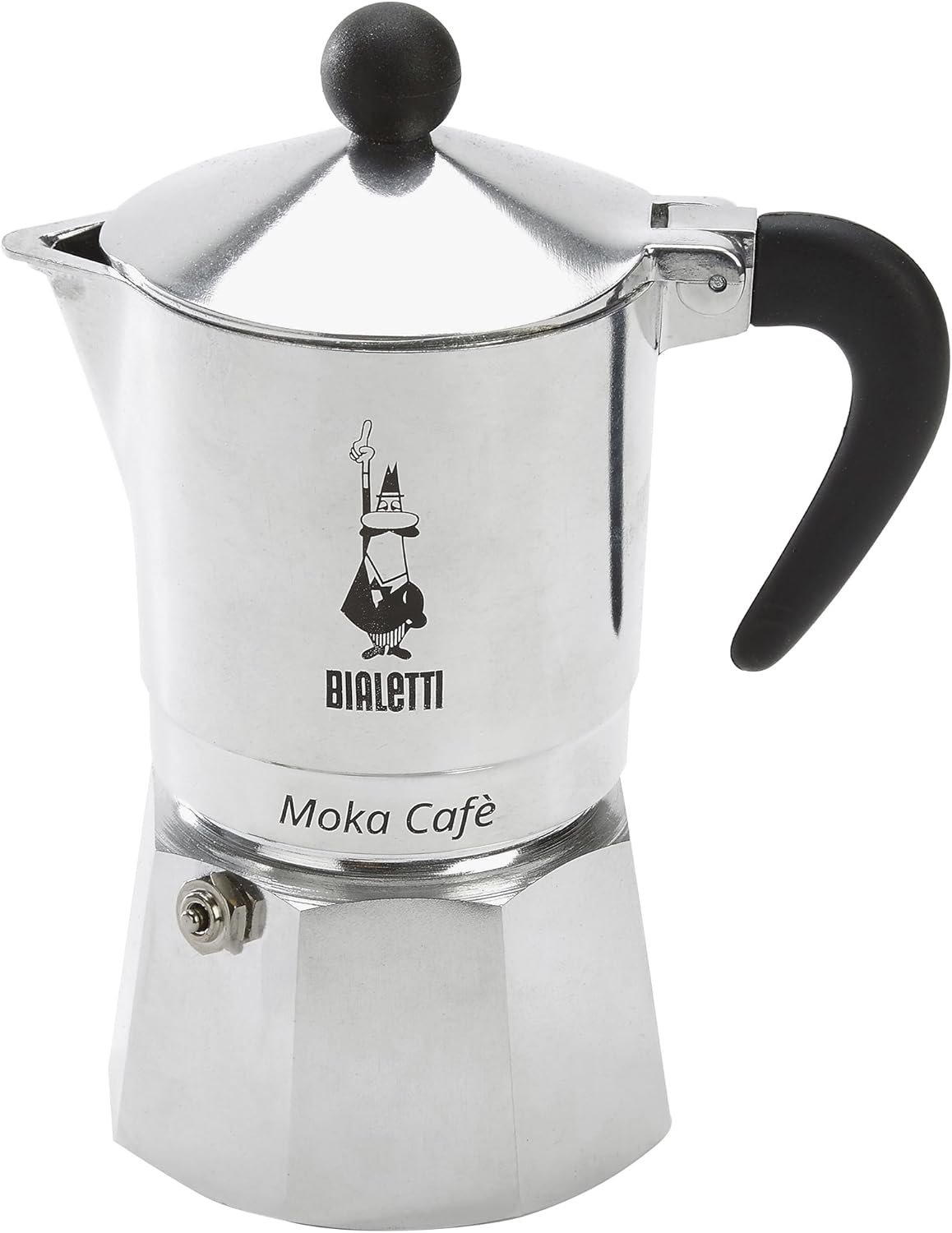
Selecting the appropriate coffee or tea equipment is a critical decision for anyone looking to consistently produce high-quality brews. For home brewers, enthusiasts, and households seeking convenience, the right appliance can significantly impact the flavor, aroma, and overall experience of their coffee or tea. A stovetop espresso maker like the Bialetti Moka Cafe 3 Cup offers a unique blend of tradition and simplicity, catering to users who value authenticity in their brewing process. This product is particularly appealing to those who appreciate the rich, concentrated flavors of espresso without the need for complex machinery. Its manual operation and reliance on heat from a stove or burner make it an accessible option for beginners and seasoned baristas alike. Understanding the key factors that influence brewing outcomes—such as temperature control, grind consistency, and heat retention—is essential for making an informed choice. This review will explore how the Bialetti Moka Cafe 3 Cup aligns with these principles, offering insights into its performance, usability, and suitability for different brewing scenarios.
Quick Overview
| Feature | Details |
|---|---|
| Product Category | Stovetop Espresso Maker |
| Brewing Method | Manual pressure-based extraction |
| Capacity | 3 cups (2 oz per cup) |
| Materials | Polished aluminum body, stainless steel components |
| Heating System | Direct stove or burner heat |
| Grind Compatibility | Fine ground coffee only |
| Intended Use | Espresso and strong coffee preparation |
| Best Suited For | Home brewers, coffee enthusiasts, and casual users |
| Intended Use Cases | Morning coffee, espresso shots, and small gatherings |
| Cleaning Requirements | Hand washing with warm water only |
The Bialetti Moka Cafe 3 Cup combines traditional craftsmanship with modern design, offering a compact yet functional solution for those who prioritize simplicity and reliability. Its polished aluminum finish and stainless steel components ensure durability, while the manual operation allows for precise control over the brewing process. The product’s capacity of three 2-ounce cups makes it ideal for small households or individuals who prefer a concentrated coffee experience. However, its reliance on external heat sources means users must be mindful of temperature consistency to achieve optimal extraction. The absence of a dishwasher-safe feature and the need for meticulous cleaning further define its usability profile, making it a practical choice for those who value ease of maintenance.

Brewing Method Compatibility and Traditional Techniques
The Bialetti Moka Cafe 3 Cup adheres to the classic principles of stovetop espresso brewing, which relies on direct heat application to generate pressure and extract flavor from ground coffee. This method is well-suited for users who appreciate the traditional approach to coffee preparation, as it mimics the pressure dynamics of a manual espresso machine without the need for electrical components. The design of the Moka pot ensures that water is heated and forced through the coffee grounds at a controlled rate, producing a rich and aromatic brew. However, the effectiveness of this method depends on the user’s ability to manage the heat source and monitor the brewing process. For those unfamiliar with stovetop espresso techniques, the learning curve may be steep, as precise temperature control and timing are essential to avoid over-extraction or under-extraction. The product’s compatibility with both gas and electric hobs provides flexibility, but users must be aware that uneven heat distribution can affect the consistency of the final product.

Heat Source and Temperature Stability
The Moka Cafe 3 Cup’s reliance on external heat sources means that temperature stability is a critical factor in achieving consistent results. The polished aluminum body conducts heat efficiently, allowing for rapid water heating, but this also means that temperature fluctuations can occur if the heat source is not properly regulated. Users must maintain a steady flame or adjust the burner to ensure that the water reaches and maintains the optimal brewing temperature range of 195–205°F (90–96°C). Variations in temperature can significantly impact extraction, leading to either under-extracted, weak coffee or over-extracted, bitter brews. The absence of a built-in temperature control mechanism requires users to rely on their judgment and experience to fine-tune the brewing process. While this manual approach offers a sense of control, it may be challenging for beginners who are not familiar with the nuances of heat management in stovetop brewing.
Pressure Dynamics and Extraction Quality
The Moka Cafe 3 Cup’s pressure-based extraction method is a defining characteristic of its performance. As water heats up, it generates steam pressure that forces the liquid through the coffee grounds, creating a concentrated espresso-like brew. The design of the pot ensures that this pressure is evenly distributed, allowing for a balanced extraction of flavors and oils. However, the effectiveness of this process is contingent on the user’s ability to manage the heat source and monitor the brewing time. Overheating or prolonged exposure to high temperatures can lead to over-extraction, resulting in a bitter or burnt taste. Conversely, insufficient heat may result in under-extraction, producing a weak and underdeveloped cup. The product’s capacity of three 2-ounce cups means that the brewing time is relatively short, which can be advantageous for users who prefer a quick preparation method. However, this also means that the user must be vigilant in monitoring the process to avoid overcooking the coffee.
Ease of Use and Workflow Complexity
The Bialetti Moka Cafe 3 Cup is designed with simplicity in mind, offering a straightforward workflow that minimizes the need for complex adjustments. Its manual operation and lack of electronic components make it an intuitive choice for users who prefer a hands-on approach to brewing. The process involves filling the water chamber, adding ground coffee to the filter basket, and placing the pot on a heat source. Once the water reaches the appropriate temperature, the coffee is forced through the grounds, resulting in a rich and aromatic brew. This simplicity, however, comes with a trade-off in terms of precision. Unlike modern espresso machines, the Moka Cafe does not allow for fine-tuning of pressure or temperature, which can be a limitation for users seeking greater control over their brew. The product’s ease of use makes it ideal for beginners, but it may not satisfy the advanced needs of baristas who require more nuanced adjustments. The absence of a built-in timer or temperature gauge further emphasizes the reliance on user judgment to achieve consistent results.

Cleaning and Maintenance Expectations
Cleaning the Bialetti Moka Cafe 3 Cup is a straightforward process, but it requires careful attention to detail to maintain its longevity and performance. The manufacturer recommends hand washing the product with warm water after each use, ensuring that all components are thoroughly dried to prevent oxidation. The polished aluminum body and stainless steel parts are resistant to corrosion, but improper cleaning or exposure to harsh chemicals can compromise their integrity. Users must avoid using soap or detergents, as these can leave residues that affect the taste of future brews. The absence of a dishwasher-safe feature means that the cleaning process is more time-consuming, but it also ensures that the product remains in optimal condition over time. Regular maintenance, such as inspecting for wear and tear on the filter basket and sealing ring, is essential to prevent leaks and ensure consistent performance. While the cleaning requirements may be a drawback for some users, the product’s durability and ease of maintenance make it a practical choice for those who prioritize long-term reliability.
Capacity and Serving Flexibility
The Bialetti Moka Cafe 3 Cup’s capacity of three 2-ounce cups makes it a versatile option for a variety of serving scenarios. Whether it’s for a single cup of strong coffee or a small batch for a couple, the product provides the necessary volume to meet different needs without excess. This capacity is particularly advantageous for users who prefer a concentrated brew, as it allows for a more intense flavor profile compared to larger brewing methods. However, the limited capacity may be a drawback for households or individuals who require a higher volume of coffee. The product’s design is well-suited for morning routines or quick preparations, but it may not be ideal for those who need to brew for multiple people at once. The serving flexibility of the Moka Cafe is further enhanced by its compact size, which makes it easy to store and handle. This makes it an excellent choice for users who value portability and space efficiency in their kitchen.

Durability and Long-Term Reliability
The Bialetti Moka Cafe 3 Cup is constructed from high-quality materials that contribute to its durability and long-term reliability. The polished aluminum body and stainless steel components are designed to withstand repeated use without significant wear or corrosion. This construction ensures that the product remains functional and aesthetically pleasing over time, even with regular handling. The absence of electronic components reduces the risk of mechanical failure, making it a reliable choice for users who prioritize simplicity and longevity. However, the product’s reliance on manual operation means that users must be mindful of proper maintenance to prevent issues such as leaks or oxidation. The manufacturer’s instructions emphasize the importance of thorough drying after each use, which helps to preserve the integrity of the materials. While the product is built to last, its manual nature may not appeal to users who prefer more advanced features or automated functions. Overall, the Moka Cafe’s durability and reliability make it a solid investment for those who value a timeless design and consistent performance.


Pros & Cons
Pros
- Classic Design: The Moka Cafe’s timeless aesthetic and polished aluminum finish make it a visually appealing addition to any kitchen, blending functionality with style.
- Simple Operation: Its manual process requires minimal setup, making it accessible for beginners and those who prefer a hands-on brewing experience.
- Durable Construction: The use of high-quality materials ensures long-term use without significant wear or degradation.
- Versatile Brewing: It can produce both espresso-style shots and strong coffee, offering flexibility in brewing methods.
- Compact Size: Its small footprint makes it ideal for storage in kitchens with limited space.
- No Electricity Required: The manual operation eliminates the need for power sources, making it a convenient option for various settings.
- Easy to Clean: Hand washing with warm water is sufficient, provided all components are thoroughly dried to avoid oxidation.
- Affordable Investment: Compared to electric espresso machines, the Moka Cafe offers a cost-effective solution for home brewing.
Cons
- Limited Capacity: The 3-cup capacity may not be sufficient for larger households or those requiring more coffee at once.
- Manual Temperature Control: Users must manage the heat source themselves, which can be challenging for achieving consistent results.
- No Built-in Timer or Gauge: The absence of a timer or temperature indicator requires reliance on user judgment, which may lead to variability in brewing outcomes.
- Cleaning Requirements: The need for meticulous hand washing and drying adds to the maintenance effort, which may be inconvenient for some users.
- Learning Curve: Beginners may find the process of managing heat and timing to be somewhat complex, requiring practice to master.
- Not Dishwasher Safe: The product cannot be cleaned in a dishwasher, which may be a drawback for users who prefer automated cleaning methods.
Final Verdict: Who This Product Is Best For (and Who Should Skip It)
The Bialetti Moka Cafe 3 Cup is an excellent choice for home brewers and coffee enthusiasts who value simplicity, tradition, and reliability in their brewing process. Its manual operation and classic design make it ideal for those who prefer a hands-on approach to coffee preparation, offering a sense of control and authenticity that modern machines may lack. The product’s durability and ease of maintenance ensure long-term use, making it a practical investment for users who prioritize functionality over advanced features. However, the Moka Cafe may not be the best fit for those who require a higher capacity, precise temperature control, or automated functions. Individuals who are looking for a more modern, electric-powered espresso machine or a device that allows for greater customization in brewing parameters may find the Moka Cafe to be limiting. Additionally, users who prefer the convenience of dishwasher-safe appliances or the ability to brew larger quantities may want to consider alternative options. Overall, the Bialetti Moka Cafe 3 Cup is best suited for those who appreciate the traditional method of stovetop brewing and are willing to invest time in mastering the process.
Frequently Asked Questions (FAQs)
Can the Bialetti Moka Cafe 3 Cup be used on both gas and electric stovetops?
Yes, the Moka Cafe is compatible with both gas and electric hobs, offering flexibility in heat source options. This versatility allows users to choose the most convenient method for their kitchen setup.
How does the Moka Cafe ensure consistent coffee extraction?
The Moka Cafe relies on direct heat application to generate pressure, forcing water through the coffee grounds. This method mimics the pressure dynamics of a manual espresso machine, ensuring a balanced extraction of flavors and oils.
Is the Bialetti Moka Cafe 3 Cup suitable for beginners?
The Moka Cafe is a great option for beginners due to its simple operation and straightforward brewing process. However, achieving optimal results may require some practice to manage heat and timing effectively.
What are the cleaning requirements for the Moka Cafe?
The Moka Cafe should be hand washed with warm water after each use. All parts must be thoroughly dried to prevent oxidation. Soap or detergents should be avoided to maintain the product’s integrity and flavor.
How does the capacity of the Moka Cafe affect its usability?
The 3-cup capacity is ideal for small households or individuals who prefer a concentrated coffee experience. However, it may not be suitable for larger groups or those needing a higher volume of coffee at once.
What are the advantages of using a stovetop espresso maker like the Moka Cafe?
Stovetop espresso makers like the Moka Cafe offer a traditional brewing method that produces rich, aromatic coffee without the need for electricity. They are also durable and easy to maintain, making them a practical choice for home use.
Can the Moka Cafe be used for making tea?
The Moka Cafe is specifically designed for coffee brewing and may not be suitable for making tea. Its pressure-based extraction method is optimized for coffee grounds, and using it for tea may result in an unsatisfactory brew.