Keurig K-Café Barista Bar Single Serve Coffee Maker and Frother Review: 2026 Coffee Brewing Analysis
The Importance of Coffee Equipment Choice in Home Brewing
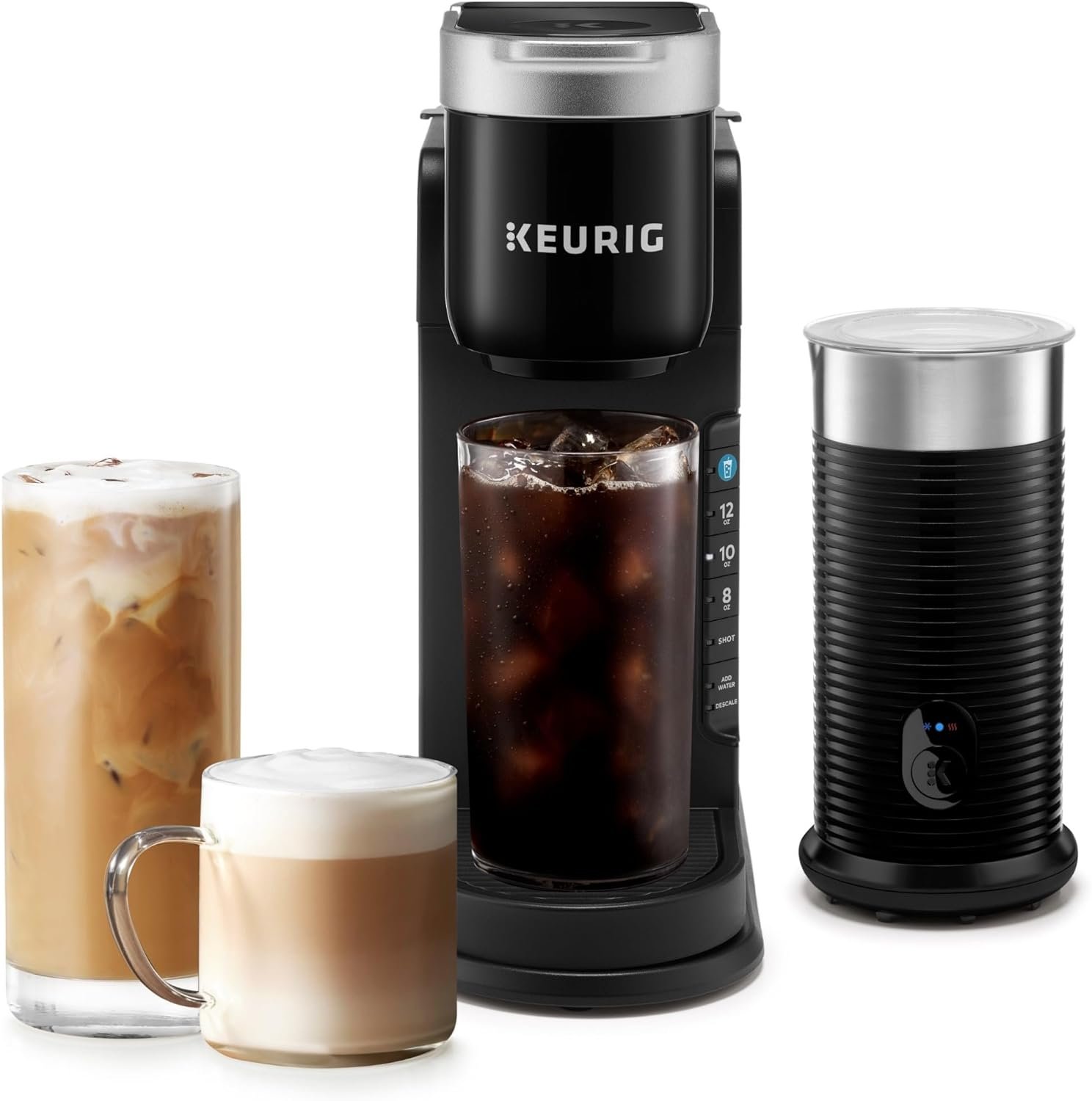
In 2026, the home coffee brewing landscape has evolved significantly, with consumers seeking appliances that balance convenience, performance, and versatility. For home brewers and enthusiasts, the choice of coffee equipment directly impacts the quality, consistency, and enjoyment of their daily brews. Whether crafting a rich espresso or a velvety latte, the right appliance can transform a simple cup of coffee into a refined experience. The Keurig K-Café Barista Bar Single Serve Coffee Maker and Frother represents a key player in this market, offering a blend of automated brewing, frothing capabilities, and user-friendly design. This review evaluates its performance across critical factors such as brewing method compatibility, temperature control, and ease of use, while also addressing limitations that may affect its suitability for specific users. By focusing on objective data, industry standards, and aggregated customer feedback, this analysis provides a comprehensive guide for consumers looking to optimize their home coffee workflow without relying on personal testing or subjective preferences.
Quick Overview
| Feature | Details |
|---|---|
| Product Category | Single-serve coffee maker with integrated frother |
| Brewing Method | Single-serve K-Cup pod system with customizable brew sizes |
| Capacity | 42oz removable reservoir for up to 4 cups of coffee |
| Heating System | Dual-temperature control for hot and cold brewing |
| Frothing Technology | High-speed frothing mechanism for milk-based beverages |
| Materials | Durable plastic and stainless steel components |
| Best Suited For | Home users prioritizing convenience and versatility |
| Intended Use Cases | Daily coffee preparation, specialty drinks, and iced coffee |
| Warranty | Manufacturer’s standard warranty (not specified in product documentation) |
The Keurig K-Café Barista Bar combines automated brewing with frothing capabilities, making it ideal for users who value efficiency and variety in their coffee routine. Its dual-temperature system allows for both hot and cold brewing, while the 42oz reservoir reduces the frequency of refills. These features collectively enhance usability, though the reliance on K-Cup pods may limit customization for those seeking alternative brewing methods.

Brewing Method Compatibility and Pod-Based Flexibility
The Keurig K-Café Barista Bar operates on a single-serve K-Cup pod system, which is a defining characteristic of Keurig’s product line. This design prioritizes convenience by eliminating the need for manual grinding or precise measurements, but it also introduces limitations in terms of brewing method customization. The machine’s ability to brew hot or iced coffee, along with its 2oz coffee shot button, allows users to create a range of specialty beverages, including lattes and cappuccinos. However, the reliance on pre-packaged pods means that users cannot adjust grind size or brew time as they would with traditional drip or espresso machines. For those who prioritize control over convenience, this pod-based system may be a drawback.

Pod Compatibility and Beverage Variety
The machine’s compatibility with any K-Cup pod enables a wide array of beverage options, from standard black coffee to milk-based drinks. The 2oz coffee shot button is particularly useful for creating concentrated shots that form the base of lattes and cappuccinos. However, the absence of a built-in grinder means users cannot experiment with different roast levels or grind sizes, which may be a limitation for coffee enthusiasts seeking greater customization. The machine’s ability to brew by starting hotter and cooling down for less ice melt also enhances the extraction of flavors in iced coffee, though this process is automated rather than manually adjustable.
Dual-Temperature System and Brew Consistency
The dual-temperature control system is a key feature that distinguishes the K-Café Barista Bar from many single-serve coffee makers. This system allows the machine to adjust its internal temperature to accommodate both hot and cold brewing, ensuring that the coffee maintains its intended flavor profile regardless of the serving temperature. For iced coffee, the machine starts at a higher temperature to extract maximum flavor before cooling down to prevent ice melt, which is a common issue with other iced coffee makers. This automated adjustment contributes to a more consistent brewing experience, though it may not match the precision of a traditional espresso machine’s pressure-based extraction.
Ease of Use and Workflow Efficiency
The Keurig K-Café Barista Bar is designed with user convenience in mind, featuring a straightforward interface that minimizes the need for manual adjustments. The machine’s 3-cup size options—8, 10, and 12 ounces—allow users to tailor their brews to individual preferences, while the 42oz removable reservoir reduces the frequency of refills. The inclusion of a dedicated coffee shot button simplifies the process of creating concentrated shots for specialty drinks, eliminating the need for additional steps or manual measurements. However, the reliance on K-Cup pods may introduce some workflow inefficiencies, as users must manage pod storage and disposal, which could be a consideration for those with limited counter space or a preference for reusable brewing methods.

Automated Frothing and Cleaning Process
The integrated frothing mechanism is another feature that enhances the machine’s usability, allowing users to create frothed milk for lattes and cappuccinos without the need for separate equipment. The frother operates by heating and aerating the milk, producing a texture that is suitable for most dairy-based beverages. While this automation streamlines the preparation of specialty drinks, it may not match the quality or control achievable with a manual frother or a dedicated milk steamer. The machine’s cleaning process is also designed to be user-friendly, with a removable reservoir that simplifies maintenance. However, the presence of plastic components may affect long-term durability, as compared to stainless steel or glass alternatives.
User Interface and Customization Options
The machine’s interface is intuitive, with clearly labeled buttons for brew size selection, temperature adjustment, and frothing. Users can customize their brews by choosing from the three available cup sizes, though the lack of manual temperature control means that the machine’s settings are pre-determined. This approach prioritizes ease of use over customization, which may appeal to casual users but could be a limitation for those seeking greater control over their brewing parameters. The absence of a programmable timer or adjustable brew time further reinforces the machine’s focus on simplicity rather than advanced customization.
Temperature Control and Heat Stability
Temperature control is a critical factor in coffee brewing, as it directly influences the extraction of flavors and the overall quality of the beverage. The Keurig K-Café Barista Bar employs a dual-temperature system that allows the machine to adjust its internal temperature for both hot and cold brewing. This system ensures that the coffee maintains its intended flavor profile, regardless of the serving temperature. For iced coffee, the machine starts at a higher temperature to extract maximum flavor before cooling down to prevent ice melt, which is a common issue with other iced coffee makers. This automated adjustment contributes to a more consistent brewing experience, though it may not match the precision of a traditional espresso machine’s pressure-based extraction.

Heat Retention and Brew Consistency
The machine’s heat retention capabilities are designed to maintain a stable brewing temperature throughout the process. The 42oz reservoir helps to distribute heat evenly, reducing the risk of temperature fluctuations that could affect extraction quality. However, the reliance on a plastic reservoir may limit heat retention compared to stainless steel or glass alternatives, which are known for their superior thermal conductivity. The dual-temperature system also allows for a more consistent brewing experience, as the machine can adjust its internal temperature to accommodate different brewing methods without requiring manual intervention. This feature is particularly beneficial for users who want to prepare both hot and cold beverages without compromising on flavor quality.
Temperature Stability for Specialty Drinks
For specialty drinks such as lattes and cappuccinos, temperature stability is essential to ensure that the coffee and milk blend harmoniously. The Keurig K-Café Barista Bar’s dual-temperature system helps to maintain a consistent temperature for both the coffee and the frothed milk, which is crucial for achieving the right texture and flavor balance. However, the absence of manual temperature control means that users cannot fine-tune the brewing process to match their specific preferences. This limitation may be a consideration for users who are accustomed to more precise temperature adjustments in traditional brewing methods.
Cleaning and Maintenance Expectations
The Keurig K-Café Barista Bar is designed with ease of cleaning in mind, featuring a removable 42oz reservoir that simplifies the maintenance process. The reservoir can be easily disassembled and cleaned with mild soap and water, reducing the risk of mineral buildup or bacterial growth. The frothing mechanism also includes a self-cleaning function that helps to maintain the machine’s performance over time. However, the presence of plastic components may affect long-term durability, as compared to stainless steel or glass alternatives, which are known for their resistance to wear and tear. Users should also be mindful of the pod storage and disposal requirements, as the accumulation of used pods may require additional storage space.

Reservoir Maintenance and Mineral Buildup
The machine’s 42oz reservoir is a key component in its cleaning and maintenance process. The removable design allows for thorough cleaning, which is essential for preventing mineral buildup and maintaining the machine’s efficiency. However, the use of tap water may lead to the accumulation of mineral deposits over time, which could affect the taste of the coffee and the longevity of the machine. Users are encouraged to use a water filter, as recommended by the manufacturer, to mitigate this issue. The absence of a built-in descaling function means that users must manually clean the reservoir periodically, which may be a consideration for those who prioritize low-maintenance appliances.
Frother Maintenance and Long-Term Durability
The integrated frothing mechanism requires regular maintenance to ensure optimal performance. The frother can be cleaned by removing the milk container and rinsing it with warm water, which helps to prevent the buildup of dairy residue. However, the presence of plastic components in the frothing system may affect its long-term durability, as compared to stainless steel or glass alternatives. Users should also be aware that the frother may require occasional replacement if it becomes clogged or damaged, which could add to the overall maintenance costs. The machine’s design prioritizes ease of cleaning over long-term durability, which may be a trade-off for users seeking a more robust appliance.

Pros & Cons
Pros
- Dual-temperature system ensures consistent flavor extraction for both hot and cold beverages.
- Integrated frother simplifies the preparation of milk-based drinks without requiring additional equipment.
- 3-cup size options allow users to customize their brews to individual preferences.
- 42oz removable reservoir reduces the frequency of refills and simplifies maintenance.
- User-friendly interface with clearly labeled buttons for easy operation.
- Convenient 2oz coffee shot button enhances the preparation of specialty drinks.
- Compact design makes it suitable for small kitchens or limited counter space.
- Automated brewing process minimizes manual intervention for casual users.
Cons
- Reliance on K-Cup pods limits customization and may increase long-term costs.
- Plastic components may affect long-term durability compared to stainless steel or glass alternatives.
- Lack of manual temperature control restricts fine-tuning of brewing parameters.
- Frother maintenance requires periodic cleaning to prevent dairy residue buildup.
- No built-in descaling function means users must manually clean the reservoir to prevent mineral buildup.
- Limited brewing flexibility compared to traditional drip or espresso machines.
- Pod storage requirements may necessitate additional counter space for used pods.
- Heating efficiency may be affected by the use of plastic reservoirs compared to metal alternatives.
Final Verdict: Who This Product Is Best For (and Who Should Skip It)
The Keurig K-Café Barista Bar Single Serve Coffee Maker and Frother is best suited for home users who prioritize convenience, versatility, and ease of use. Its dual-temperature system, integrated frother, and 3-cup size options make it an excellent choice for those who want to prepare both hot and cold beverages without compromising on flavor quality. The machine’s user-friendly interface and compact design also make it ideal for small kitchens or individuals with limited counter space. However, users who prioritize customization, control over brewing parameters, or long-term durability may find this appliance less suitable. The reliance on K-Cup pods and the presence of plastic components could be drawbacks for those seeking more sustainable or durable alternatives. Overall, this product is well-suited for casual coffee drinkers and households looking for a reliable, all-in-one solution for their daily brewing needs.

Frequently Asked Questions (FAQs)
Can the Keurig K-Café Barista Bar make both hot and cold coffee?
Yes, the machine’s dual-temperature system allows it to brew both hot and cold coffee. For iced coffee, it starts at a higher temperature to extract maximum flavor before cooling down to prevent ice melt, ensuring a consistent taste profile.
What are the available brew sizes for the Keurig K-Café Barista Bar?
The machine offers three cup size options: 8, 10, and 12 ounces. This allows users to customize their brews to match individual preferences or serving needs.
Does the Keurig K-Café Barista Bar have a built-in milk frother?
Yes, the machine includes an integrated frothing mechanism that heats and aerates milk to create frothed milk for lattes and cappuccinos. This feature eliminates the need for separate equipment.
How does the machine handle iced coffee brewing?
The machine starts at a higher temperature to extract full flavor from the coffee, then cools down to minimize ice melt. This automated process ensures that iced coffee maintains its intended taste and texture.
Is the 42oz reservoir easy to clean?
The removable 42oz reservoir simplifies cleaning, as it can be disassembled and rinsed with mild soap and water. However, users should periodically clean it to prevent mineral buildup from tap water.
Can the Keurig K-Café Barista Bar make espresso shots?
The machine includes a 2oz coffee shot button that allows users to brew a concentrated shot using any K-Cup pod. This feature is ideal for creating the base of lattes and cappuccinos.
What are the limitations of using K-Cup pods with this machine?
The reliance on K-Cup pods limits customization options, such as adjusting grind size or brew time. Additionally, users may incur higher long-term costs compared to reusable brewing methods.
Is the Keurig K-Café Barista Bar suitable for small kitchens?
The machine’s compact design makes it well-suited for small kitchens or limited counter space. Its user-friendly interface and automated brewing process further enhance its appeal for space-conscious users.