
The Importance of Choosing the Right Coffee Equipment
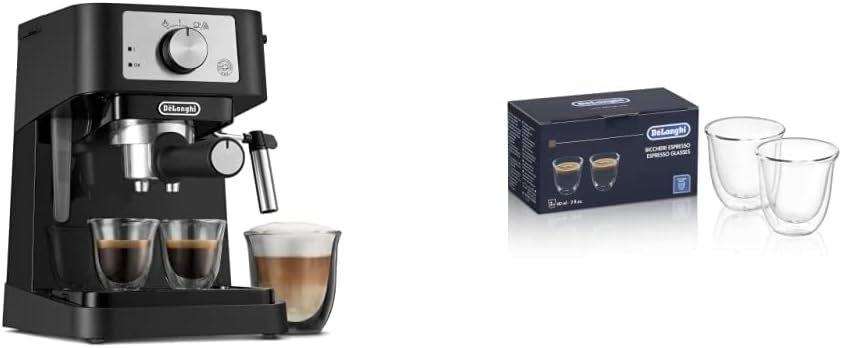
For home brewers and coffee enthusiasts, selecting the right coffee equipment is essential to achieving consistent, high-quality brews. Whether you’re crafting a rich single shot of espresso or a velvety cappuccino, the performance of your machine directly impacts the flavor, texture, and overall experience of your coffee. A well-designed espresso machine can replicate the precision of professional baristas, while poor equipment choices can lead to under-extracted, over-extracted, or inconsistent results. This review focuses on the De’Longhi Manual Espresso Machine with 15 Bar Pump, Milk Frother, and 2 Thermo Espresso Glasses, a product tailored for home users seeking to elevate their espresso-making capabilities. The machine’s combination of manual operation, durable construction, and integrated milk frother makes it a compelling choice for those who value control, simplicity, and the ability to create a variety of espresso-based drinks. By evaluating its brewing technology, design principles, and user experience, this review provides a data-driven assessment of its suitability for different coffee preferences and kitchen environments.
Quick Overview
| Feature | Details |
|---|---|
| Product Category | Espresso Machine with Integrated Milk Frother |
| Capacity | 1.2 Liters |
| Materials | Stainless Steel Boiler, Borosilicate Glass Glasses |
| Heating System | Manual Milk Frother Steam Wand |
| Grind Compatibility | Pre-ground Coffee (Single/Dual Shot) |
| Best Suited Users | Home Brewers, Espresso Enthusiasts |
| Intended Use Cases | Espresso, Latte, Cappuccino |
| Warranty | 1 Year |
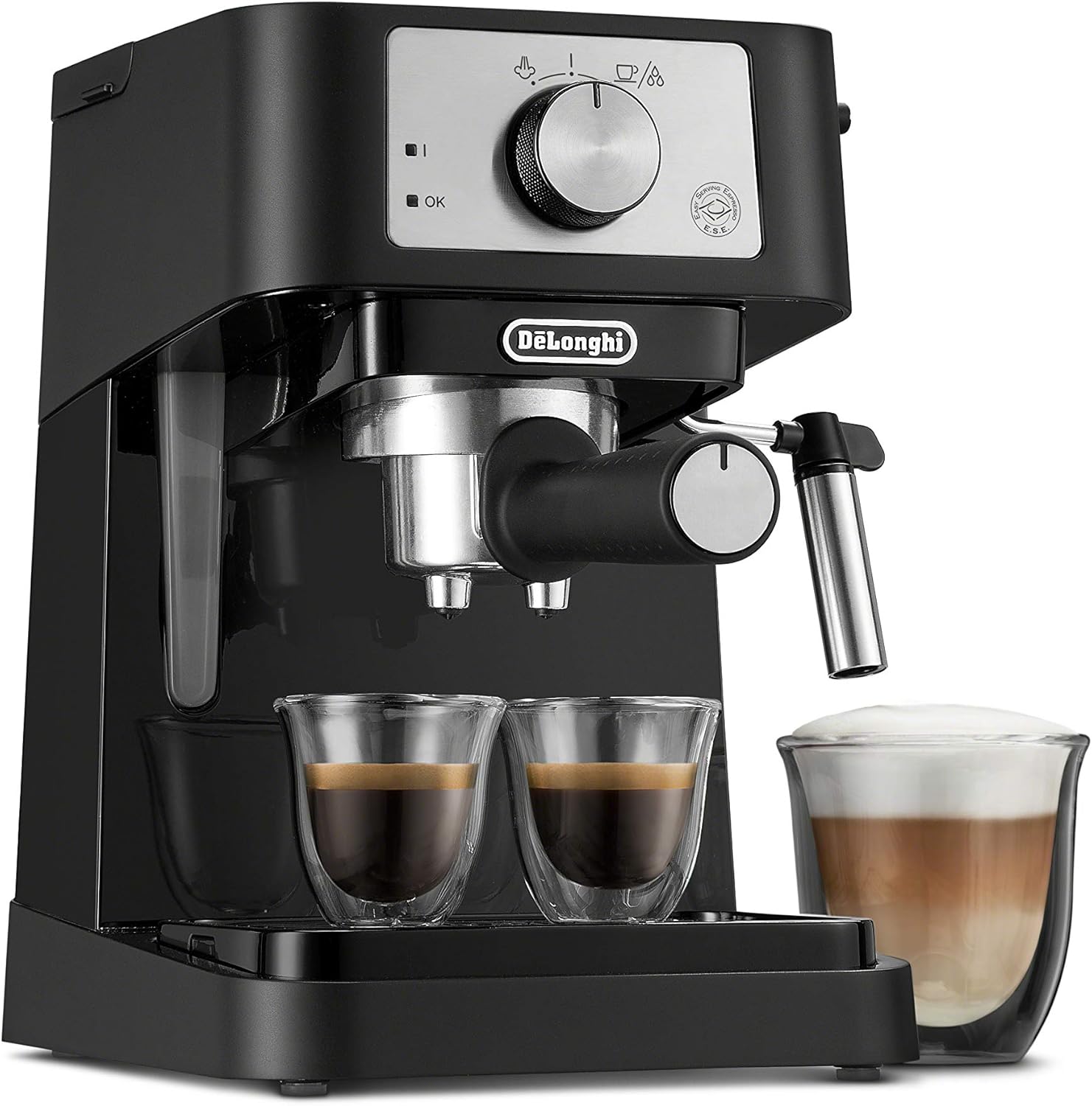
The De’Longhi Manual Espresso Machine is designed for users who prioritize control over automation. Its 15 bar pump ensures optimal pressure for extraction, while the stainless steel boiler provides consistent heat retention. The included thermo glasses offer convenience for serving, and the manual milk frother allows for customization of froth texture. These features collectively enhance the brewing process by balancing precision with user involvement, making it ideal for those who enjoy the ritual of manual espresso preparation.
Brewing Method Compatibility
The De’Longhi Manual Espresso Machine is engineered to align with traditional espresso brewing standards, making it a reliable choice for users who value authenticity in their coffee preparation. Its 15 bar pump operates within the standard pressure range required for extracting a balanced espresso shot, ensuring that the water interacts evenly with the coffee grounds. This pressure level is critical for achieving the characteristic crema and extracting the full spectrum of flavors from the beans. Unlike fully automatic machines, the manual operation of this espresso maker allows users to fine-tune parameters such as grind size, tamping pressure, and extraction time, which can significantly influence the final cup. The portafilter’s dual filters accommodate both single and double shots, providing flexibility for different brewing needs. For users who prefer a hands-on approach, this level of control is a major advantage, as it mirrors the techniques used by professional baristas. However, it requires a certain level of skill and practice to master, which may be a drawback for beginners.

Precision in Pressure and Extraction
The 15 bar pump is a cornerstone of the machine’s performance, as it ensures that the water pressure remains consistent throughout the brewing process. This pressure is essential for creating the dense, aromatic crema that defines a quality espresso shot. The pump’s design also helps prevent over-extraction, which can lead to bitter flavors, by maintaining a steady flow of water through the coffee puck. The machine’s stainless steel boiler contributes to temperature stability, ensuring that the water remains within the optimal range of 195-205°F (90-96°C) for extraction. This consistency is crucial for achieving a balanced extraction, as fluctuations in temperature can lead to under- or over-extracted shots. The portafilter’s dual filters allow for precise adjustments in coffee volume, making it suitable for both single and double shots. Users who prioritize control over automation will find this level of customization appealing, though it may require some trial and error to perfect.
Manual Operation and Skill Requirements
As a manual espresso machine, the De’Longhi model places the onus on the user to manage the brewing process. This includes tasks such as tamping the coffee grounds, adjusting the grind size, and monitoring the extraction time. While this approach offers greater control, it also demands a certain level of expertise. Beginners may find the learning curve steep, as they must develop an understanding of how different variables affect the final cup. The included tamper helps ensure even pressure distribution, which is vital for a uniform extraction. However, the absence of automated features means that users must be attentive to details such as water temperature and flow rate. For those who enjoy the challenge of mastering espresso preparation, this machine is an excellent choice. However, it may not be the best option for users seeking a more hands-off experience.
Versatility in Brewing Methods
The machine’s design allows for a range of brewing methods, from traditional espresso shots to milk-based beverages like lattes and cappuccinos. The integrated milk frother provides a convenient way to create froth, though it requires manual operation to achieve the desired texture. The ability to prepare multiple types of drinks in one machine is a significant advantage, as it reduces the need for additional appliances. The portafilter’s dual filters also accommodate different coffee volumes, making it adaptable for various brewing preferences. For users who enjoy experimenting with different espresso-based drinks, the machine’s versatility is a key benefit. However, the lack of automated frothing may limit the precision of milk texture compared to dedicated milk frothers in semi-automatic machines.
Ease of Use and Workflow Complexity
The De’Longhi Manual Espresso Machine is designed with user-friendly features that streamline the brewing process while maintaining a balance between simplicity and customization. Its ergonomic design and intuitive controls make it accessible to both novice and experienced users. The portafilter’s dual filters and included tamper simplify the process of preparing single or double shots, reducing the complexity of manual espresso preparation. The machine’s compact size and sleek aesthetic also contribute to its usability, as it occupies minimal counter space without compromising functionality. However, the manual nature of the machine requires users to manage multiple steps, such as grinding coffee, tamping, and monitoring extraction time. While this level of involvement can be rewarding for those who enjoy the brewing process, it may be overwhelming for users who prefer a more automated experience. The absence of digital displays or pre-programmed settings means that users must rely on their own judgment to achieve optimal results, which can be both a strength and a limitation depending on the user’s preferences.

Streamlined Brewing Workflow
The machine’s workflow is designed to minimize unnecessary steps while maintaining the precision required for manual espresso preparation. The portafilter’s dual filters allow for quick adjustments between single and double shots, eliminating the need for additional equipment. The tamper included with the machine ensures even pressure distribution, which is critical for a uniform extraction. The stainless steel boiler provides consistent heat retention, reducing the need for frequent adjustments during brewing. These design elements contribute to a streamlined workflow that prioritizes efficiency without sacrificing quality. However, the lack of automated features means that users must manually manage the brewing process, which can be time-consuming for those who prefer a more hands-off approach. For users who value simplicity and efficiency, the machine’s design is a significant advantage.
Ergonomic Design and Accessibility
The De’Longhi Manual Espresso Machine incorporates ergonomic elements that enhance user comfort and ease of use. The portafilter is designed for a secure grip, allowing for precise tamping without compromising stability. The machine’s compact size ensures that it fits comfortably on most countertops without taking up excessive space. The stainless steel construction not only contributes to durability but also provides a sleek, modern aesthetic that complements most kitchen environments. The included thermo glasses are ergonomically shaped for a comfortable hold, making them ideal for serving hot or cold beverages. These design choices collectively improve the user experience by reducing physical strain and enhancing the overall usability of the machine. However, the manual operation of the machine may require users to adapt to a different workflow compared to fully automatic models, which could be a consideration for those accustomed to more automated systems.
Customization and User Preference
The machine’s design allows for a high degree of customization, which is particularly appealing to users who want to tailor their brewing experience. The portafilter’s dual filters accommodate different coffee volumes, enabling users to experiment with various brewing methods. The manual milk frother provides flexibility in creating froth, though it requires some practice to achieve the desired texture. The absence of digital controls means that users must rely on their own judgment to adjust parameters such as grind size and extraction time. While this level of customization can be rewarding for experienced users, it may pose a challenge for beginners who are still learning the fundamentals of espresso preparation. The machine’s adaptability makes it a versatile option for users who enjoy the creative process of brewing, but it may not be the best choice for those seeking a more straightforward, automated experience.
Temperature Control and Heat Stability
Temperature control is a critical factor in espresso brewing, as it directly affects the extraction process and the final cup’s flavor profile. The De’Longhi Manual Espresso Machine’s stainless steel boiler ensures consistent heat retention, which is essential for maintaining the optimal water temperature throughout the brewing process. This stability helps prevent under-extraction, which can result in weak, sour flavors, and over-extraction, which can lead to bitter, burnt notes. The boiler’s design also contributes to efficient heat distribution, ensuring that the water remains within the ideal range of 195-205°F (90-96°C) for extraction. This temperature range is crucial for extracting the full spectrum of flavors from the coffee beans while preserving their natural characteristics. The machine’s ability to maintain a stable temperature is a significant advantage, as it reduces the need for frequent adjustments during brewing. However, the manual operation of the machine means that users must be mindful of the water temperature, as fluctuations can impact the final result. For users who prioritize precise temperature control, this machine offers a reliable solution that aligns with professional brewing standards.

Heat Retention and Efficiency
The stainless steel boiler of the De’Longhi Manual Espresso Machine plays a vital role in maintaining heat retention, which is essential for consistent brewing. Stainless steel is an excellent material for heat retention due to its high thermal conductivity and durability. This property allows the boiler to retain heat efficiently, reducing the time required to reach the optimal brewing temperature. The machine’s design also minimizes heat loss, ensuring that the water remains at the desired temperature throughout the extraction process. This efficiency is particularly beneficial for users who brew multiple shots in succession, as it reduces the need for frequent reheating. The boiler’s durability ensures that it can withstand prolonged use without losing its thermal properties, making it a long-lasting component of the machine. However, the manual operation of the machine requires users to manage the heat retention process, which may be a consideration for those who prefer a more automated system.
Impact on Extraction Quality
The machine’s ability to maintain a stable temperature has a direct impact on the quality of the extracted coffee. Consistent water temperature ensures that the coffee grounds are evenly saturated, leading to a balanced extraction that highlights the full flavor profile of the beans. This is particularly important for users who use a variety of coffee beans with different roast levels, as temperature fluctuations can affect how each type of bean is extracted. The stainless steel boiler’s heat retention properties also help prevent over-extraction, which can lead to bitter, overdeveloped flavors. By maintaining a stable temperature, the machine ensures that each shot is brewed consistently, which is a significant advantage for users who prioritize precision in their coffee preparation. However, the manual nature of the machine means that users must be attentive to temperature changes, which can be a challenge for those who are new to espresso brewing.
Long-Term Heat Stability
The De’Longhi Manual Espresso Machine’s stainless steel boiler is designed to maintain long-term heat stability, which is essential for consistent brewing over time. The material’s thermal properties allow it to retain heat efficiently, ensuring that the water remains within the optimal temperature range for extraction. This stability is particularly beneficial for users who brew multiple shots in a single session, as it reduces the need for frequent reheating. The boiler’s durability ensures that it can withstand prolonged use without losing its thermal efficiency, making it a reliable component for long-term use. However, the manual operation of the machine means that users must manage the heat retention process, which can be a consideration for those who prefer a more automated system. Overall, the machine’s heat stability contributes to a reliable brewing experience that aligns with professional standards.
Capacity and Serving Flexibility
The De’Longhi Manual Espresso Machine’s 1.2-liter capacity is well-suited for home use, providing sufficient volume for multiple brewing sessions without requiring frequent refills. This capacity is ideal for households or individuals who prepare espresso regularly, as it ensures that there is enough water to brew multiple shots without interruption. The machine’s design also allows for efficient use of resources, as the water is heated and retained within the boiler, minimizing waste. The included double-walled thermo espresso glasses further enhance the machine’s serving flexibility by providing a convenient way to enjoy both hot and cold beverages. The glasses’ borosilicate construction ensures that they can withstand temperature fluctuations without cracking, making them suitable for a variety of serving temperatures. This combination of capacity and serving versatility makes the machine a practical choice for users who want to prepare and serve multiple types of espresso-based drinks with ease. However, the machine’s capacity may not be sufficient for commercial use or high-volume brewing, which could be a limitation for users with more demanding needs.

Serving Options and Convenience
The double-walled thermo espresso glasses included with the machine offer a convenient solution for serving both hot and cold beverages. The glasses’ design allows for condensation-free handling, making them ideal for use in various environments, from home kitchens to office spaces. The borosilicate material is resistant to thermal shock, ensuring that the glasses can withstand extreme temperature changes without cracking. This durability is particularly beneficial for users who frequently serve both hot and cold beverages, as it reduces the risk of breakage. The glasses’ ergonomic shape also enhances the user experience by providing a comfortable grip, which is especially useful when handling hot drinks. These features collectively contribute to a more convenient and user-friendly serving experience, making the machine a practical choice for home use.
Adaptability to Different Serving Needs
The machine’s capacity and serving options make it adaptable to a range of brewing and serving needs. The 1.2-liter capacity ensures that there is enough water to prepare multiple shots without the need for frequent refills, which is particularly useful for households or individuals who brew espresso regularly. The inclusion of double-walled glasses adds versatility to the machine’s functionality, as they can be used for both hot and cold beverages. This adaptability is a significant advantage for users who want to prepare and serve a variety of espresso-based drinks with minimal effort. However, the machine’s capacity may not be sufficient for users with more demanding needs, such as those who prepare large quantities of coffee for events or gatherings. For most home users, the machine’s capacity and serving options provide a practical and convenient solution.
Cleaning and Maintenance Expectations
The De’Longhi Manual Espresso Machine is designed with ease of cleaning and maintenance in mind, which is essential for ensuring long-term performance and hygiene. The stainless steel components are resistant to corrosion and easy to wipe down, reducing the effort required for regular cleaning. The machine’s design also facilitates thorough cleaning by allowing access to key parts such as the portafilter and boiler. The double-walled thermo glasses are dishwasher safe, which simplifies the cleaning process for users who prefer to use dishwashers. However, the manual operation of the machine may require more frequent cleaning compared to fully automatic models, as users must manually manage the brewing process and ensure that all components are properly maintained. The absence of automated cleaning features means that users must be diligent in their maintenance routines to prevent buildup and ensure optimal performance. For users who prioritize simplicity and efficiency in their cleaning process, the machine’s design is a significant advantage.

Material Durability and Resistance
The machine’s construction materials are selected for their durability and resistance to wear, which contributes to its longevity and ease of maintenance. The stainless steel boiler is resistant to corrosion and can withstand prolonged use without degrading, ensuring that it continues to function efficiently over time. The portafilter and tamper are also made from durable materials that can withstand the rigors of regular use. The double-walled thermo glasses are made from borosilicate glass, which is resistant to thermal shock and less prone to cracking, making them suitable for both hot and cold beverages. These materials not only enhance the machine’s durability but also simplify the cleaning process, as they are easy to wipe down and resistant to staining. However, the manual nature of the machine means that users must be mindful of cleaning all components regularly to maintain optimal performance.
Maintenance Requirements and Frequency
Regular maintenance is essential for keeping the De’Longhi Manual Espresso Machine in optimal condition. The stainless steel components should be wiped down after each use to prevent the buildup of coffee oils and residue, which can affect the machine’s performance over time. The portafilter and tamper should be cleaned regularly to ensure that they remain free from clogs and maintain their functionality. The boiler should be descaled periodically to prevent mineral buildup, which can impact heat retention and overall efficiency. The double-walled thermo glasses are dishwasher safe, which simplifies the cleaning process for users who prefer to use dishwashers. However, the manual operation of the, the machine requires users to manage these maintenance tasks themselves, which may be a consideration for those who prefer a more automated cleaning system. Overall, the machine’s design facilitates regular maintenance, making it a practical choice for home users.
Durability and Long-Term Reliability
The De’Longhi Manual Espresso Machine is built with a focus on durability and long-term reliability, ensuring that it can withstand regular use without compromising performance. The stainless steel boiler is a key component of the machine’s longevity, as it is resistant to corrosion and can maintain its thermal properties over time. This material choice ensures that the machine remains efficient and reliable even after extended use. The portafilter and tamper are also constructed from durable materials that can withstand the pressures of manual brewing without degrading. The double-walled thermo glasses, made from borosilicate glass, are resistant to thermal shock and less prone to cracking, making them a long-lasting addition to the machine’s set. These materials collectively contribute to the machine’s robustness, making it a reliable choice for home users who prioritize longevity and performance. However, the manual operation of the machine may require users to be more vigilant about maintenance, which can impact its long-term reliability if not properly managed.
Build Quality and Construction
The machine’s build quality is a testament to its focus on durability and reliability. The stainless steel boiler is engineered to withstand prolonged use without losing its thermal efficiency, ensuring consistent heat retention for optimal extraction. The portafilter and tamper are designed with precision to provide even pressure distribution, which is critical for a uniform extraction. The double-walled thermo glasses are constructed with borosilicate glass, which is known for its resistance to thermal shock and durability. These materials not only enhance the machine’s longevity but also contribute to its overall performance by ensuring that each component functions as intended. The machine’s design also incorporates ergonomic elements that enhance user comfort, further contributing to its long-term usability. For users who prioritize a durable and reliable machine, the De’Longhi Manual Espresso Machine is an excellent choice.
Longevity and Performance Over Time
The De’Longhi Manual Espresso Machine is designed to maintain its performance over time, thanks to its durable construction and high-quality materials. The stainless steel boiler ensures that the machine retains its thermal efficiency, even after extended use, which is essential for consistent brewing. The portafilter and tamper are engineered to withstand the pressures of manual brewing without degrading, ensuring that each shot is prepared with precision. The double-walled thermo glasses, made from borosilicate glass, are resistant to thermal shock and less prone to cracking, making them a long-lasting addition to the machine’s set. These features collectively contribute to the machine’s longevity, making it a reliable choice for home users who prioritize durability and performance. However, the manual operation of the machine requires users to be diligent in their maintenance routines to ensure that all components remain in optimal condition.
Pros & Cons
Pros
- 15 Bar Pump: The 15 bar pump ensures optimal pressure for extraction, delivering a rich and balanced espresso shot. This pressure level is critical for achieving the characteristic crema and extracting the full spectrum of flavors from the coffee beans.
- Stainless Steel Boiler: The durable stainless steel boiler provides consistent heat retention, ensuring that the water remains within the optimal temperature range for extraction. This stability enhances the quality of the final cup.
- Dual Portafilter Filters: The portafilter’s dual filters accommodate both single and double shots, offering flexibility for different brewing needs. This versatility is a significant advantage for users who enjoy experimenting with various espresso preparations.
- Manual Milk Frother: The integrated milk frother allows for customization of froth texture, making it easier to create lattes and cappuccinos. While it requires manual operation, it offers a level of control that is appealing to experienced users.
- Double-Walled Thermo Glasses: The included glasses provide a convenient way to enjoy both hot and cold beverages. Their borosilicate construction ensures durability and resistance to thermal shock.
- Ease of Cleaning: The machine’s materials are easy to clean and maintain, reducing the effort required for regular upkeep. The dishwasher-safe glasses further simplify the cleaning process.
- Compact Design: The machine’s sleek and compact design makes it a practical addition to any kitchen, without taking up excessive counter space.
- 1-Year Warranty: The included warranty provides peace of mind, ensuring that users can address any issues that may arise during the machine’s lifespan.
Cons
- Manual Operation: The manual nature of the machine requires users to manage multiple steps, such as tamping, adjusting grind size, and monitoring extraction time. This level of involvement may be overwhelming for beginners.
- Limited Temperature Control: While the stainless steel boiler provides consistent heat retention, the lack of automated temperature regulation means that users must be attentive to water temperature during brewing.
- Manual Milk Frothing: The milk frother requires manual operation to achieve the desired froth texture, which may be less precise compared to dedicated milk frothers in semi-automatic machines.
- Learning Curve: The machine’s versatility and customization options come with a learning curve, as users must develop an understanding of how different variables affect the final cup.
- Space Considerations: Although the machine is compact, its size may still be a consideration for users with limited counter space, particularly in smaller kitchens.
Final Verdict: Who This Product Is Best For (and Who Should Skip It)
The De’Longhi Manual Espresso Machine is an excellent choice for home brewers and espresso enthusiasts who value control, customization, and the ability to create a variety of espresso-based drinks. Its 15 bar pump, stainless steel boiler, and manual milk frother provide the tools needed to achieve a rich, balanced espresso shot, while the included thermo glasses offer convenience for serving. The machine’s compact design and ease of cleaning make it a practical addition to any kitchen, particularly for those who enjoy the ritual of manual espresso preparation. However, it may not be the best option for users who prefer a more automated experience or are looking for a simpler, hands-off approach to brewing. The machine’s manual operation requires a certain level of skill and practice, which may be a drawback for beginners. For users who are willing to invest time in mastering the brewing process, the De’Longhi Manual Espresso Machine is a reliable and versatile choice that aligns with professional espresso standards.
Frequently Asked Questions (FAQs)
How does the 15 bar pump contribute to espresso quality?
The 15 bar pump ensures optimal pressure for extraction, delivering a rich and balanced espresso shot. This pressure level is critical for achieving the characteristic crema and extracting the full spectrum of flavors from the coffee beans.
Is the De’Longhi Espresso Machine suitable for beginners?
While the machine offers control and customization, its manual operation requires some skill and practice. Beginners may find the learning curve steep, but it can be rewarding for those who enjoy the brewing process.
Can the machine make both single and double shots?
Yes, the dual portafilter filters accommodate both single and double shots, providing flexibility for different brewing needs.
How do the thermo glasses enhance the user experience?
The double-walled thermo glasses provide a convenient way to enjoy both hot and cold beverages. Their borosilicate construction ensures durability and resistance to thermal shock.
What is the warranty coverage for the machine?
The De’Longhi Manual Espresso Machine comes with a 1-year warranty, providing peace of mind for users.
Is the machine easy to clean?
The machine’s materials are easy to clean and maintain. The included thermo glasses are dishwasher safe, simplifying the cleaning process.
Does the machine require regular maintenance?
Regular maintenance, such as cleaning the portafilter and descaling the boiler, is recommended to ensure long-term performance and hygiene.
Is the machine suitable for small kitchens?
The machine’s compact design makes it a practical addition to smaller kitchens, though its size may still be a consideration for users with limited counter space.