Breville Barista Express Espresso Machine Review: Home Espresso Mastery
The Importance of Coffee Equipment in Home Brewing
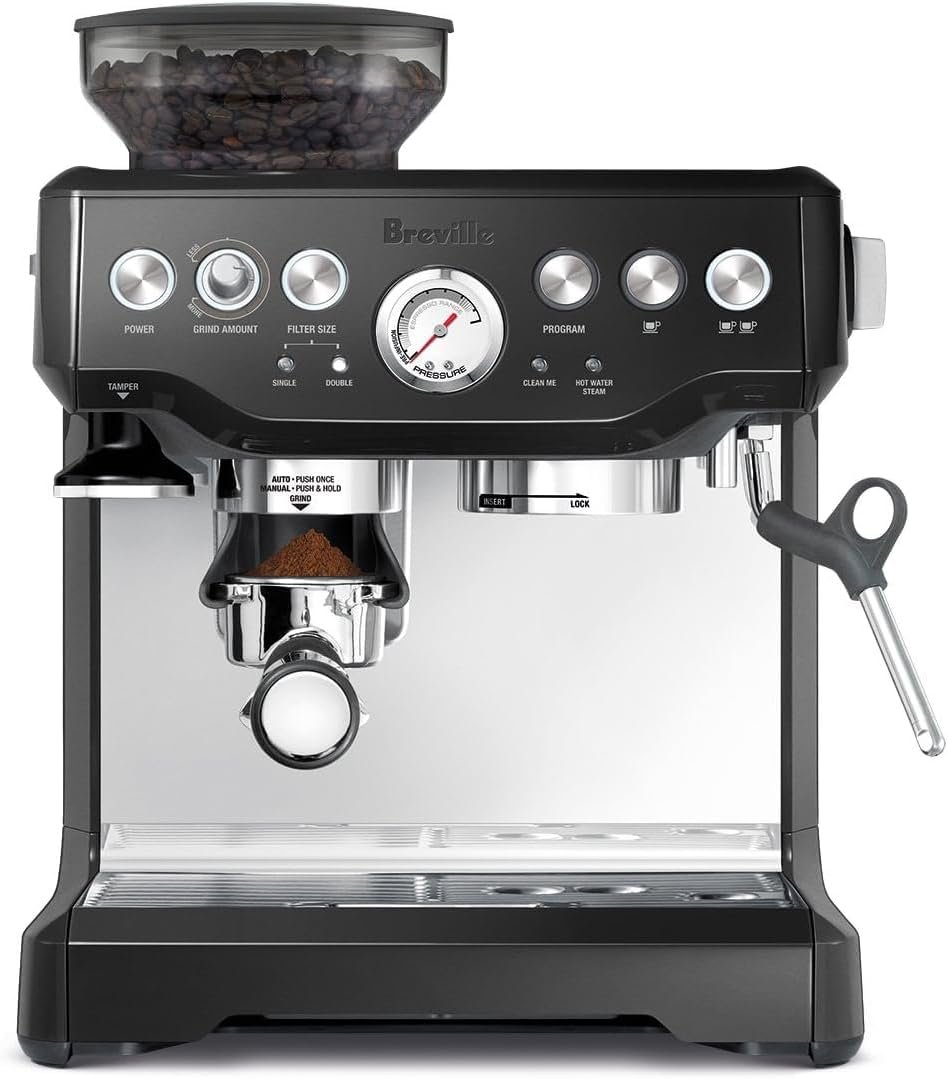
The quality of coffee brewed at home is deeply influenced by the equipment used. From the precision of grind consistency to the control of water temperature, each component of a coffee machine plays a critical role in determining the final cup. For home baristas and coffee enthusiasts, selecting the right equipment can transform a basic brew into a refined experience. The Breville Barista Express Espresso Machine BES870BSXL represents a significant investment in home espresso preparation, offering a balance of functionality and performance. Its integrated grinder and semi-automatic operation cater to users seeking control without excessive complexity. This review evaluates how the machine aligns with the needs of home brewers, focusing on brewing method compatibility, ease of use, temperature control, and long-term reliability. Whether you’re a seasoned enthusiast or a beginner exploring specialty coffee, understanding the features and limitations of the Barista Express can help determine if it’s the right choice for your kitchen.
Quick Overview
| Feature | Details |
|---|---|
| Product Category | Espresso Machine |
| Brewing Method | Semi-Automatic Espresso |
| Capacity | 4.2 Pounds |
| Materials | Stainless Steel, Plastic |
| Heating System | PID Temperature Control |
| Grind Compatibility | Integrated Conical Burr Grinder |
| Intended Use | Home Espresso Preparation |
| Best Suited For | Home Baristas, Families, Specialty Coffee Enthusiasts |
| Intended Use Cases | Daily Espresso, Latte Art, Multi-Cup Brewing |
| Warranty | Not Specified |
The Breville Barista Express combines an integrated conical burr grinder with a semi-automatic espresso system, offering a streamlined workflow for home brewers. Its stainless steel construction and PID temperature control ensure consistent performance, while the 4.2-pound capacity accommodates both single and multi-cup brewing. These features collectively support a balance between precision and practicality, making it a versatile option for users prioritizing quality and efficiency.

Brewing Method Compatibility: Integrated Grind and Espresso Extraction
The Barista Express is designed to deliver third-wave specialty coffee through its integrated conical burr grinder and semi-automatic espresso system. This combination allows users to transition from whole beans to a finished espresso shot in under a minute, catering to those who value efficiency without sacrificing quality. The machine’s built-in grinder ensures consistent grind size, which is essential for optimal extraction. However, the lack of a built-in grinder for other brewing methods like French press or pour-over means it is not a universal solution for all coffee preparation needs. The semi-automatic operation requires users to manually tamp the grounds, which adds a layer of control but also increases the learning curve for beginners. This design choice aligns with the expectations of home baristas who seek a balance between automation and manual involvement.

Grind Consistency and Bean Compatibility
The integrated conical burr grinder is a key feature of the Barista Express, providing precise control over grind size. This is critical for achieving consistent extraction, as a uniform grind ensures even water flow through the coffee puck. The machine’s grind size dial allows users to adjust the grind according to their preferred roast and brewing style, accommodating both light and dark roasts. However, the absence of a dedicated grinding setting for specific brewing methods like Turkish coffee or cold brew means the machine is optimized for espresso rather than versatility. This limitation makes it less suitable for users who experiment with multiple brewing techniques.
Espresso Extraction and Flavor Balance
The Barista Express employs a semi-automatic system that requires users to manually tamp the ground coffee before starting the extraction. This manual step ensures a level surface for even water distribution, which is essential for a balanced extraction. The machine’s PID temperature control maintains the optimal water temperature for espresso extraction, typically around 195-205°F, ensuring that the coffee’s natural flavors are fully extracted without over-extraction. The low-pressure pre-infusion phase gradually increases pressure, allowing the coffee to bloom and release its oils before the main extraction begins. This process enhances the overall flavor profile, making the Barista Express a strong contender for users seeking a precise and flavorful espresso experience.
Multi-Cup Brewing and Serving Flexibility
While the Barista Express is primarily designed for single-shot espresso, its 4.2-pound capacity and integrated grinder make it suitable for multi-cup brewing. Users can prepare multiple shots by reusing the same grounds, though this may affect the consistency of each shot due to the limited coffee puck size. The machine’s design allows for easy cleaning of the portafilter and brewing chamber, which is important for maintaining the quality of subsequent brews. However, the lack of a dedicated milk frothing system means users must manually texture milk for lattes, which may be a drawback for those who prefer convenience in milk preparation.
Ease of Use and Workflow Complexity: Semi-Automatic Precision
The Barista Express is designed to simplify the espresso brewing process while maintaining a level of control that appeals to home baristas. Its semi-automatic operation requires users to manually tamp the ground coffee before initiating the extraction, which adds a tactile element to the brewing process. This design choice ensures that users have direct influence over the extraction, allowing for adjustments based on their preferences. However, the learning curve for tamping and managing the pressure can be steep for beginners, making the machine less ideal for users seeking a fully automatic experience. The intuitive dial for grind size and the straightforward interface contribute to a user-friendly workflow, though the manual steps involved in the brewing process may require some practice to master.

Intuitive Grind Size Adjustment
The Barista Express features a simple and intuitive grind size dial that allows users to adjust the grind according to their preferred roast and brewing style. This level of customization is essential for achieving the right extraction, as different roasts and brewing methods require varying grind sizes. The conical burr grinder ensures a consistent grind, which is critical for even water flow through the coffee puck. However, the lack of a dedicated setting for specific brewing methods means users must rely on trial and error to determine the optimal grind for their preferences. This flexibility is a strength for experienced users but may pose a challenge for beginners.
Manual Milk Texturing and Latte Art Potential
The Barista Express includes a powerful steam wand for manual milk texturing, enabling users to create microfoam for lattes and cappuccinos. This feature is particularly beneficial for those who enjoy crafting latte art, as it allows for precise control over the milk’s texture and temperature. The steam wand’s performance is influenced by the machine’s PID temperature control, which ensures that the milk is heated to the ideal temperature for frothing. However, the manual nature of milk texturing requires practice and patience, making it a skill that may take time to develop. For users who prefer convenience in milk preparation, this may be a drawback.
Workflow Efficiency and Time Management
The Barista Express is designed to streamline the espresso brewing process, reducing the time required to prepare a single shot. The integrated grinder eliminates the need to pre-grind coffee, saving time and effort. The semi-automatic operation allows users to control the extraction process while maintaining a level of efficiency. However, the manual steps involved in tamping and managing the pressure can add to the overall time required, especially for users who are still learning the process. This balance between automation and manual involvement makes the Barista Express a practical choice for those who value both precision and efficiency in their home brewing routine.
Temperature Control and Heat Stability: PID Precision for Consistent Extraction
Temperature control is a critical factor in espresso extraction, as water temperature directly influences the extraction of flavors and oils from the coffee grounds. The Barista Express features PID temperature control, which allows users to set and maintain the optimal water temperature for espresso brewing. This level of precision ensures that the water remains within the ideal range of 195-205°F, preventing over-extraction or under-extraction. The machine’s heat stability is further enhanced by its stainless steel construction, which helps retain heat during the brewing process. This combination of PID control and thermal efficiency makes the Barista Express a reliable choice for users who prioritize consistent extraction and flavor balance.

Digital Temperature Control and Extraction Optimization
The Barista Express’s PID temperature control system allows for precise regulation of the water temperature used in espresso extraction. This is essential for achieving a balanced cup of coffee, as water that is too hot can over-extract the coffee, resulting in a bitter taste, while water that is too cool can under-extract, leading to a weak and underdeveloped flavor. The machine’s digital interface enables users to adjust the temperature settings according to their preferences, though the default setting is optimized for standard espresso brewing. This level of control is particularly beneficial for users who experiment with different roasts and brewing techniques, as it allows for fine-tuning the extraction process to suit their preferences.
Heat Retention and Brewing Stability
The Barista Express’s stainless steel construction contributes to its heat retention capabilities, ensuring that the machine maintains a stable temperature during the brewing process. This is important for maintaining consistent extraction, as fluctuations in temperature can affect the quality of the final cup. The machine’s design also includes insulation that helps retain heat in the brewing chamber, reducing the risk of temperature drops during extraction. These features collectively enhance the Barista Express’s ability to deliver a consistent and high-quality espresso experience, making it a reliable option for home brewers who prioritize temperature stability.
Long-Term Heat Performance and Maintenance
While the Barista Express’s PID temperature control and stainless steel construction contribute to its heat stability, long-term performance may require periodic maintenance to ensure optimal functionality. The machine’s heating element and thermal insulation can degrade over time, which may affect the consistency of the brewing process. Regular cleaning of the brewing chamber and steam wand is recommended to prevent buildup that could interfere with heat transfer. These maintenance requirements are standard for espresso machines but highlight the importance of proper care to preserve the machine’s performance over time. Users who prioritize long-term reliability should consider these maintenance needs when evaluating the Barista Express.
Capacity and Serving Flexibility: Multi-Cup Brewing and Household Use
The Barista Express’s 4.2-pound capacity makes it suitable for both single and multi-cup brewing, accommodating the needs of households and individuals who prepare multiple shots of espresso. This capacity allows users to grind enough coffee for several shots at once, reducing the time required for preparation. However, the machine’s design is optimized for single-shot brewing, which means that multi-cup brewing may require additional steps to ensure consistency. The integrated grinder ensures that the coffee is ground uniformly, which is essential for maintaining the quality of each shot. This capacity makes the Barista Express a practical choice for families or individuals who frequently prepare espresso, though it may not be ideal for users who prioritize ultra-fast brewing for multiple cups.

Serving Size and Household Use
The Barista Express is designed to accommodate serving sizes ranging from single shots to multiple cups, making it a versatile option for households. The machine’s 4.2-pound capacity allows for grinding enough coffee for several shots, which is particularly useful for families or individuals who prepare espresso multiple times a day. However, the lack of a dedicated milk frothing system means that users must manually texture milk for lattes, which may be a drawback for those who prefer convenience in milk preparation. This limitation makes the Barista Express more suitable for users who are willing to invest time in milk texturing rather than relying on automated systems.
Multi-Cup Brewing and Consistency
While the Barista Express is primarily designed for single-shot espresso, its 4.2-pound capacity and integrated grinder make it suitable for multi-cup brewing. Users can prepare multiple shots by reusing the same grounds, though this may affect the consistency of each shot due to the limited coffee puck size. The machine’s design allows for easy cleaning of the portafilter and brewing chamber, which is important for maintaining the quality of subsequent brews. However, the lack of a dedicated milk frothing system means that users must manually texture milk for lattes, which may be a drawback for those who prefer convenience in milk preparation.
Cleaning and Maintenance: Ease of Care and Longevity
The Barista Express is designed with cleaning and maintenance in mind, featuring components that are easy to disassemble and clean. The permanent filter and removable parts, such as the portafilter and brewing chamber, contribute to a straightforward cleaning process. Regular maintenance is essential for preserving the machine’s performance, as buildup from coffee oils and residues can affect the quality of the final brew. The stainless steel construction also helps in reducing the accumulation of grime, making the machine more resistant to corrosion and staining. These features collectively ensure that the Barista Express remains in good working condition over time, though users should be aware of the maintenance requirements to maximize its longevity.

Permanent Filter and Residue Management
The Barista Express includes a permanent filter that simplifies the cleaning process by eliminating the need to replace disposable filters. This design choice reduces the frequency of maintenance tasks, making it more convenient for users who prioritize ease of care. However, the permanent filter may require periodic cleaning to prevent the buildup of coffee oils and residues, which can affect the machine’s performance. Users should be aware that while the permanent filter reduces maintenance, it still requires regular cleaning to ensure optimal functionality.
Removable Parts and Accessibility
The Barista Express’s removable parts, such as the portafilter and brewing chamber, are designed for easy disassembly and cleaning. This accessibility is crucial for maintaining the machine’s performance, as it allows users to thoroughly clean these components without the need for specialized tools. The machine’s design also facilitates the removal of the steam wand, which is essential for preventing the buildup of milk residue that can affect the machine’s efficiency. These features contribute to a more manageable maintenance routine, though users should be mindful of the time required for regular cleaning to preserve the machine’s longevity.
Long-Term Maintenance and Performance
While the Barista Express is designed for ease of cleaning and maintenance, long-term performance may require periodic servicing to ensure optimal functionality. The machine’s heating element and thermal insulation can degrade over time, which may affect the consistency of the brewing process. Regular cleaning of the brewing chamber and steam wand is recommended to prevent buildup that could interfere with heat transfer. These maintenance requirements are standard for espresso machines but highlight the importance of proper care to preserve the machine’s performance over time. Users who prioritize long-term reliability should consider these maintenance needs when evaluating the Barista Express.

Pros & Cons
Pros
- Integrated Conical Burr Grinder: The built-in grinder ensures consistent grind size, which is essential for optimal extraction. This feature eliminates the need for a separate grinder, streamlining the brewing process.
- PID Temperature Control: The digital temperature control system allows for precise regulation of water temperature, ensuring a balanced extraction and consistent flavor profile.
- Semi-Automatic Operation: The semi-automatic design provides users with control over the brewing process while maintaining a level of efficiency, making it suitable for both beginners and experienced baristas.
- Stainless Steel Construction: The durable stainless steel components contribute to heat retention and resistance to corrosion, enhancing the machine’s longevity.
- Manual Milk Texturing: The powerful steam wand enables users to create microfoam for lattes and cappuccinos, offering flexibility in milk preparation.
- Easy to Clean Components: The removable parts and permanent filter simplify the cleaning process, reducing maintenance efforts and ensuring the machine remains in good working condition.
Cons
- Learning Curve for Manual Steps: The semi-automatic operation requires users to manually tamp the coffee grounds, which may be challenging for beginners and require practice to master.
- Limited Multi-Cup Brewing Efficiency: While the machine can prepare multiple shots, the limited coffee puck size may affect the consistency of each shot, making it less ideal for high-volume brewing.
- Manual Milk Texturing Effort: The need to manually texture milk for lattes may be time-consuming for users who prefer convenience in milk preparation.
- Weight and Size Considerations: The machine’s weight and size may make it less suitable for small kitchens or users who prioritize compact designs.
- Maintenance Requirements: While the machine is designed for ease of cleaning, long-term maintenance may be necessary to preserve its performance, which could be a drawback for users who prefer minimal upkeep.
Final Verdict: Who This Product Is Best For (and Who Should Skip It)
The Breville Barista Express Espresso Machine BES870BSXL is an excellent choice for home baristas and coffee enthusiasts who value precision, control, and a balance between automation and manual involvement. Its integrated conical burr grinder, PID temperature control, and semi-automatic operation make it a versatile option for users who want to experiment with different brewing techniques and achieve a high-quality espresso experience. The stainless steel construction and easy-to-clean components contribute to its durability and long-term reliability, making it a practical investment for households or individuals who brew espresso regularly. However, the machine may not be the best fit for users who prioritize ultra-fast brewing, require a fully automatic system, or need a compact design for small kitchens. Those who are willing to invest time in learning the semi-automatic workflow and manual milk texturing will find the Barista Express to be a reliable and high-performing espresso machine.
Frequently Asked Questions (FAQs)
How does the integrated conical burr grinder affect espresso quality?
The integrated conical burr grinder ensures a consistent grind size, which is essential for even water flow through the coffee puck. This consistency enhances extraction, resulting in a more balanced and flavorful espresso. However, the lack of a dedicated setting for specific brewing methods means users must adjust the grind manually based on their preferences.
Can the Barista Express be used for multi-cup brewing?
The Barista Express is designed for single-shot espresso, though its 4.2-pound capacity allows for grinding enough coffee for multiple shots. Users can prepare multiple shots by reusing the same grounds, though this may affect the consistency of each shot due to the limited coffee puck size. This makes it suitable for households but less ideal for high-volume brewing.
What is the role of PID temperature control in espresso extraction?
PID temperature control allows users to set and maintain the optimal water temperature for espresso extraction, typically between 195-205°F. This precision ensures that the water remains within the ideal range, preventing over-extraction or under-extraction and delivering a balanced flavor profile.
Is the Barista Express suitable for beginners?
The Barista Express is semi-automatic, requiring users to manually tamp the coffee grounds, which may present a learning curve for beginners. While it offers control and precision, users should be prepared to invest time in mastering the workflow and manual steps involved in the brewing process.
How easy is it to clean the Barista Express?
The Barista Express features removable parts such as the portafilter and brewing chamber, along with a permanent filter that simplifies the cleaning process. Regular maintenance is recommended to prevent buildup, but the machine’s design makes it more manageable compared to other espresso machines.
What are the limitations of the Barista Express for latte art?
The Barista Express includes a powerful steam wand for manual milk texturing, enabling users to create microfoam for lattes. However, the manual process requires practice and patience, making it less convenient for users who prefer automated milk preparation.
Is the Barista Express suitable for small kitchens?
The Barista Express’s weight and size may make it less suitable for small kitchens. Its dimensions are 13.8″D x 12.5″W x 15.9″H, which is a substantial footprint. Users with limited space should consider this before purchasing.
What is the long-term maintenance required for the Barista Express?
The Barista Express requires regular cleaning of the brewing chamber and steam wand to prevent buildup. While the machine is designed for ease of cleaning, long-term maintenance may be necessary to preserve its performance, which could be a drawback for users who prefer minimal upkeep.