Bialetti Moka Induction: Best Espresso Maker for Induction Stovetops
The Importance of Choosing the Right Coffee Brewing Equipment
Selecting the right coffee brewing equipment is a critical decision for home brewers and enthusiasts seeking consistent quality and convenience. The right appliance can transform a simple morning ritual into a refined experience, offering control over variables like temperature, pressure, and extraction. For those who prioritize traditional methods with modern adaptability, the Bialetti Moka Induction stands out as a compelling option. This product bridges the gap between classic espresso preparation and contemporary kitchen requirements, particularly for users with induction stovetops. Its design and functionality cater to a range of brewing needs, from single-cup espresso to larger servings, while maintaining the essence of the original Moka pot. Understanding the factors that influence brewing outcomes—such as heat stability, grind compatibility, and ease of use—helps users make informed choices. This review explores how the Bialetti Moka Induction aligns with these priorities, offering insights into its performance, usability, and suitability for various coffee preparation scenarios.
Quick Overview
| Feature | Details |
|---|---|
| Product Category | Stovetop Espresso & Moka Pots |
| Brewing Method | Manual pressure-based espresso extraction |
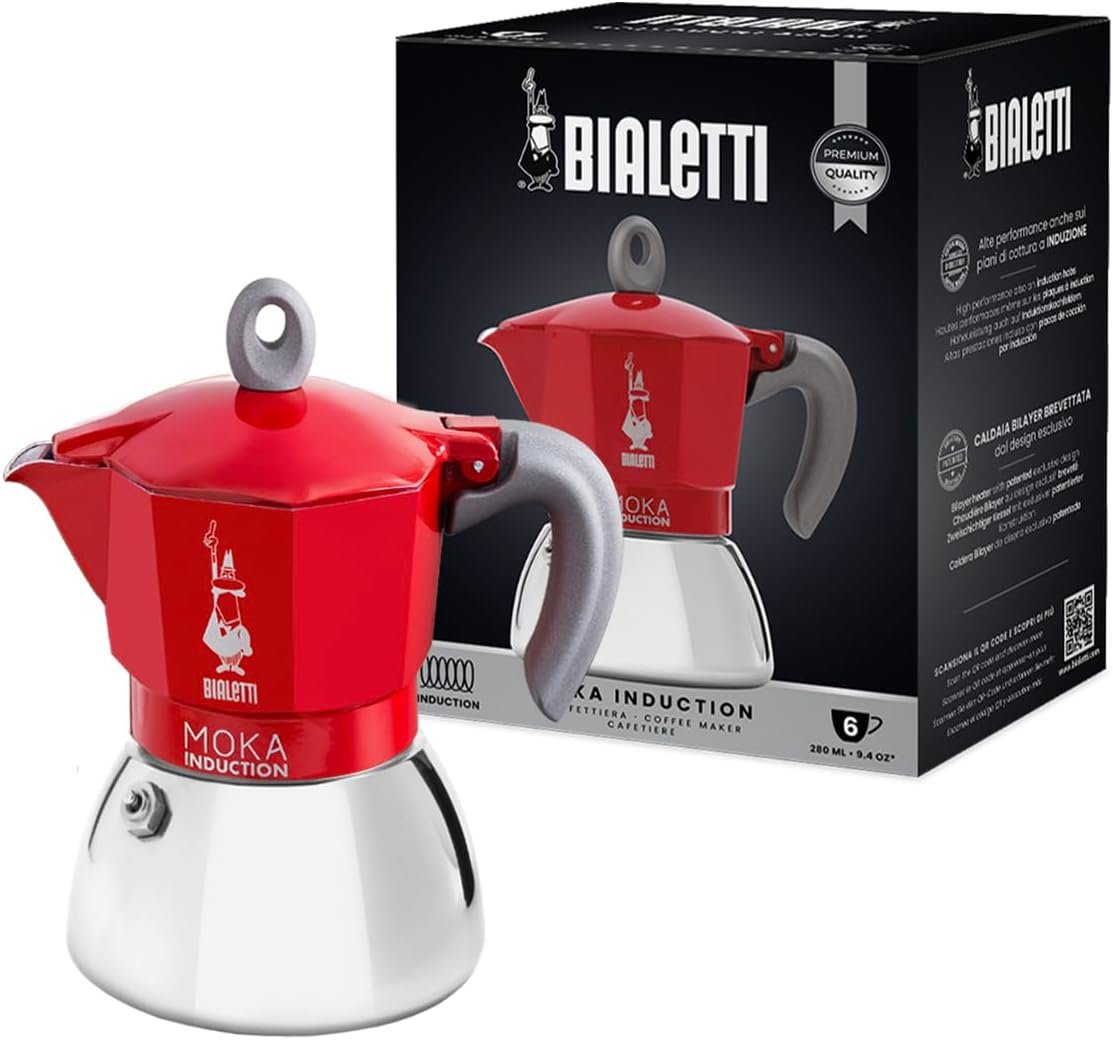
| Capacity | 6 cups (280 milliliters) |
| Materials | Aluminum upper chamber, stainless steel boiler |
| Compatibility | Induction stovetops, gas, and electric hobs |
| Grind Compatibility | Fine to medium grind coffee |
| Intended Use | Espresso, mocha, and smaller servings |
| Best Suited For | Home brewers, espresso enthusiasts, and travelers |
| Warranty | Not specified in product details |
The Bialetti Moka Induction’s combination of materials and compatibility with multiple stovetop types ensures versatility in brewing environments. Its design retains the core principles of the original Moka pot while adapting to modern cooking needs, making it a practical choice for users who value both tradition and convenience.

Brewing Method Compatibility and Performance
The Bialetti Moka Induction is engineered for manual pressure-based espresso extraction, a method that relies on controlled heat and pressure to extract flavors from ground coffee. This brewing approach is ideal for users who prefer the intensity and complexity of espresso, as well as those who enjoy experimenting with variations like mochas. The product’s compatibility with induction stovetops is a significant advantage, as it eliminates the need for gas or electric hobs, making it suitable for a wide range of kitchen setups. However, its reliance on manual operation means that users must manage the brewing process carefully to achieve consistent results. The design of the pot, with its aluminum upper chamber and stainless steel boiler, ensures efficient heat transfer and even pressure distribution, which are critical for optimal extraction.

Heat Transfer and Pressure Distribution
The Bialetti Moka Induction’s construction materials play a crucial role in its performance. The aluminum upper chamber, a material commonly used in traditional Moka pots, facilitates rapid and even heat transfer, ensuring that the water reaches the optimal temperature for extraction. The stainless steel boiler, on the other hand, provides durability and resistance to corrosion, which is essential for long-term use. Together, these materials create a balance between thermal efficiency and structural integrity, allowing the pot to maintain consistent pressure during brewing. This combination is particularly beneficial for users who prioritize heat stability, as it minimizes temperature fluctuations that can affect the final cup.
Grind Compatibility and Extraction Quality
The Bialetti Moka Induction requires a fine to medium grind coffee, a specification that aligns with the pressure-based extraction method. The grind size directly impacts the extraction process: too coarse a grind may result in under-extraction, producing a weak and watery coffee, while too fine a grind can lead to over-extraction, resulting in a bitter and over-saturated brew. The pot’s design, with its filter basket and chamber, allows for even distribution of the coffee grounds, ensuring that all particles are exposed to the same amount of heat and pressure. This uniformity is essential for achieving a balanced extraction, which is a hallmark of high-quality espresso. Users who prioritize consistency in their brewing process will find this design particularly advantageous.
Temperature Control and Heat Retention
The Bialetti Moka Induction’s ability to maintain temperature stability during brewing is another key factor in its performance. The pot’s materials and construction help retain heat efficiently, which is critical for achieving the ideal brewing temperature range of 195°F to 205°F (90°C to 96°C). This temperature range is optimal for extracting the full spectrum of flavors from the coffee grounds without over-extracting bitter compounds. The pot’s design also allows for quick heat transfer, which is essential for the pressure-based extraction method. However, users must be mindful of the brewing time, as prolonged exposure to high temperatures can lead to over-extraction. The pot’s design encourages a controlled brewing process, ensuring that the coffee is ready when the water begins to gurgle, a visual cue that indicates the optimal extraction point.
Ease of Use and Workflow Complexity
The Bialetti Moka Induction is designed with simplicity in mind, making it an accessible option for both novice and experienced users. The manual operation requires minimal setup, with the primary steps involving filling the boiler, adding coffee grounds, and placing the pot on the stovetop. This straightforward workflow reduces the learning curve for new users while allowing experienced brewers to focus on refining their technique. However, the lack of automated features means that users must monitor the brewing process closely, which can be a drawback for those who prefer a more hands-off approach. The pot’s design, with its clear indicators and intuitive structure, helps streamline the process, but the reliance on manual intervention may not suit all preferences.

Setup and Preparation
Setting up the Bialetti Moka Induction involves filling the boiler to the safety valve, adding ground coffee to the filter basket, and securing the lid. This process is relatively quick and straightforward, requiring no special tools or preparation. The pot’s design ensures that the coffee grounds are evenly distributed, which is essential for consistent extraction. However, users must be careful not to overfill the boiler, as this can lead to safety issues or affect the brewing process. The pot’s compatibility with induction stovetops adds to its usability, as it eliminates the need for additional equipment or modifications to the cooking surface. This simplicity makes it an attractive option for users who prioritize ease of use and minimal setup.
Brewing Process and Monitoring
The brewing process for the Bialetti Moka Induction is marked by a visual cue: when the water begins to gurgle, the coffee is ready. This indicator helps users determine the optimal point for stopping the brewing process, ensuring that the coffee is neither under- nor over-extracted. The pot’s design allows for quick and efficient brewing, with the pressure buildup occurring rapidly once the water reaches the appropriate temperature. However, the lack of a built-in timer or temperature control means that users must rely on their senses and experience to gauge the brewing time. This can be a challenge for beginners, but it also allows for a more personalized brewing experience. The pot’s design encourages a hands-on approach, which may appeal to users who enjoy the ritual of manual brewing.
Cleaning and Maintenance
Cleaning the Bialetti Moka Induction is a straightforward process that requires only rinsing each component with water. The pot’s materials, including aluminum and stainless steel, are resistant to corrosion and do not require the use of detergents or dishwashers, which could damage the product or affect the taste of future brews. This simplicity in cleaning is a significant advantage for users who prioritize maintenance ease. However, the lack of dishwasher compatibility means that users must manually clean each part, which can be time-consuming. The pot’s design allows for easy disassembly, making it simple to rinse the filter basket and boiler without the need for additional tools. This accessibility to components ensures that users can maintain the pot’s performance over time, contributing to its long-term reliability.
Capacity and Serving Flexibility
The Bialetti Moka Induction’s capacity of 6 cups (280 milliliters) makes it a versatile option for both single servings and larger gatherings. This size is well-suited for individuals who enjoy a single cup of espresso or for small households that require a moderate amount of coffee daily. The pot’s design allows for flexibility in serving, as the brewed coffee can be poured into larger containers or shared among multiple users. This adaptability is particularly beneficial for users who prioritize serving options, as it accommodates both personal and communal use. However, the capacity may be limiting for those who require larger quantities of coffee, such as in a commercial setting or for frequent guests.

Single-Serving Versatility
The Bialetti Moka Induction’s ability to produce a single serving of espresso is a key advantage for users who prioritize convenience and precision. The pot’s design ensures that the coffee is extracted in a controlled manner, allowing for a concentrated and flavorful shot. This single-serving capability is ideal for individuals who enjoy a quick and efficient brewing process, as well as for those who prefer to customize their coffee experience. The pot’s compatibility with induction stovetops further enhances its versatility, as it can be used in a variety of kitchen environments without the need for additional equipment. This adaptability makes it a practical choice for users who value both flexibility and control in their brewing routine.
Larger Serving Options
For users who require larger servings, the Bialetti Moka Induction’s 6-cup capacity offers a practical solution. The pot’s design allows for the brewed coffee to be poured into larger containers, making it suitable for sharing or for those who prefer a more diluted coffee. This flexibility is particularly useful for households or small gatherings where multiple servings are needed. However, the pot’s size may not be sufficient for users who require a higher volume of coffee, such as in a commercial setting or for frequent guests. The ability to adjust the serving size through the pot’s design ensures that users can tailor their coffee experience to their specific needs, making it a versatile option for a range of use cases.
Durability and Long-Term Reliability
The Bialetti Moka Induction’s construction materials contribute to its durability and long-term reliability. The aluminum upper chamber and stainless steel boiler are both resistant to corrosion and wear, which is essential for maintaining the pot’s performance over time. These materials also provide structural integrity, ensuring that the pot can withstand repeated use without compromising its functionality. However, the pot’s reliance on manual operation means that users must handle it with care to avoid damage to the components. The pot’s design, with its clear indicators and intuitive structure, helps minimize the risk of improper use, which can lead to long-term wear or malfunction. This combination of materials and design ensures that the pot remains a reliable option for users who prioritize longevity and consistent performance.

Material Resistance and Structural Integrity
The Bialetti Moka Induction’s materials are chosen for their resistance to corrosion and wear, which are critical factors in the longevity of the product. The aluminum upper chamber is lightweight yet durable, providing a balance between thermal conductivity and structural strength. The stainless steel boiler, on the other hand, offers resistance to rust and chemical damage, ensuring that the pot remains functional even after prolonged use. These materials work together to create a product that is both durable and easy to maintain, making it a practical choice for users who prioritize long-term reliability. The pot’s design also minimizes the risk of damage from improper handling, further enhancing its lifespan.
Long-Term Performance and Maintenance
The Bialet, Moka Induction’s long-term performance is supported by its simple design and minimal maintenance requirements. The pot’s materials and construction ensure that it can withstand repeated use without significant wear, making it a reliable option for users who prioritize consistency in their brewing process. The ease of cleaning, which requires only rinsing with water, further contributes to its longevity by preventing the buildup of residues that could affect the taste of future brews. However, users must be mindful of the pot’s compatibility with induction stovetops, as improper use could lead to damage or reduced performance over time. The pot’s design encourages a hands-on approach, which may appeal to users who enjoy the ritual of manual brewing but also require a product that can endure regular use without compromising its quality.
Pros & Cons
Pros
- Compatibility with Multiple Stovetops: The Bialetti Moka Induction is suitable for induction, gas, and electric hobs, making it adaptable to various kitchen setups.
- Simple and Intuitive Design: The pot’s straightforward setup and brewing process make it accessible for users of all experience levels.
- Durable Materials: The aluminum upper chamber and stainless steel boiler ensure long-term reliability and resistance to corrosion.
- Versatile Serving Options: The 6-cup capacity allows for both single servings and larger quantities, accommodating a range of use cases.
- Easy Cleaning: The pot can be cleaned by rinsing each component with water, eliminating the need for detergents or dishwashers.
- Traditional Brewing Method: The manual pressure-based extraction method preserves the essence of classic espresso preparation.
- Compact and Portable: The pot’s size is ideal for home use and travel, making it a convenient option for users who prioritize portability.
- Classic Aesthetic: The red color and iconic design evoke a sense of tradition and quality, appealing to users who value craftsmanship.
Cons
- Manual Operation Requires Attention: The lack of automated features means users must monitor the brewing process closely, which may be challenging for beginners.
- Limited Capacity for High-Volume Use: The 6-cup size may not be sufficient for users who require larger quantities of coffee, such as in commercial settings.
- No Dishwasher Compatibility: The pot must be manually cleaned, which can be time-consuming for users who prefer convenience.
- Dependence on User Skill: The quality of the final brew is heavily influenced by the user’s ability to manage the brewing process, which may require practice to master.
- Limited Temperature Control: The pot lacks built-in temperature regulation, requiring users to rely on their stovetop’s heat settings to achieve the optimal brewing temperature.
- Not Suitable for Automated Brewing: The manual nature of the pot makes it incompatible with automated systems, which may be a drawback for users who prefer hands-free operation.
Final Verdict: Who This Product Is Best For (and Who Should Skip It)
The Bialetti Moka Induction is an excellent choice for home brewers and espresso enthusiasts who value traditional brewing methods with modern adaptability. Its compatibility with induction stovetops, combined with its simple design and durable construction, makes it a practical option for users who prioritize ease of use and long-term reliability. The pot’s versatility in serving options and ease of cleaning further enhance its appeal, particularly for those who enjoy a hands-on approach to coffee preparation. However, the product may not be suitable for users who require automated features, larger capacity, or a more streamlined brewing process. Those who prefer convenience and consistency may find the Bialetti Moka Induction to be a reliable and rewarding choice, especially for those who appreciate the craftsmanship and tradition of classic espresso preparation.
The Bialetti Moka Induction is best suited for users who prioritize traditional brewing methods, manual operation, and a balance between simplicity and durability. Its design and functionality cater to a range of coffee preparation needs, making it an ideal option for home use and travel. However, users who require automated features, larger quantities, or a more hands-off approach may find the product less suitable. The pot’s reliance on user skill and attention to detail means that it is not the best choice for those who prefer convenience over manual involvement. Overall, the Bialetti Moka Induction offers a reliable and versatile option for users who value the artistry and craftsmanship of traditional espresso preparation while adapting to modern kitchen requirements.
Frequently Asked Questions (FAQs)
Is the Bialetti Moka Induction compatible with induction stovetops?
Yes, the Bialetti Moka Induction is specifically designed for use on induction stovetops. Its aluminum upper chamber and stainless steel boiler ensure efficient heat transfer and compatibility with various cooking surfaces.
How do I know when the Bialetti Moka Induction is ready to serve?
The Bialetti Moka Induction is ready to serve when the water begins to gurgle from the spout. This visual cue indicates that the coffee has reached the optimal extraction point and is ready for consumption.
What type of coffee grind should I use with the Bialetti Moka Induction?
The Bialetti Moka Induction requires a fine to medium grind coffee. This grind size ensures even extraction and optimal flavor development during the pressure-based brewing process.
Can the Bialetti Moka Induction be used on gas or electric stovetops?
Yes, the Bialetti Moka Induction is compatible with gas and electric stovetops in addition to induction hobs. Its design allows for use on a variety of cooking surfaces, making it a versatile option for different kitchen setups.
How should I clean the Bialetti Moka Induction?
The Bialetti Moka Induction should be cleaned by rinsing each component with water. Detergents or dishwashers should be avoided, as they can damage the product and affect the taste of future brews.
What is the capacity of the Bialetti Moka Induction?
The Bialetti Moka Induction has a capacity of 6 cups (280 milliliters), making it suitable for both single servings and larger quantities of coffee.
Is the Bialetti Moka Induction suitable for travel?
Yes, the Bialetti Moka Induction is compact and portable, making it an ideal choice for travel. Its design allows for easy storage and use in various environments, including on-the-go coffee preparation.