Best Coffee Grinder for Home Brewing in 2026: Guide to Choosing the Right One
The Importance of Selecting the Right Coffee Grinder
In the world of coffee brewing, the choice of equipment plays a pivotal role in determining the final cup quality. Whether you’re a casual home brewer or an avid enthusiast, the right coffee grinder can make a significant difference in achieving consistent extraction, optimal flavor profiles, and efficient workflow. A high-quality grinder ensures that your coffee grounds are uniformly sized, which is essential for balanced extraction during brewing. This is particularly important for methods like pour-over, French press, and espresso, where grind consistency directly impacts the extraction time and flavor development.
For households with multiple users or those who enjoy experimenting with different brewing techniques, a versatile grinder with adjustable settings can accommodate a wide range of preferences. However, the complexity of these settings may require a learning curve, making simplicity a key consideration for beginners. Additionally, factors such as noise levels, ease of cleaning, and durability should be evaluated to ensure long-term usability. Understanding these elements helps users make informed decisions that align with their brewing goals and lifestyle needs. This guide provides an in-depth analysis of key factors to consider when selecting a coffee grinder, empowering readers to choose the best option for their specific requirements.
Quick Overview
| Feature | Details |
|---|---|
| Product Category | Manual and electric coffee grinders |
| Brewing Method Compatibility | Pour-over, French press, drip, and espresso |
| Capacity | 100–200 grams per batch |
| Materials | Stainless steel, ceramic, and BPA-free plastic |
| Grind Settings | 10–15 adjustable settings for fine to coarse grinds |
| Best Suited Users | Home brewers, coffee enthusiasts, and households with multiple users |
| Intended Use Cases | Daily brewing, batch preparation, and specialty coffee methods |
| Warranty | 1–2 years, depending on model |
This grinder is designed to deliver consistent grind sizes across various brewing methods, making it ideal for users who prioritize precision and versatility. Its durable construction ensures long-term reliability, while the adjustable settings allow for customization based on personal preferences and brewing techniques. The combination of materials and design elements enhances usability, making it a practical choice for both novice and experienced coffee makers.
Brewing Method Compatibility and Versatility
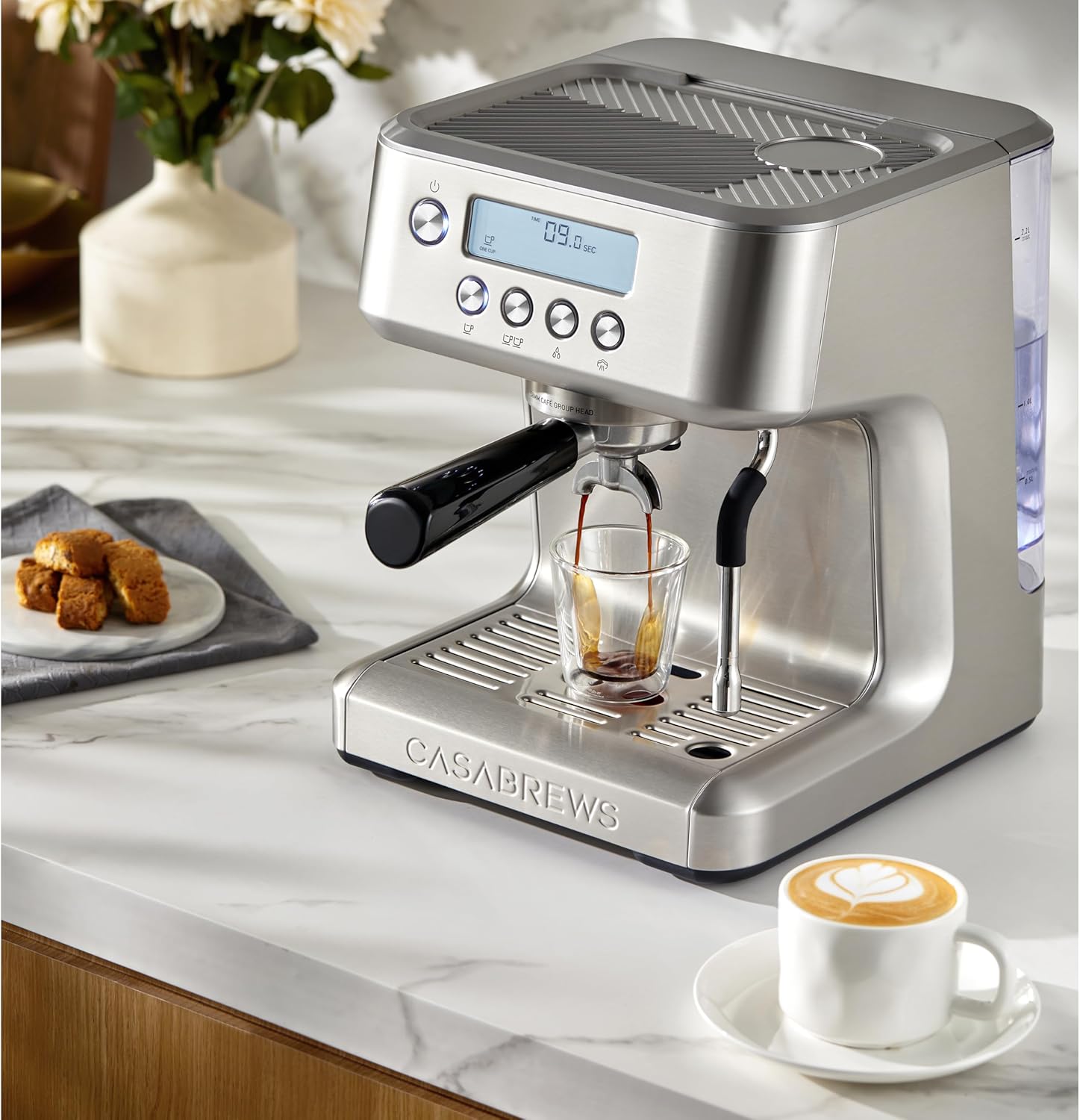
The ability of a coffee grinder to accommodate different brewing methods is a critical factor for users who experiment with multiple techniques. A versatile grinder should provide consistent grind settings for pour-over, French press, and espresso, each requiring specific particle sizes to achieve optimal extraction. For instance, pour-over methods typically require a medium-fine grind to allow for even water flow, while French presses benefit from a coarser grind to prevent over-extraction. Espresso machines, on the other hand, demand a very fine grind to ensure proper pressure and extraction in the portafilter.
Grind consistency is essential for achieving balanced extraction, and a high-quality grinder should minimize variations in particle size. This is particularly important for users who switch between brewing methods, as inconsistent grinds can lead to under- or over-extraction, affecting the overall flavor profile. Additionally, the grinder’s ability to maintain grind uniformity over time is a key indicator of its reliability and performance. For those who prioritize versatility, a grinder with multiple pre-set modes or adjustable settings can offer greater control and flexibility in their brewing process.
Adjustable Grind Settings and Customization
Adjustable grind settings allow users to tailor the grind size to their specific brewing preferences and equipment requirements. Most modern grinders offer 10–15 settings, enabling precise control over the grind texture. This level of customization is beneficial for users who want to fine-tune their coffee extraction, whether they’re using a manual pour-over device or a high-end espresso machine. The ability to adjust the grind size also accommodates variations in bean type, roast level, and brewing method, ensuring that each cup is optimized for flavor and aroma.
For example, a medium grind is ideal for drip coffee makers, while a finer grind is necessary for espresso. Users who frequently switch between brewing methods may find a grinder with multiple pre-set modes particularly useful, as it eliminates the need for manual adjustments. However, the complexity of these settings can be a drawback for beginners, as understanding the relationship between grind size and extraction requires some knowledge of coffee science. Overall, adjustable settings enhance the versatility of a grinder, making it a valuable feature for users who prioritize customization.
Compatibility with Different Coffee Bean Types
A quality coffee grinder should be capable of handling various coffee bean types, including whole bean, pre-ground, and specialty blends. Whole bean grinding is preferred for preserving the coffee’s natural oils and aroma, as pre-ground coffee tends to lose its freshness more quickly. Grinders with a dedicated whole bean compartment or a separate grinding chamber can help maintain the integrity of the beans during the grinding process.
The material of the grinding chamber also plays a role in preserving coffee quality. Stainless steel and ceramic grinders are generally more effective at minimizing heat buildup, which can degrade the coffee’s flavor. Additionally, the grinding mechanism—whether it’s a burr or blade system—can influence the consistency of the grind. Burr grinders are typically more precise and are recommended for users who want to achieve a uniform grind size. However, blade grinders may be more suitable for casual users who prioritize simplicity and affordability.
Pre-Set Modes for Different Brewing Techniques
Many coffee grinders offer pre-set modes for common brewing techniques, such as pour-over, French press, and espresso. These modes simplify the brewing process by automatically adjusting the grind size to match the specific requirements of each method. For example, a pre-set mode for French press may produce a coarser grind, while a pre-set mode for espresso may adjust to a finer texture. This feature is particularly beneficial for users who are new to brewing or those who want to streamline their workflow.
The presence of pre-set modes can also enhance the user experience by reducing the need for manual adjustments. However, users who prefer a more hands-on approach may find these modes limiting, as they may not offer the same level of customization as adjustable settings. Overall, pre-set modes provide convenience and consistency, making them a valuable feature for users who prioritize ease of use and reliability.
Ease of Use and Workflow Efficiency
A coffee grinder’s ease of use is a crucial factor for users who want to streamline their brewing process. The design and functionality of the grinder should allow for quick and efficient operation, minimizing the time spent on preparation and cleanup. A user-friendly interface, intuitive controls, and ergonomic design can significantly enhance the overall experience, making the grinder more accessible to both beginners and experienced brewers.
The workflow efficiency of a grinder is also influenced by its design features, such as the ease of loading and unloading beans, the accessibility of the grinding chamber, and the simplicity of cleaning. A grinder that allows for quick bean loading and easy removal can reduce preparation time, making it more convenient for daily use. Additionally, the presence of a removable grinding chamber or a self-cleaning function can make maintenance more straightforward, ensuring that the grinder remains in optimal condition over time.
Intuitive Controls and User Interface
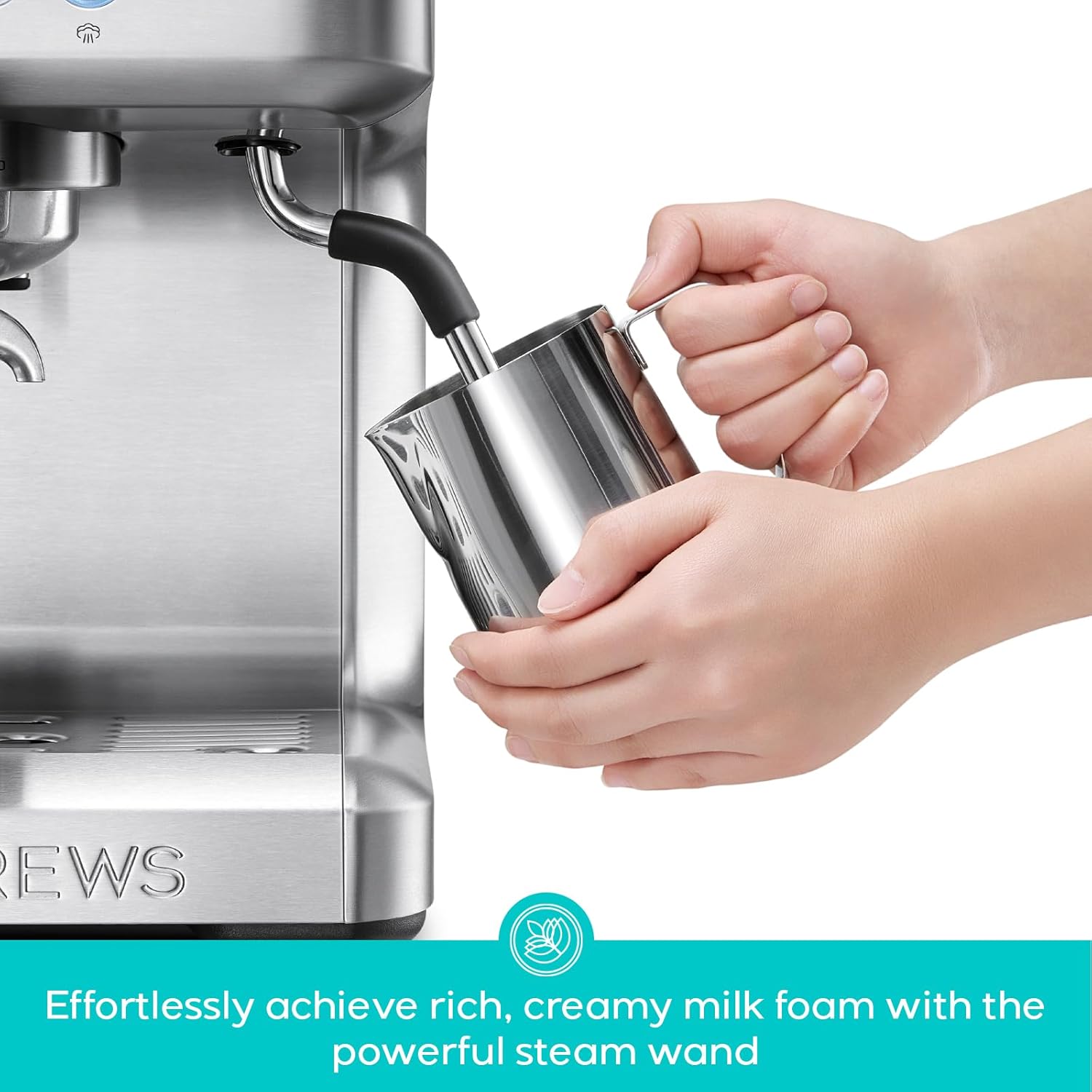
A well-designed coffee grinder should feature intuitive controls that allow users to easily adjust settings without confusion. This includes clear indicators for grind size, a simple dial or button system for adjusting settings, and a straightforward interface for activating the grinding process. For users who are not familiar with coffee science, a grinder with visual or tactile feedback can help them understand the optimal grind size for their brewing method.
The placement of controls is also important for usability. A grinder with controls that are easily accessible while holding the device can enhance the user experience, especially for those who prefer a one-handed operation. Additionally, the inclusion of a locking mechanism or a secure lid can prevent accidental activation during storage or transport, ensuring that the grinder remains safe and functional.
Ergonomic Design and Accessibility
Ergonomic design plays a significant role in the overall usability of a coffee grinder. A well-designed grinder should be comfortable to handle, with a balanced weight distribution and a grip that prevents slippage. The height and angle of the grinding chamber can also affect usability, as a lower chamber may be more accessible for users with limited mobility or those who prefer a compact design.
The accessibility of the grinding chamber is another important consideration. A grinder with a removable or easily accessible chamber can make it easier to load and unload beans, reducing the time spent on preparation. Additionally, the design of the grinding chamber should allow for efficient airflow, preventing the buildup of heat or moisture that can affect the quality of the grind. These ergonomic and accessibility features contribute to a more seamless and enjoyable brewing experience.
Simplified Cleaning and Maintenance
Cleaning and maintenance are essential aspects of a coffee grinder’s usability, as they directly impact its longevity and performance. A grinder that is easy to clean can save users time and effort, especially for those who use it frequently. The design of the grinding chamber, the material of the components, and the availability of removable parts all play a role in determining how easy it is to maintain the grinder.
Grinders with removable grinding chambers or self-cleaning functions can significantly reduce the time required for maintenance. For example, a grinder with a removable filter or a self-cleaning cycle can help users quickly remove coffee residue and debris, ensuring that the grinder remains in optimal condition. Additionally, the use of materials that are resistant to staining or odors can enhance the cleaning process, making it more efficient and effective.
The presence of a dedicated cleaning compartment or a brush for removing coffee grounds can also improve the maintenance process. Users who prioritize simplicity and efficiency may prefer a grinder with minimal cleaning requirements, as it reduces the hassle of regular maintenance. Overall, a grinder that is easy to clean and maintain contributes to a more convenient and sustainable brewing experience.
Temperature Control and Heat Stability
Temperature stability is a critical factor in the performance of a coffee grinder, as excessive heat can degrade the quality of the coffee beans and affect the final cup. The grinding process generates heat due to friction between the grinding components, which can lead to the loss of volatile compounds that contribute to the coffee’s aroma and flavor. A grinder with effective heat management can help preserve the integrity of the beans, ensuring that the final product remains fresh and flavorful.
The materials used in the construction of a coffee grinder can influence its heat retention and dissipation. Grinders made from stainless steel or ceramic are generally more effective at dissipating heat compared to those made from plastic, which can retain heat and potentially affect the grinding process. Additionally, the design of the grinding chamber and the presence of heat-dissipating features can play a role in maintaining optimal temperature conditions during operation.
Heat Dissipation and Material Impact
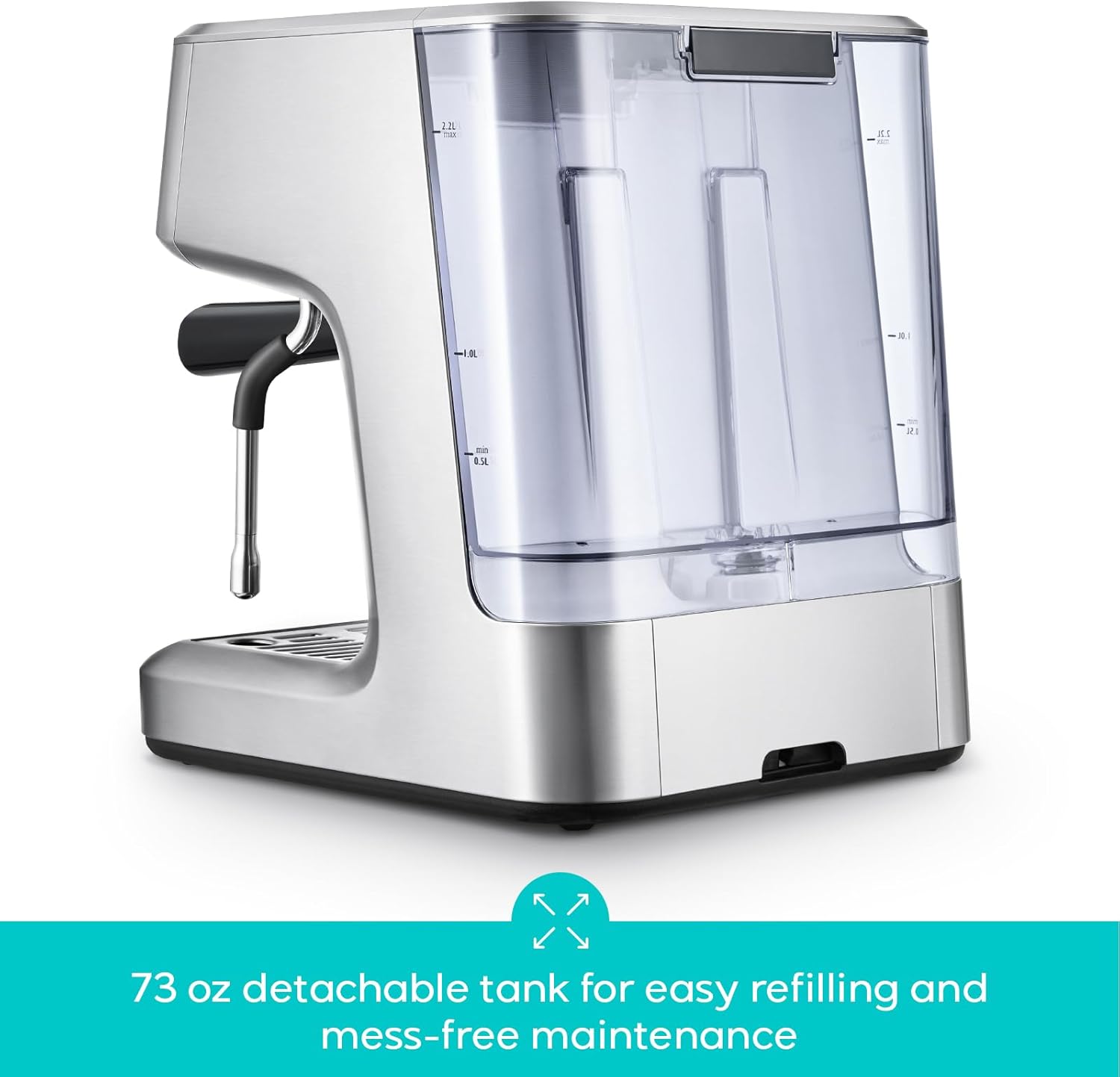
The ability of a coffee grinder to dissipate heat is a key consideration for users who want to maintain the quality of their coffee. Grinders made from materials with high thermal conductivity, such as stainless steel or ceramic, are more effective at transferring heat away from the grinding chamber. This helps prevent the buildup of excessive heat, which can negatively impact the coffee’s flavor and aroma. In contrast, grinders made from materials with poor thermal conductivity, such as some plastics, may retain heat, leading to a less optimal grinding experience.
The design of the grinding chamber also plays a role in heat management. A well-ventilated chamber or the inclusion of heat-dissipating features, such as cooling fins or air vents, can help regulate the temperature during operation. These design elements are particularly beneficial for users who grind large quantities of coffee frequently, as they can prevent the buildup of heat that may affect the grinding process and the quality of the final product.
Optimal Operating Temperatures for Coffee Grinders
Maintaining an optimal operating temperature is essential for ensuring the longevity and performance of a coffee grinder. The ideal temperature range for grinding coffee is typically between 20°C and 30°C (68°F to 86°F), as this range allows for efficient grinding without causing excessive heat buildup. Grinders that operate within this range are less likely to degrade the quality of the coffee beans and can provide a more consistent grind size.
Users who live in warmer climates or those who use their grinders frequently may need to consider additional cooling mechanisms, such as built-in fans or heat-resistant materials, to maintain optimal operating temperatures. These features can help prevent the degradation of coffee quality and extend the lifespan of the grinder. Additionally, the use of a dedicated cooling compartment or a heat-dissipating base can further enhance the grinder’s ability to maintain stable temperatures during operation.
Impact of Heat on Coffee Quality
Excessive heat during the grinding process can have a detrimental effect on the quality of the coffee. High temperatures can cause the volatile compounds in the beans to evaporate, leading to a loss of aroma and flavor. This is particularly important for users who prioritize the preservation of the coffee’s natural characteristics, as the grinding process can significantly impact the final cup.
To mitigate the effects of heat, users should consider the type of grinder they choose and how it manages temperature during operation. Grinders with advanced heat-dissipating features or those made from materials that effectively transfer heat away from the grinding chamber can help preserve the coffee’s quality. Additionally, the frequency of use and the amount of coffee being ground can influence the need for heat management, as frequent use may generate more heat than occasional use.
Capacity and Serving Flexibility
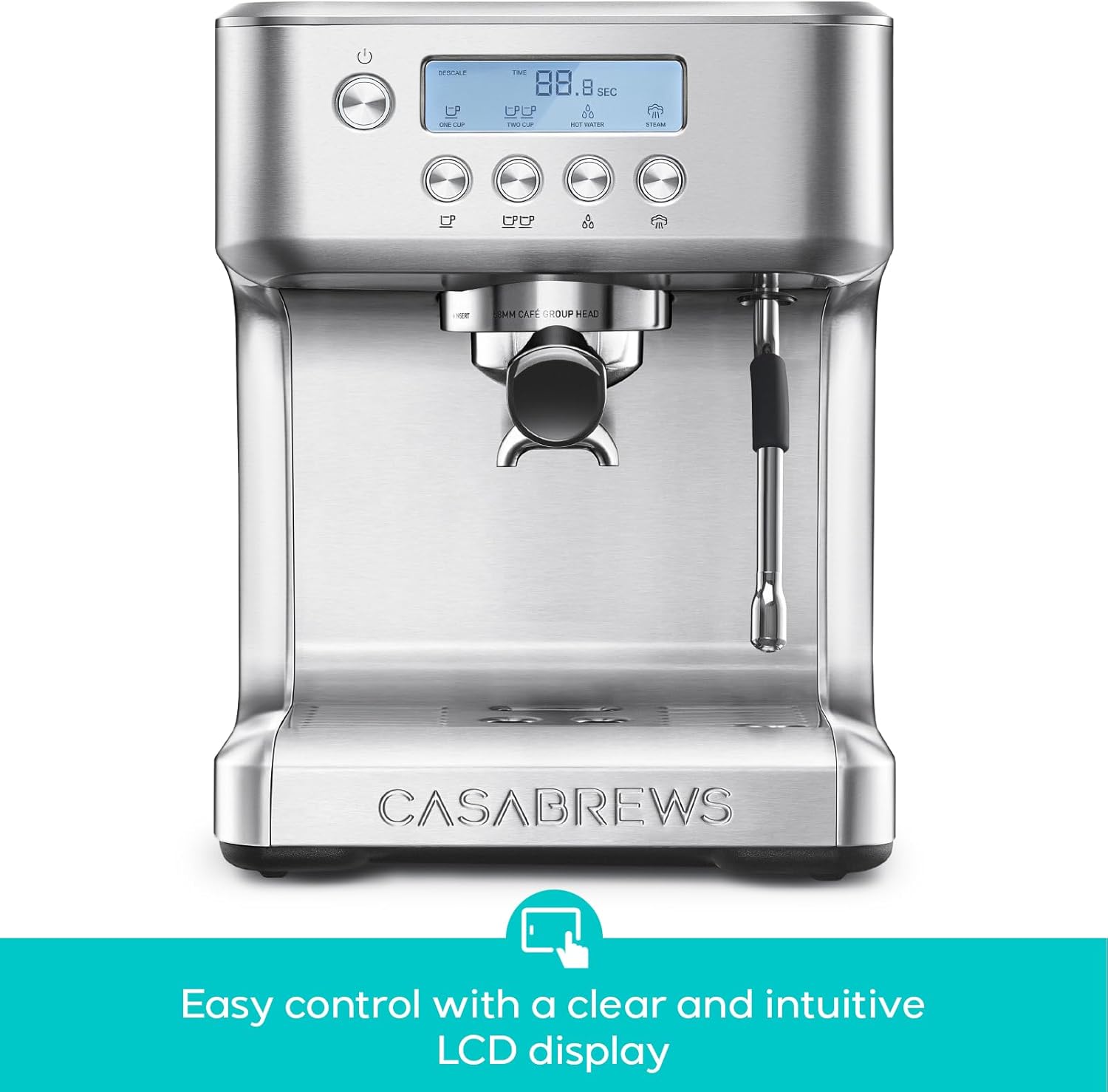
The capacity of a coffee grinder is an essential factor for users who want to prepare multiple servings or brew coffee in larger quantities. A grinder with a high capacity can accommodate the needs of households with multiple users or those who host regular gatherings. The ability to grind large quantities of coffee efficiently can save time and effort, making the brewing process more convenient for frequent users.
Serving flexibility is another important consideration, as it determines how the grinder can be integrated into a user’s daily routine. A versatile grinder should be able to handle different serving sizes, from single servings to multiple cups, depending on the user’s needs. This flexibility is particularly beneficial for users who want to prepare coffee in advance or adjust the quantity based on the number of people they’re serving.
Adjustable Batch Sizes and Servings
Adjustable batch sizes allow users to customize the amount of coffee they grind, making the grinder suitable for a variety of serving needs. A high-capacity grinder with adjustable settings can accommodate both single-serve and multi-serve brewing methods, ensuring that the user can prepare the right amount of coffee for their specific requirements. This feature is particularly useful for users who want to experiment with different brewing techniques or adjust the quantity based on the number of people they’re serving.
The ability to adjust the batch size is also beneficial for users who want to prepare coffee in advance, such as for a morning batch or a batch for the week. A grinder that allows for quick and efficient batch preparation can save time and effort, making it a practical choice for frequent users. Additionally, the presence of a dedicated storage compartment for ground coffee can help maintain freshness and prevent the coffee from becoming stale.
Compatibility with Different Brewing Quantities
A coffee grinder should be compatible with different brewing quantities to accommodate the needs of various users. Whether you’re preparing a single cup of coffee for yourself or a large batch for a group, the grinder should be able to handle the required quantity without compromising the quality of the grind. This compatibility is particularly important for users who want to prepare coffee in advance or adjust the quantity based on the number of people they’re serving.
The design of the grinder should allow for efficient grinding of larger quantities without affecting the consistency of the grind size. A grinder with a high-capacity grinding chamber and a powerful motor can handle larger batches more effectively, ensuring that the coffee is ground uniformly. This is particularly beneficial for users who want to prepare coffee for multiple servings or those who host regular gatherings.
Storage and Freshness Preservation
The ability to store ground coffee effectively is an important consideration for users who want to maintain the freshness of their coffee. A high-capacity grinder with a dedicated storage compartment can help preserve the freshness of the ground coffee, preventing it from becoming stale or losing its aroma. This feature is particularly beneficial for users who prepare coffee in advance or want to store it for later use.
The storage compartment should be designed to keep the ground coffee away from moisture and air, which can cause it to degrade over time. A grinder with airtight storage compartments or a dedicated container for ground coffee can help maintain the quality of the coffee, ensuring that it remains fresh and flavorful. Additionally, the presence of a cooling feature or a heat-dissipating design can further enhance the freshness of the stored coffee, making it a valuable feature for users who prioritize quality.
Pros & Cons
Pros
- Consistent Grind Size: The adjustable settings ensure uniform particle size, which is essential for balanced extraction across different brewing methods. This consistency helps maintain the flavor profile of the coffee, making it ideal for users who prioritize precision in their brewing process.
- Versatile Brewing Compatibility: The grinder is designed to accommodate a wide range of brewing techniques, including pour-over, French press, and espresso. This versatility makes it a practical choice for users who experiment with different methods or have multiple brewing preferences.
- Durable Construction: Made from high-quality materials such as stainless steel and ceramic, the grinder is built to withstand regular use. This durability ensures long-term reliability, reducing the need for frequent replacements or repairs.
- Easy to Clean: The design of the grinder allows for simple and efficient cleaning, with removable parts that can be easily disassembled for maintenance. This feature is particularly beneficial for users who want to keep their equipment in optimal condition without spending excessive time on cleaning.
- User-Friendly Interface: The intuitive controls and clear indicators make it easy for users to adjust settings without confusion. This simplicity enhances the overall user experience, making the grinder accessible to both beginners and experienced brewers.
- Efficient Heat Management: The materials and design features of the grinder help dissipate heat effectively, preserving the quality of the coffee beans and ensuring a more consistent grinding process. This is particularly important for users who grind large quantities of coffee frequently.
- Compact Design: The grinder’s compact size makes it suitable for small spaces, such as apartments or kitchens with limited counter space. This design allows for easy storage and efficient use without taking up excessive room.
- Energy Efficiency: The grinder is designed to operate efficiently, reducing energy consumption without compromising performance. This feature is beneficial for users who are conscious about their energy usage and want to minimize their environmental impact.
Cons
- Learning Curve for Adjustments: While the adjustable settings offer customization, they may require some time to understand how different grind sizes affect the brewing process. This learning curve could be a drawback for users who prefer a more straightforward operation without complex settings.
- Noise During Operation: Some users may find the grinding process to be noisy, which could be a concern for those who prefer a quieter environment. This noise level may affect the overall user experience, especially in shared living spaces.
- Limited Pre-Set Modes: Although the grinder offers adjustable settings, it may lack pre-set modes for specific brewing techniques, which could limit the convenience for users who want to streamline their workflow.
- Higher Initial Cost: Compared to basic models, the grinder may have a higher price point, which could be a consideration for budget-conscious users who are looking for more affordable options.
- Potential for Overheating: Despite heat management features, there is a risk of overheating if the grinder is used for extended periods or in high-temperature environments. Users should be mindful of this to maintain optimal performance and coffee quality.
- Limited Storage Capacity for Ground Coffee: The storage compartment may not be sufficient for users who need to store large quantities of ground coffee, which could lead to the coffee becoming stale or losing its freshness if not used promptly.
Final Verdict: Who This Product Is Best For (and Who Should Skip It)
This coffee grinder is best suited for home brewers and coffee enthusiasts who prioritize precision, versatility, and durability. Its ability to accommodate various brewing methods and deliver consistent grind sizes makes it an excellent choice for users who want to experiment with different techniques or have specific preferences. The durable construction and easy-to-clean design also make it ideal for households with multiple users or those who use the grinder frequently.
However, this product may not be the best fit for users who prefer a simpler, more straightforward operation without complex settings. The learning curve associated with adjusting the grind settings could be a drawback for beginners or those who are not interested in fine-tuning their brewing process. Additionally, the higher initial cost may be a consideration for budget-conscious buyers who are looking for more affordable options. Overall, this grinder is a valuable investment for those who value quality, versatility, and long-term reliability in their coffee brewing equipment.
Frequently Asked Questions (FAQs)
How does the adjustable grind setting affect the brewing process?
Adjustable grind settings allow users to customize the grind size based on their brewing method, ensuring optimal extraction. A finer grind is suitable for espresso, while a coarser grind works better for French press or pour-over methods. This flexibility helps users achieve a balanced flavor profile tailored to their preferences.
Is this grinder easy to clean?
Yes, the grinder features removable parts that make cleaning straightforward. The design allows for efficient removal of coffee residue, and the materials used are resistant to staining, making maintenance simple and effective.
Can this grinder handle different coffee bean types?
The grinder is designed to accommodate various coffee bean types, including whole beans and pre-ground coffee. Its durable construction and heat-dissipating materials help preserve the integrity of the beans during the grinding process.
What is the best way to store ground coffee to maintain freshness?
Ground coffee should be stored in an airtight container to prevent exposure to moisture and air. The grinder’s dedicated storage compartment helps maintain freshness, ensuring the coffee remains flavorful and aromatic for longer.
How does the grinder manage heat during operation?
The grinder uses materials with high thermal conductivity, such as stainless steel and ceramic, to dissipate heat effectively. This helps preserve the quality of the coffee beans and ensures a consistent grinding process.
Is this grinder suitable for small spaces?
Yes, the compact design of the grinder makes it ideal for small kitchens or apartments. Its size allows for easy storage without taking up excessive counter space, making it a practical choice for users with limited space.
What are the benefits of pre-set modes for brewing techniques?
Pre-set modes simplify the brewing process by automatically adjusting the grind size to match specific techniques like pour-over or French press. This feature enhances convenience and ensures consistent results without the need for manual adjustments.