
Coffee grinders: burr size, burr shape, and the grind range
A grinder decides more of the cup than the machine does. Its specification sheet is short — burr type, burr size, settings, motor — and every line of it maps onto which brew methods it can serve.
What the category is
Burr grinders crush beans between two rings or cones at a set distance, which is what makes the grind even; they are the only kind worth a review. Blade grinders chop, and are listed on this site only to say so. Within burr grinders the split is electric or hand, and conical or flat.
How to read the spec sheet
Burr type and diameter: conical burrs run 38 to 48 mm on home grinders and 63 mm and up on prosumer; flat burrs run 50 to 64 mm and more. Bigger burrs grind faster and cooler; flat burrs tend to a more uniform grind, conical to a more forgiving one. The sheet names both, and a review says what the size means for espresso.
Grind settings and range: the number of settings matters less than whether the range reaches espresso fineness at one end and French press at the other. Stepless adjustment is the espresso feature; a stepped dial with 40 settings is a filter grinder.
Motor and speed: wattage and rpm, where stated. A slow, geared motor keeps the beans cool; a fast one is loud and warms the grind.
Retention and single-dosing: how much coffee stays inside between grinds is the specification that decides whether yesterday’s beans end up in today’s cup. Manufacturers who state it in grams are the ones proud of it.
Hopper and dosing: hopper capacity, a timer or a weight-based dose, and whether it grinds straight into a portafilter.
Hand grinders quote burr size, adjustment type and capacity, and are read on the same terms; a 38 mm steel conical hand grinder can out-grind a cheap electric.
Who it suits
Anyone who owns an espresso machine and has not yet bought a grinder, first. Then anyone who drinks filter coffee and buys whole beans. A hand grinder for one cup at a time and for travel; an electric for a household.
Who should skip it
Anyone who buys ground coffee or uses a pod machine has no use for one. A blade grinder is not an alternative; it is a different, worse product with the same name.
Where to start
Six of the 112 coffee grinders brewing appliances reviewed on this site, one per model, across manufacturers. Every review is written from the manufacturer’s published specifications — how, and what that leaves out.
- Breville Smart Grinder Pro
- Delonghi Stainless Steel Burr Coffee Grinder
- Cuisinart Automatic Grind & Brew Coffee Maker
- Hamilton Beach Custom Grind Coffee Grinder
- Mr. Coffee Automatic Burr Mill Coffee Grinder
- Technivorm Moccamaster KM5 Burr Coffee Grinder
All 112 coffee grinders coffee maker reviews
Newest first. Consumables, accessories and parts that were once filed here are excluded.
-
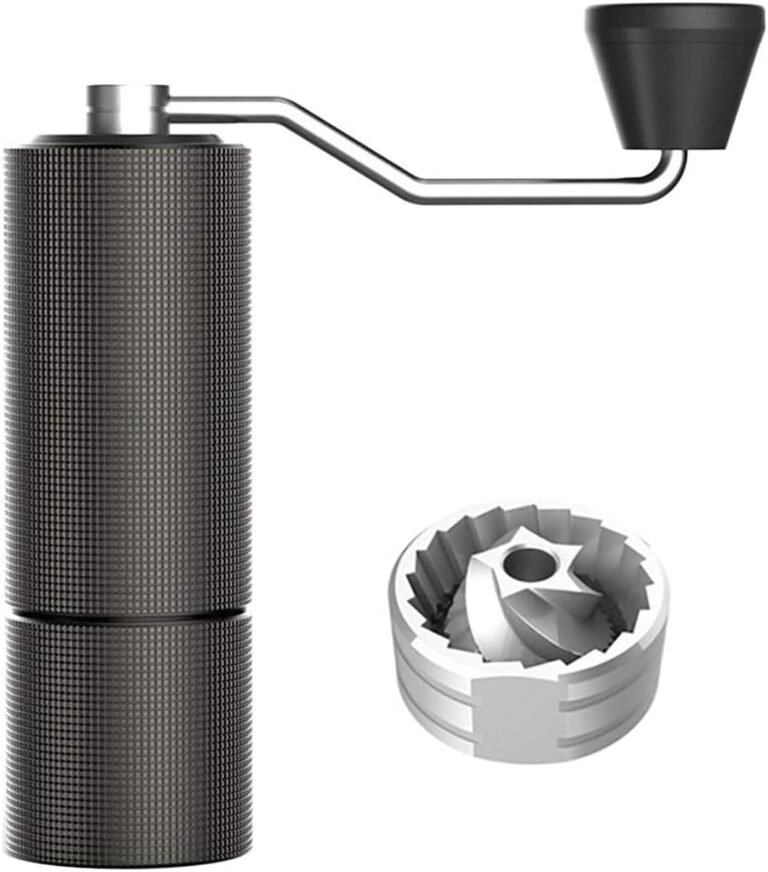
TIMEMORE Chestnut C2 Manual Coffee Grinder Review: Precision Grind for Home & Outdoor Brewing
Evaluate the TIMEMORE Chestnut C2 manual coffee grinder for its precision grind, portability, and compatibility with French press, pour-over, and moka pot…
-
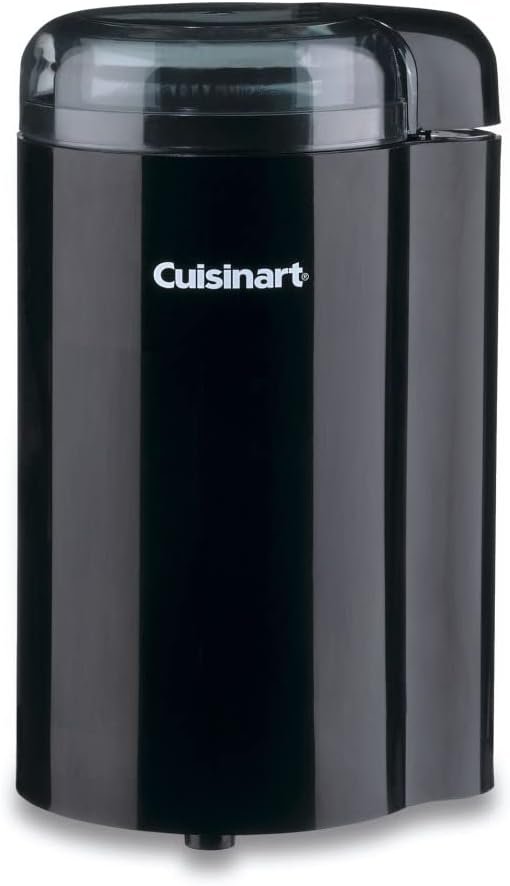
Cuisinart DCG-20BKN Grinder Review: Capacity, Ease & Fit
Cuisinart DCG-20BKN blade grinder overview: 12-cup capacity, stainless-steel blades, simple on/off workflow, cleaning expectations, and ideal user profiles.
-

XinXu Gravity Electric Pepper and Salt Grinder Set: Adjustable Coarseness, Battery Powered, Black – 2 Pack
A convenient, battery-powered pepper and salt grinder with adjustable coarseness and LED lighting for easy use in home kitchens and outdoor settings.
-
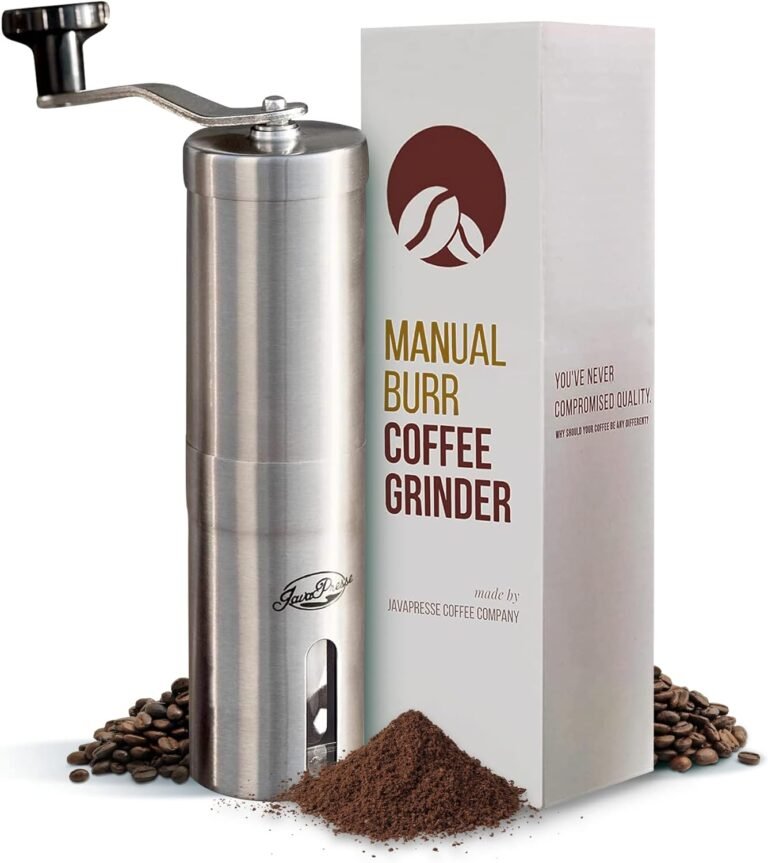
JavaPresse Manual Coffee Grinder Review: Precision Grind for Travelers and Home Brewers
The JavaPresse Manual Coffee Grinder offers 18 adjustable ceramic burr settings for precise grind control. Ideal for camping, travel, and home brewing,…