Compact Espresso Machine for Capsules: Best for Home Brewers
The Importance of Coffee Equipment in Home Brewing
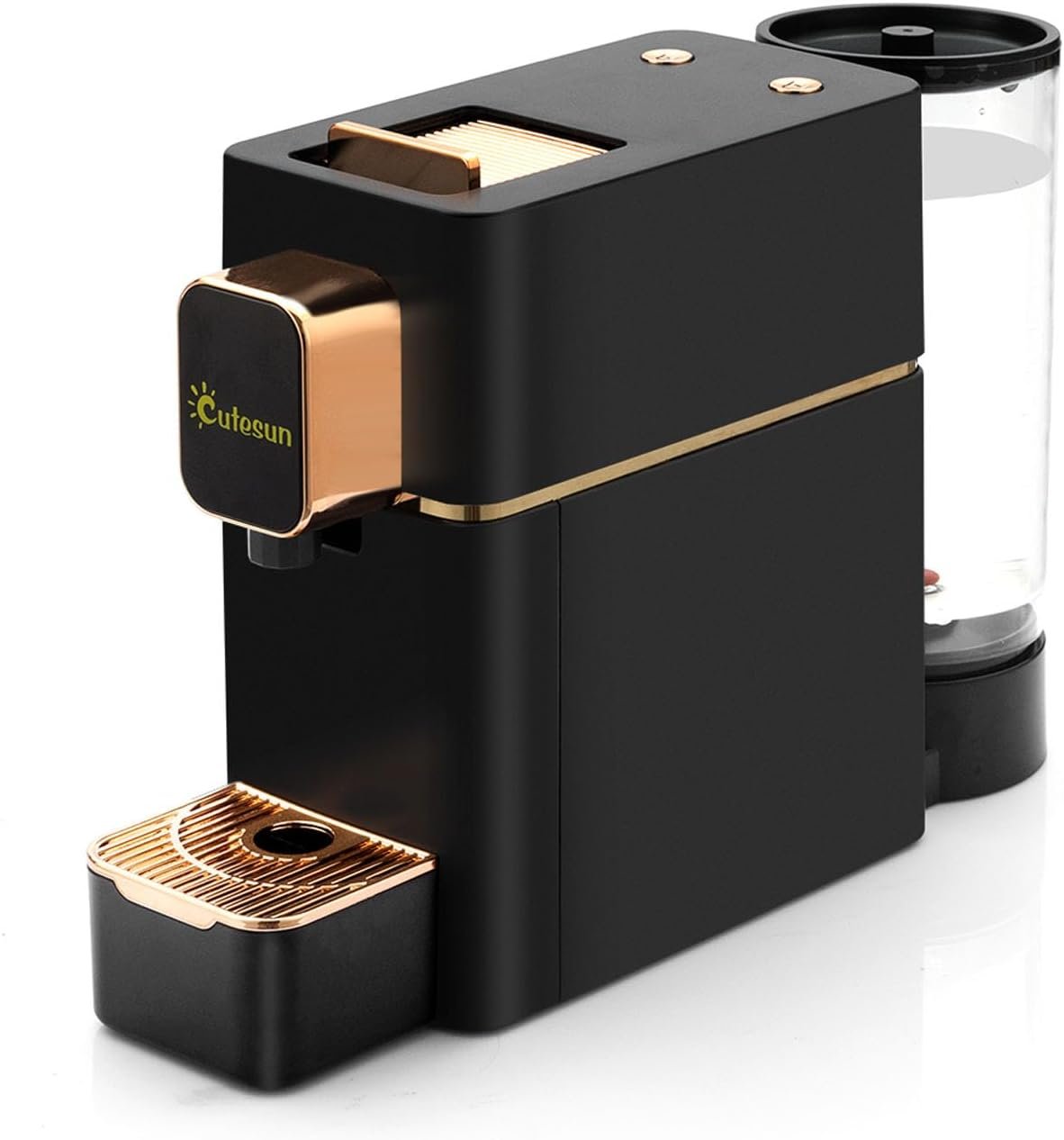
In the world of coffee and tea preparation, the right equipment can make a significant difference in achieving consistent, high-quality results. Whether you’re a casual home brewer or a dedicated enthusiast, the choice of coffee machine shapes the extraction process, flavor profile, and overall user experience. Modern espresso machines, in particular, have evolved to balance convenience with precision, catering to a growing demand for single-serve brewing. This review focuses on the compact espresso machine compatible with Nespresso OriginalLine capsules, a product designed for users seeking efficient, reliable espresso preparation without the complexity of traditional machines. Its integration of advanced brewing technology, compatibility with multiple capsule brands, and streamlined operation make it a compelling option for households and offices. By examining its technical specifications, brewing performance, and user considerations, this analysis provides a data-driven evaluation of its strengths and limitations for informed purchasing decisions.
Quick Overview
| Feature | Details |
|---|---|
| Product Category | Single-serve espresso machine |
| Brewing Method | Capsule-based with pressurized extraction |
| Capacity | 800 milliliters |
| Output | 2 oz. (Espresso) and 4.2 oz. (Lungo) |
| Materials | Metallic exterior, durable plastic components |
| Pressure System | 19 BAR (135 PSI) high-performance pump |
| Temperature Control | Patented brewing system with 90-92°C constant temperature |
| Compatibility | Nespresso OriginalLine, Bestpresso, Gourmesso, and other capsule brands |
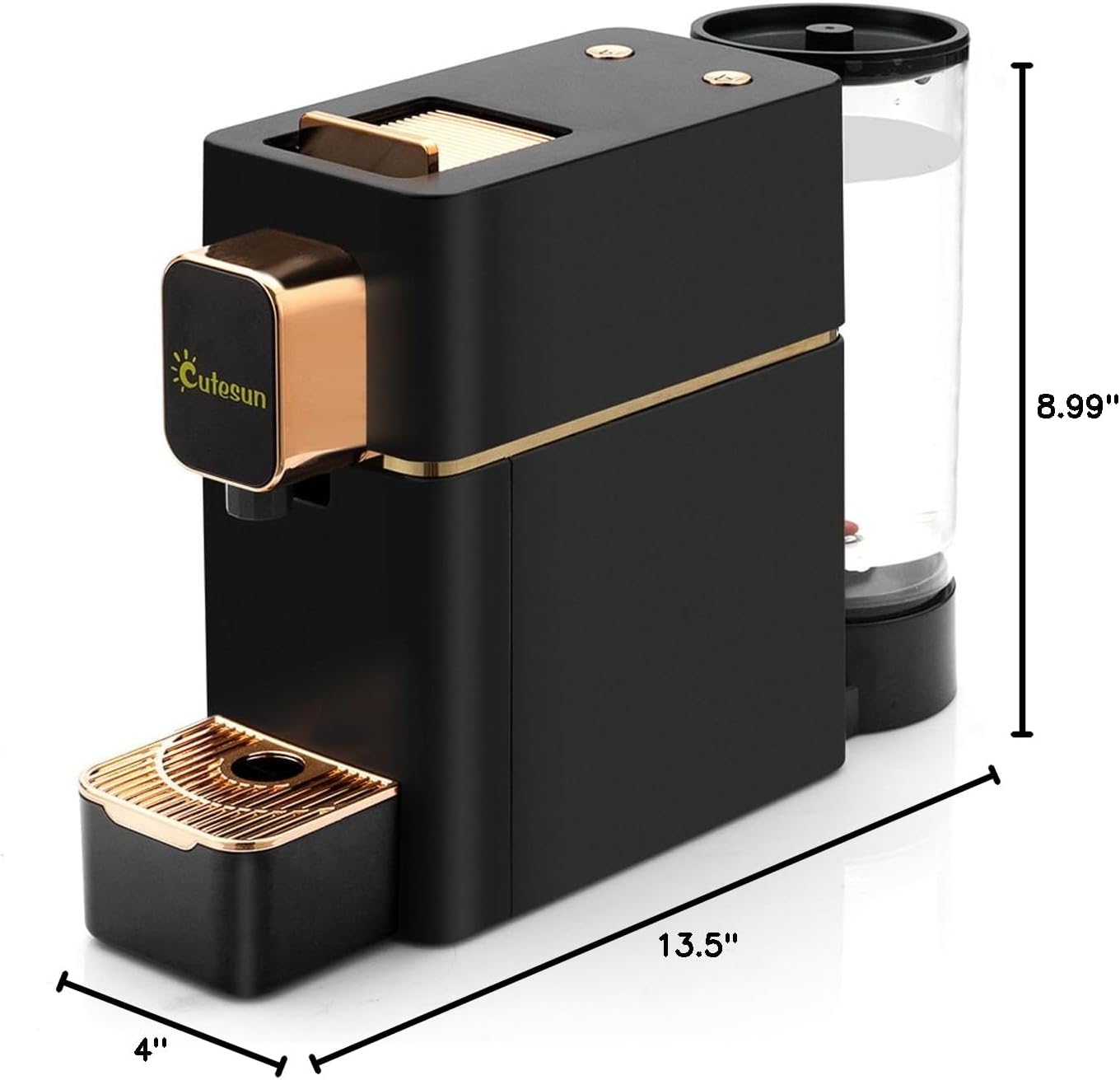
| Dimensions | 13.5″D x 4″W x 8.99″H |
| Power Source | AC adapter (110 Volts) |
| Cleaning | Removable 0.8 L water tank, automatic power-off |
The combination of a high-pressure pump, precise temperature control, and capsule compatibility ensures a consistent extraction process. The machine’s design prioritizes user convenience, with programmable settings and a compact footprint that suits small spaces. These features collectively influence the brewing outcome, balancing speed with the ability to produce a rich, aromatic espresso.

Brewing Method Compatibility and Capsule Flexibility
The ability to use a variety of capsule brands is a defining characteristic of this espresso machine, offering users flexibility in their coffee selection. The machine’s compatibility with Nespresso OriginalLine, Bestpresso, Gourmesso, and other capsule types means it can accommodate different roast profiles, grind sizes, and flavor notes. This versatility is particularly valuable for consumers who prefer to experiment with different coffee origins or brewing techniques without investing in multiple machines. However, the reliance on capsule-based brewing also introduces limitations compared to traditional portafilter systems, which allow for direct control over grind consistency and tamping pressure. The machine’s patented brewing system compensates for this by maintaining a consistent extraction temperature, ensuring that the flavor profile remains stable across different capsule types. This design choice makes it an ideal option for users who prioritize convenience over manual customization.
Capsule Brand Compatibility and Flavor Consistency
The machine’s compatibility with multiple capsule brands is a key selling point, but it also raises questions about how well it maintains flavor consistency. Capsules vary in their composition, including the type of coffee bean, roast level, and packaging materials, which can affect the extraction process. The machine’s patented brewing system addresses this by maintaining a constant temperature range of 90-92°C, which is optimal for espresso extraction. This temperature stability ensures that the water interacts evenly with the coffee grounds, minimizing the risk of under-extraction or over-extraction. However, the absence of manual control over grind size means that the quality of the capsule itself becomes a critical factor in the final cup. Users who prioritize precision may find this limitation restrictive, but for those who value simplicity and variety, the machine’s compatibility with different brands offers a practical advantage.
Impact of Capsule Type on Extraction Efficiency
The type of capsule used can significantly influence the extraction efficiency and overall quality of the espresso. Capsules with a higher density of coffee grounds may require slightly longer brewing times to achieve optimal extraction, while lighter capsules may result in a more concentrated brew. The machine’s 19 BAR pressure system is designed to accommodate these variations by forcing water through the coffee bed at a consistent rate. This ensures that even capsules with different grind densities are processed effectively, producing a balanced shot of espresso. However, the machine’s inability to adjust pressure manually means that users must rely on the capsule’s inherent characteristics to achieve the desired flavor. This limitation is a trade-off for the machine’s ease of use, making it a suitable choice for users who prefer a hands-off approach to brewing.
Temperature Control and Heat Stability
Maintaining a consistent brewing temperature is essential for producing a high-quality espresso, as temperature fluctuations can lead to inconsistent extraction and compromised flavor. The machine’s patented brewing system is designed to keep the water temperature within a narrow range of 90-92°C, which is ideal for espresso extraction. This temperature control is achieved through a combination of thermal insulation and a precise heating element that adjusts to maintain the desired range. The result is a more stable brewing environment, reducing the risk of over-extraction, which can lead to bitterness, or under-extraction, which can result in a weak, sour cup. However, the machine’s reliance on a fixed temperature range means that it may not be as adaptable to different coffee bean profiles as a traditional espresso machine with manual temperature adjustment. This makes it a good fit for users who prioritize consistency over customization.

Thermal Insulation and Heat Retention
The machine’s thermal insulation design plays a crucial role in maintaining heat stability during the brewing process. The metallic exterior and internal components are engineered to minimize heat loss, ensuring that the water remains at the optimal temperature throughout the extraction. This design is particularly beneficial for users who want to avoid the need for frequent reboiling or preheating, as it allows the machine to maintain a consistent brewing temperature without additional energy input. However, the lack of a separate heating element for the cup itself means that the espresso may cool slightly during the brewing process, which could affect the perceived intensity of the shot. This is a common trade-off in compact espresso machines, where the focus is on speed and efficiency rather than extended heat retention.
Impact of Temperature on Extraction Quality
Temperature stability directly affects the extraction quality of the espresso, as water that is too hot can over-extract the coffee, leading to a bitter taste, while water that is too cool may under-extract, resulting in a weak, sour cup. The machine’s ability to maintain a consistent temperature range of 9,0-92°C ensures that the extraction process is optimized for most coffee bean profiles. This is particularly important for users who may not have the expertise to adjust brewing parameters manually. However, the fixed temperature range may not be suitable for all types of coffee, especially those with unique roast profiles that require more precise temperature control. This limitation highlights the trade-off between convenience and customization in the design of the machine.
Ease of Use and Workflow Efficiency
A key consideration for users of single-serve espresso machines is the ease of use and workflow efficiency, as these factors directly impact the overall user experience. The machine’s design emphasizes simplicity, with programmable settings for Espresso (2 oz.) and Lungo (4.2 oz.) modes that allow users to select their preferred serving size with minimal effort. The touch-screen interface further enhances usability by providing clear, intuitive controls that eliminate the need for complex adjustments. This streamlined workflow is particularly beneficial for users who prioritize speed and convenience, as it reduces the time required to prepare a cup of espresso. However, the absence of manual controls for grind size or tamping pressure means that users must rely on the capsule’s inherent characteristics to achieve the desired result. This design choice makes the machine an excellent option for casual users who value ease of use over manual customization.

Programmable Settings and User Customization
The machine’s programmable settings for Espresso and Lungo modes offer a level of customization that caters to different user preferences. By allowing users to select their preferred serving size, the machine ensures that each cup is tailored to their individual taste. This feature is particularly useful for users who may want to experiment with different coffee strengths or enjoy a longer, more diluted Lungo shot. However, the limited customization options mean that users cannot fine-tune parameters such as extraction time or pressure, which are typically adjusted in more advanced espresso machines. This trade-off is a key consideration for users who may prefer a more hands-on approach to brewing.
Touch-Screen Interface and Operational Simplicity
The touch-screen interface is another key feature that contributes to the machine’s ease of use. This interface provides clear, visual feedback to users, making it easier to navigate the machine’s settings and monitor the brewing process. The simplicity of the interface ensures that even novice users can operate the machine with minimal effort, reducing the learning curve associated with espresso brewing. However, the reliance on a touch-screen interface may not be as reliable as physical buttons in some environments, particularly if the machine is used in a setting with frequent temperature changes or moisture exposure. This limitation is a minor concern for most users, but it is worth noting for those who prefer tactile controls.
Cleaning and Maintenance Expectations
The maintenance requirements of an espresso machine play a significant role in its long-term usability and performance. This machine is designed with user-friendly cleaning features that simplify the maintenance process, including a removable 0.8 L water tank for easy cleaning and an automatic power-off function that conserves energy. These features are particularly beneficial for users who may not have the time or expertise to perform complex maintenance tasks. However, the reliance on capsule-based brewing means that the machine does not require grinding or tamping, which reduces the need for frequent descaling or cleaning of internal components. This design choice makes the machine an ideal option for users who prioritize low-maintenance operation. Despite these advantages, the absence of a separate water reservoir for the cup means that users must manually clean the cup after each use, which could be a minor inconvenience for frequent users.
Removable Water Tank and Energy Efficiency
The machine’s removable 0.8 L water tank is a key feature that simplifies the cleaning process. This design allows users to easily access and clean the tank without disassembling the entire machine, reducing the time and effort required for maintenance. The automatic power-off function further enhances energy efficiency by turning off the machine after 25 minutes of inactivity, which helps to conserve electricity. These features are particularly beneficial for users who may not have the time or resources to perform regular maintenance tasks. However, the water tank’s capacity may not be sufficient for users who require a higher volume of water for extended use, which could be a consideration for households with multiple users.
Manual Cleaning of the Cup and Internal Components
While the machine’s design minimizes the need for frequent cleaning of internal components, users must still perform manual cleaning of the cup after each use. This is a common requirement for capsule-based espresso machines, as the cup is in direct contact with the brewed coffee and can accumulate residue over time. The absence of a self-cleaning cycle means that users must rely on the machine’s removable components to maintain hygiene. This design choice is a trade-off between simplicity and thoroughness, as it reduces the complexity of maintenance but requires users to be more diligent in cleaning the cup and water tank. For users who prioritize ease of use, this manual cleaning process is a manageable task, but it may be a drawback for those who prefer fully automated maintenance.

Pros & Cons
Pros
- Capsule Compatibility: The machine’s ability to use a wide range of capsule brands, including Nespresso OriginalLine, Bestpresso, and Gourmesso, offers users flexibility in their coffee selection.
- High-Pressure Pump: The 19 BAR (135 PSI) pump ensures efficient extraction, producing a rich and aromatic espresso in just 35 seconds.
- Temperature Stability: The patented brewing system maintains a consistent temperature range of 90-92°C, which is optimal for espresso extraction and flavor consistency.
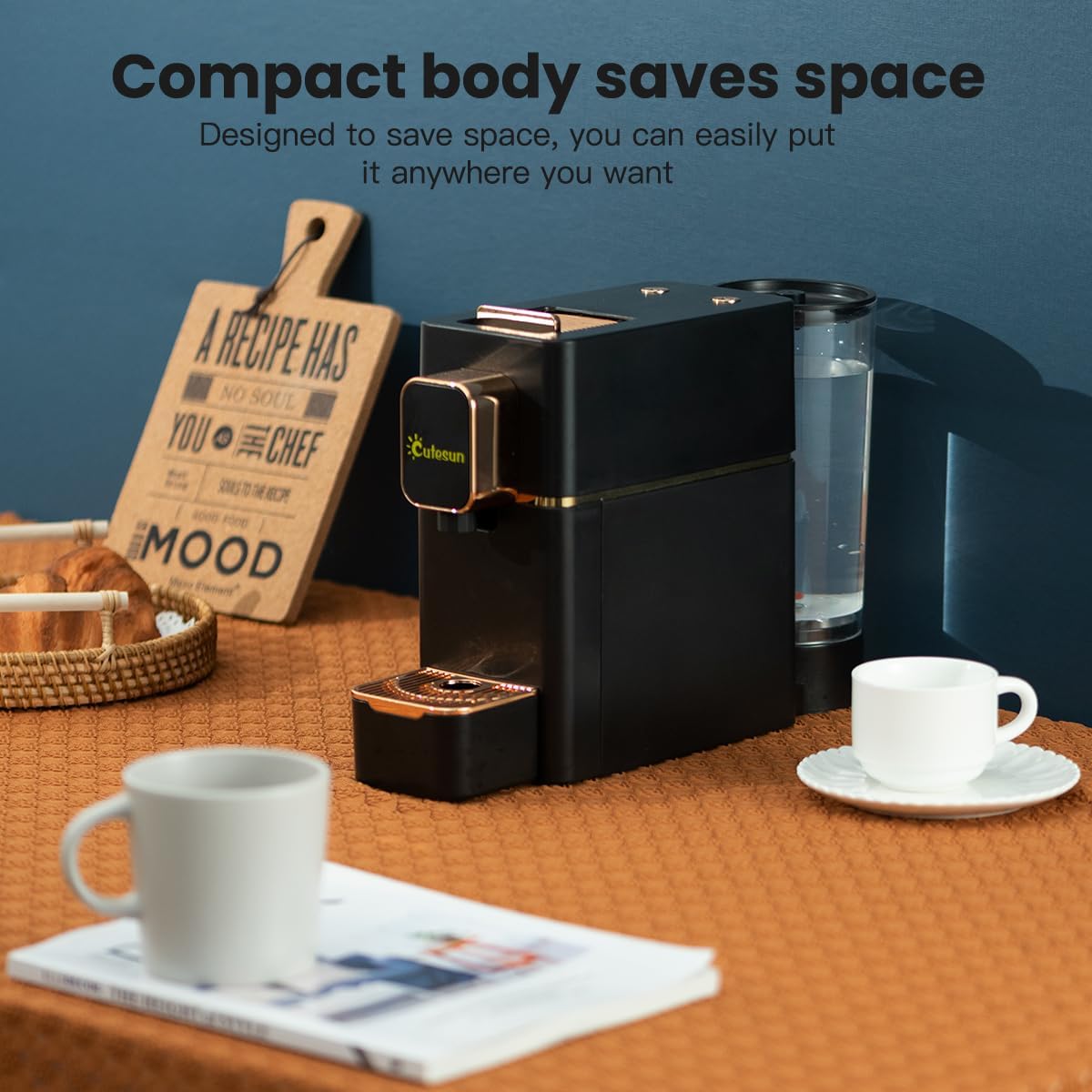
- Compact Design: The machine’s small footprint makes it ideal for kitchens with limited space, while its metallic exterior adds a sleek, modern aesthetic.
- User-Friendly Interface: The touch-screen controls and programmable settings simplify the brewing process, making it accessible for users of all experience levels.
- Energy Efficiency: The automatic power-off feature conserves energy, reducing electricity consumption during periods of inactivity.
- Easy Maintenance: The removable water tank and self-cleaning function make it simple to keep the machine in good working condition.
Cons
- Limited Customization: The machine lacks manual controls for adjusting pressure, temperature, or grind size, which may be a drawback for users who prefer more precise customization.
- Manual Cleaning Required: While the machine’s design minimizes internal maintenance, the cup and water tank require regular manual cleaning, which could be inconvenient for frequent users.
- Capsule Dependency: The reliance on capsules means that users cannot experiment with different grind sizes or brewing techniques, limiting the potential for customization.
- Heat Retention Limitations: The machine’s thermal insulation design may not provide extended heat retention for the cup, which could affect the perceived intensity of the espresso.
- No Warranty Information: The product description does not include specific warranty details, which may be a concern for users seeking long-term reliability.
Final Verdict: Who This Product Is Best For (and Who Should Skip It)
This compact espresso machine is best suited for users who prioritize convenience, speed, and ease of use in their coffee preparation. Its compatibility with a wide range of capsule brands, combined with a high-pressure pump and temperature-stabilized brewing system, makes it an excellent choice for casual home brewers and office environments. The streamlined workflow, user-friendly interface, and energy-efficient design further enhance its appeal for users who value simplicity and efficiency. However, the machine may not be the best fit for users who require greater customization in their brewing process, such as those who prefer manual control over pressure, temperature, or grind size. Additionally, users who are invested in traditional espresso machines or prefer the ability to experiment with different coffee profiles may find the capsule-based system limiting. For those seeking a reliable, low-maintenance option that delivers consistent results without the complexity of manual adjustments, this machine is an ideal choice.

Frequently Asked Questions (FAQs)
Is this espresso machine compatible with Nespresso OriginalLine capsules?
Yes, the machine is specifically designed to work with Nespresso OriginalLine capsules, as well as other compatible brands like Bestpresso, Gourmesso, and Peet’s Espresso. This compatibility allows users to enjoy a variety of coffee profiles without the need for a separate machine.
How long does it take to brew an espresso shot?
The machine’s high-performance pump delivers a 19 BAR (135 PSI) pressure, enabling it to produce a rich espresso shot in just 35 seconds. This rapid brewing time ensures a quick and efficient coffee preparation process.
What temperature range does the machine maintain during brewing?
The patented brewing system ensures a consistent temperature range of 90-92°C, which is optimal for espresso extraction. This temperature stability helps to produce a balanced and flavorful cup of coffee.
Can I adjust the brewing settings manually?
The machine offers programmable settings for Espresso (2 oz.) and Lungo (4.2 oz.) modes, but it does not provide manual control over pressure, temperature, or grind size. This design prioritizes simplicity and ease of use over customization.
How easy is it to clean the machine?
The machine features a removable 0.8 L water tank and an automatic power-off function, making it simple to clean and maintain. However, the cup requires manual cleaning after each use, which is a standard requirement for capsule-based espresso machines.
Does the machine have a warranty or long-term reliability information?
The product description does not include specific warranty details, which may be a consideration for users seeking long-term reliability. It is advisable to check the manufacturer’s website for additional information on warranty and support.
What are the dimensions of the machine?
The machine measures 13.5″ in diameter, 4″ in width, and 8.99″ in height, making it a compact and space-efficient option for home or office use. Its sleek metallic exterior adds a modern aesthetic to any kitchen setting.
Can I use this machine with other coffee capsule brands besides Nespresso?
Yes, the machine is compatible with a variety of capsule brands, including Bestpresso, Gourmesso, and Jones Brothers Coffee. This versatility allows users to experiment with different coffee profiles without the need for multiple machines.