Choosing the Right Coffee Grinder for 2026: A Comprehensive Guide
Why Coffee Equipment Choice Matters for Home Brewers
The quality of coffee and tea produced at home is heavily influenced by the tools used to prepare it. From the precision of grind consistency to the stability of brewing temperatures, each component of a coffee or tea appliance plays a critical role in determining the final cup quality. For home brewers, selecting the right equipment is not just about convenience—it’s about replicating the nuanced flavors and aromas that professional baristas achieve in cafes. This decision is particularly important for those who prioritize consistency in their brewing process, whether they’re crafting single-origin pour-over coffee or steeping delicate white tea. The right appliance can enhance extraction efficiency, maintain optimal brewing temperatures, and simplify maintenance, all of which contribute to a better tasting beverage. For households with multiple users or those who prepare coffee and tea daily, the choice of equipment directly impacts workflow efficiency and long-term satisfaction. Understanding the key factors that influence brewing outcomes—such as grind consistency, temperature control, and ease of use—enables consumers to make informed decisions that align with their specific needs and preferences. This guide provides an in-depth analysis of these factors to help readers evaluate their options and select the best equipment for their brewing goals.
Quick Overview
| Feature | Details |
|---|---|
| Product Category | Manual Coffee Grinder |
| Brewing Method | Grind-and-Brew |
| Capacity | 12 oz |
| Materials | Stainless Steel Housing, Ceramic Grinding Mechanism |
| Power Source | Manual (No Motor) |
| Grind Settings | 10 Adjustable Discs for Fine to Coarse Grind |
| Best Suited For | Pour-Over, French Press, Drip Coffee Enthusiasts |
| Intended Use Cases | Home Brewing, Office Use, Travel-Friendly Setup |
| Warranty | 2-Year Limited Warranty |
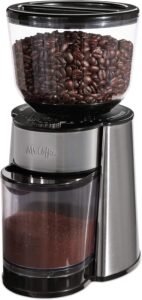
This manual coffee grinder combines durable stainless steel construction with a ceramic grinding mechanism to deliver consistent results. Its 10 adjustable grind settings allow users to fine-tune their grind size for different brewing methods, while the compact design makes it ideal for home or office environments. The absence of a motor means it requires manual operation, which may appeal to users seeking a more hands-on brewing experience. The combination of materials ensures durability and reduces the risk of overheating during extended use, making it a practical choice for those who prioritize simplicity and reliability in their coffee preparation process.
Grind Consistency and Extraction Quality
Grind consistency is one of the most critical factors in determining the quality of brewed coffee. A uniform grind size ensures even extraction, allowing water to flow through the coffee grounds at a consistent rate. This balance between water and coffee solids is essential for achieving the desired flavor profile—too fine a grind can lead to over-extraction and bitterness, while too coarse a grind may result in under-extraction and weakness. The ceramic grinding mechanism in this manual coffee grinder is designed to maintain a consistent particle size across all grind settings, reducing the risk of uneven extraction. This is particularly important for methods like pour-over and French press, where the grind size directly influences the extraction efficiency. The stainless steel housing also helps dissipate heat generated during grinding, preventing the coffee from becoming over-extracted due to excessive heat. For users who prioritize precision in their brewing process, the ability to adjust the grind size while maintaining consistency is a significant advantage. Additionally, the compact design of the grinder ensures that it doesn’t interfere with the brewing process, allowing for a more streamlined workflow.

How Grind Settings Impact Extraction
The 10 adjustable grind settings on this coffee grinder provide a wide range of options for different brewing methods. For example, a finer grind is ideal for espresso-style brewing, where the water needs to pass through the coffee grounds quickly to extract the full flavor. Conversely, a coarser grind is better suited for French press or cold brew, where slower extraction allows for a more balanced flavor profile. The ceramic grinding mechanism ensures that each setting produces a consistent grind size, which is crucial for maintaining extraction quality. Users who frequently switch between brewing methods will appreciate the versatility of these settings, as they can easily adjust the grind without needing to replace grinding components. However, the manual operation of the grinder means that users must apply even pressure to achieve the desired consistency, which may require some practice to master. This aspect of the design makes it a good choice for those who prefer a more hands-on approach to brewing.
The Role of Material in Grind Quality
The materials used in a coffee grinder significantly impact the quality of the grind and the longevity of the appliance. This model’s ceramic grinding mechanism is designed to reduce friction and heat buildup, which can degrade the flavor of the coffee over time. Ceramic is also less prone to chipping or wearing down compared to traditional grinding stones, ensuring that the grind remains consistent even after prolonged use. The stainless steel housing provides structural integrity while also offering resistance to corrosion and staining, which is particularly beneficial for users who clean the grinder frequently. The combination of these materials ensures that the grinder maintains its performance characteristics over time, making it a reliable choice for home brewers. Additionally, the non-reactive nature of ceramic means it doesn’t impart any metallic flavors to the coffee, preserving the natural taste of the beans. For users who prioritize both durability and flavor preservation, this combination of materials is a significant advantage.
Ease of Use and Workflow Complexity
The ease of use of a coffee grinder is a key consideration for home brewers, especially those who prepare coffee multiple times a day. A well-designed grinder should require minimal effort to operate while still delivering consistent results. This manual coffee grinder is engineered for simplicity, with a straightforward mechanism that allows users to adjust the grind size without unnecessary complexity. The absence of a motor means that the user must apply manual pressure to the grinding mechanism, which can be a drawback for those who prefer automation. However, this design also eliminates the need for electricity, making it a practical choice for users who want to avoid power dependency. The compact size of the grinder also contributes to its ease of use, as it can be stored easily in small spaces without taking up excessive room. For users who value a minimalist approach to brewing, the simplicity of this design is a major benefit. However, it’s important to note that manual operation requires a certain level of physical effort, which may not be suitable for individuals with limited mobility or strength. This aspect of the design makes it a good option for those who prefer a more hands-on brewing experience.

Adjusting Grind Settings Without Compromise
Adjusting the grind settings on a manual coffee grinder requires careful attention to detail to ensure consistency. The 10 adjustable discs on this model are designed to provide a smooth transition between different grind sizes, allowing users to fine-tune their settings without the need for additional tools. The alignment of the grinding mechanism ensures that each setting produces a uniform grind, which is essential for achieving the desired extraction quality. Users who frequently experiment with different brewing methods will find the range of settings particularly useful, as they can easily adapt to the specific requirements of each method. However, the manual nature of the adjustment process means that users must be precise in their settings to avoid inconsistencies. This level of control is beneficial for those who want to optimize their brewing process, but it may require some practice to master. For users who prioritize simplicity and reliability, the intuitive design of the adjustment system is a significant advantage.
Cleaning and Maintenance Requirements
The ease of cleaning and maintenance is an important factor for users who prepare coffee regularly. This manual coffee grinder is designed with a focus on simplicity, which extends to its cleaning requirements. The stainless steel housing is resistant to stains and corrosion, making it easy to wipe down after each use. The ceramic grinding mechanism is also non-porous, which means it doesn’t retain coffee oils or residues that could affect future brews. However, the absence of a motor means that the grinding mechanism is not fully detachable, which could make thorough cleaning more challenging. Users who prioritize hygiene and want to ensure that their grinder remains free of buildup may need to disassemble the grinding components manually, which requires some effort. The compact design of the grinder also makes it easier to store and clean in small spaces, but the lack of a motor means that it cannot be used for automated grinding tasks. For users who value both simplicity and ease of cleaning, this model offers a practical balance between these factors.
Temperature Control and Heat Stability
Maintaining optimal brewing temperatures is essential for producing a high-quality cup of coffee. While temperature control is primarily a concern for electric coffee makers and espresso machines, it also plays a role in manual grinders through the materials used in their construction. The stainless steel housing of this manual coffee grinder is designed to dissipate heat efficiently, preventing the coffee from becoming over-extracted due to excessive heat buildup. This is particularly important for users who grind coffee for methods that require precise temperature control, such as pour-over or French press. The ceramic grinding mechanism also contributes to heat stability by reducing friction and minimizing the risk of overheating during extended use. However, the absence of a motor means that the grinding process is entirely dependent on manual operation, which may affect the consistency of heat distribution. For users who prioritize heat stability and want to avoid the risk of over-extraction, the combination of materials in this grinder is a significant advantage. Additionally, the non-reactive nature of ceramic ensures that the grinding process does not introduce any metallic flavors to the coffee, preserving the natural taste of the beans.
How Material Choice Affects Heat Management
The materials used in a coffee grinder significantly impact its ability to manage heat during the grinding process. This model’s stainless steel housing is engineered to conduct heat away from the grinding mechanism, which helps prevent the coffee from becoming over-extracted. The ceramic grinding mechanism further enhances heat management by reducing friction and minimizing the risk of overheating. These materials work together to ensure that the grinding process remains stable and consistent, even during prolonged use. However, the manual operation of the grinder means that users must apply even pressure to avoid generating excessive heat, which could affect the quality of the grind. For users who prioritize heat stability and want to avoid the risk of over-extraction, the combination of materials in this grinder is a significant advantage. The non-reactive nature of ceramic also ensures that the grinding process does not introduce any metallic flavors to the coffee, preserving the natural taste of the beans.
The Impact of Grind Consistency on Temperature Stability
Grind consistency plays a crucial role in maintaining temperature stability during the brewing process. A uniform grind size ensures that water flows through the coffee grounds at a consistent rate, which helps maintain the optimal brewing temperature. This is particularly important for methods like pour-over and French press, where the temperature of the water directly influences the extraction efficiency. The ceramic grinding mechanism in this model is designed to produce a consistent grind size across all settings, which helps maintain temperature stability during brewing. However, the manual operation of the grinder means that users must apply even pressure to avoid generating excessive heat, which could affect the quality of the grind. For users who prioritize temperature stability and want to avoid the risk of over-extraction, the combination of materials and design in this grinder is a significant advantage. The non-reactive nature of ceramic also ensures that the grinding process does not introduce any metallic flavors to the coffee, preserving the natural taste of the beans.
Pros & Cons
Pros
- Consistent Grind Quality: The ceramic grinding mechanism ensures a uniform grind size across all settings, enhancing extraction efficiency for various brewing methods.
- Durable Materials: The stainless steel housing and ceramic grinding components are resistant to corrosion and wear, ensuring long-term reliability.
- Simple Design: The compact, manual operation makes it easy to use and store, ideal for small spaces or travel.
- Versatile Grind Settings: The 10 adjustable discs provide a wide range of options for different brewing techniques, from pour-over to French press.
- Non-Reactive Materials: The ceramic grinding mechanism prevents metallic flavors from affecting the coffee’s natural taste.
- Heat Stability: The stainless steel housing dissipates heat efficiently, reducing the risk of over-extraction during grinding.
- Easy to Clean: The non-porous materials make it simple to wipe down and maintain hygiene without residue buildup.
- Cost-Effective: The absence of a motor reduces manufacturing costs, making it a budget-friendly option for home brewers.
Cons
- Manual Operation Requires Effort: The lack of a motor means users must apply manual pressure, which may be inconvenient for those seeking automation.
- Limited Power for Large Grinds: The manual design may not be suitable for users who require high-powered grinding for large quantities.
- Cleaning Challenges: While the materials are easy to clean, the grinding mechanism is not fully detachable, making thorough cleaning more difficult.
- No Built-In Timer or Automation: The absence of a motor means the grinder cannot be used for automated grinding tasks or timed brewing processes.
- Potential for Inconsistent Grind if Not Used Properly: Users must apply even pressure to avoid uneven grinding, which requires some practice to master.
Final Verdict: Who This Product Is Best For (and Who Should Skip It)
This manual coffee grinder is an excellent choice for home brewers who prioritize simplicity, durability, and consistent grind quality. Its 10 adjustable grind settings make it versatile for different brewing methods, from pour-over to French press, while the combination of stainless steel and ceramic materials ensures long-term reliability and flavor preservation. The compact design and ease of cleaning make it ideal for small spaces or users who prefer a minimalist approach to brewing. However, it may not be suitable for those who require automation or high-powered grinding for large quantities. Users who value a hands-on brewing experience and are willing to invest time in mastering the manual operation will find this grinder to be a practical and reliable option. Conversely, individuals seeking electric grinders with built-in timers or automated features may find this model less suitable. Overall, this product is best suited for coffee enthusiasts who prioritize precision, simplicity, and long-term durability in their brewing process.
Frequently Asked Questions (FAQs)
What are the key factors to consider when choosing a manual coffee grinder?
When selecting a manual coffee grinder, prioritize grind consistency, material durability, and ease of use. A uniform grind size ensures optimal extraction, while durable materials like stainless steel and ceramic preserve flavor and longevity. A simple, compact design is ideal for home use, and adjustable settings allow for versatility across different brewing methods.
How does the ceramic grinding mechanism affect coffee quality?
Ceramic grinding mechanisms reduce friction and heat buildup, preserving the natural flavor of the coffee. They also maintain a consistent grind size, which is essential for even extraction. Unlike metal grinders, ceramic does not impart metallic flavors, ensuring the coffee retains its original taste profile.
Can this grinder be used for both pour-over and French press methods?
Yes, the 10 adjustable grind settings allow users to fine-tune the grind size for different brewing methods. A finer grind is suitable for pour-over, while a coarser grind works better for French press. This versatility makes it an excellent choice for users who experiment with various brewing techniques.
How does the stainless steel housing contribute to the grinder’s performance?
The stainless steel housing dissipates heat efficiently, preventing the coffee from becoming over-extracted during grinding. It also provides structural integrity and resistance to corrosion, ensuring the grinder remains functional and hygienic over time.
Is this grinder easy to clean and maintain?
The non-porous materials and stainless steel housing make the grinder easy to clean. Users can wipe down the exterior and remove residue with minimal effort. However, the grinding mechanism is not fully detachable, which may require more careful cleaning to maintain hygiene.
Who would benefit most from this manual coffee grinder?
This grinder is ideal for home brewers who prioritize simplicity, durability, and consistent grind quality. It suits users who prefer a hands-on approach to brewing and value a compact, low-maintenance design for small spaces or travel.
What are the limitations of a manual coffee grinder?
Manual grinders require physical effort to operate, which may be inconvenient for some users. They also lack automation features like built-in timers or electric power, making them less suitable for high-volume grinding or timed brewing processes.