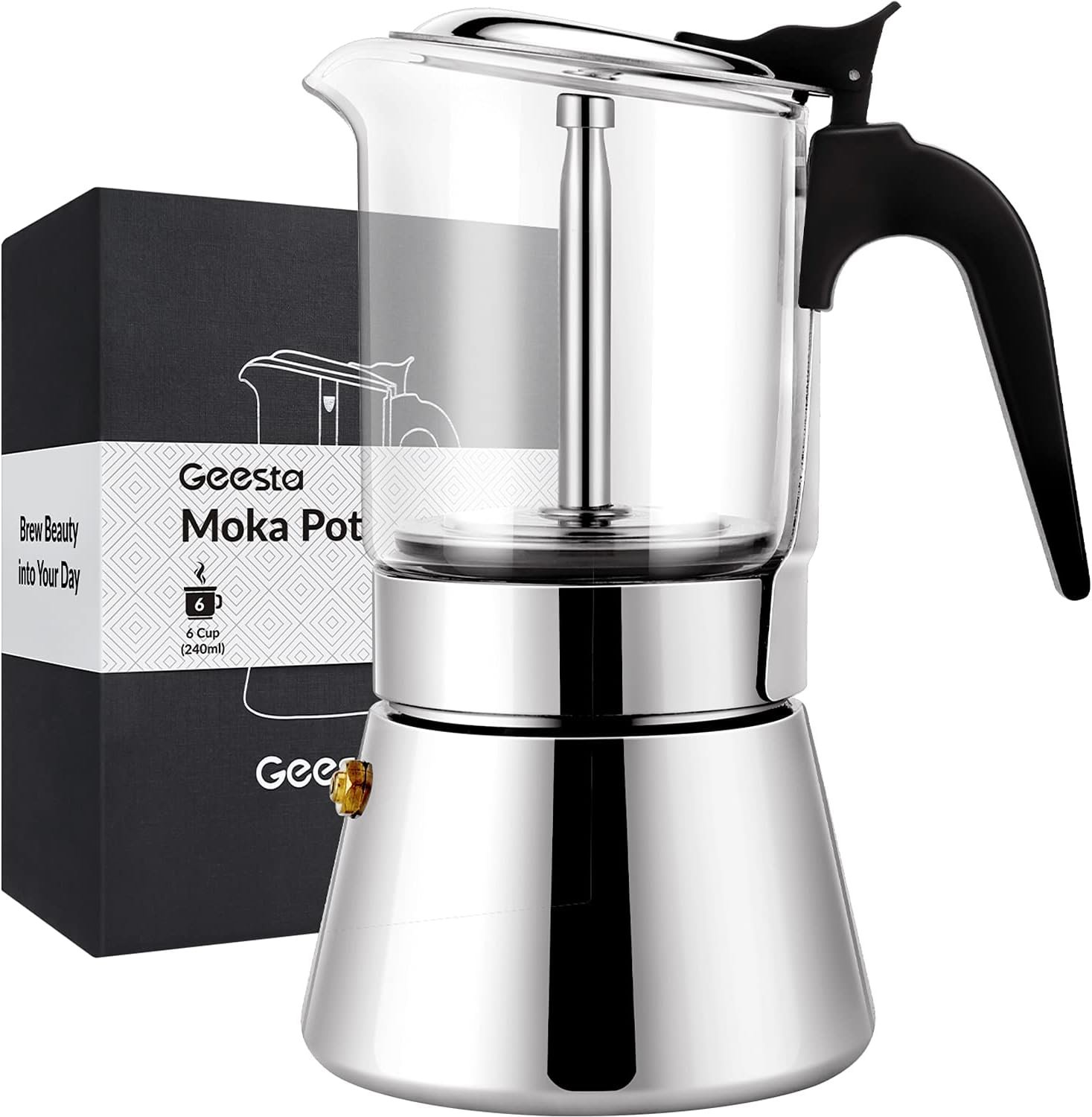
Geesta Premium Crystal Glass-Top Stovetop Espresso Moka Pot Review 2026
Why Coffee Equipment Matters for Home Brewers
The choice of coffee equipment significantly impacts the quality, consistency, and enjoyment of brewed coffee. For home brewers, the right tools can transform a simple morning routine into a ritual of precision and flavor. Whether you’re a casual coffee drinker or an enthusiast seeking perfection, the right appliance can unlock new dimensions in taste and aroma. Stovetop espresso machines, like the Geesta Premium Crystal Glass-Top Moka Pot, are particularly valued for their ability to produce rich, concentrated coffee using traditional methods. These devices rely on steam pressure to extract flavor from ground coffee, a process that balances science and art. Understanding the interplay between brewing method, materials, and design is essential for selecting equipment that aligns with your preferences. This review explores the Geesta Moka Pot’s specifications, performance characteristics, and user experience to help you determine whether it fits your brewing needs in 2026.
Quick Overview
| Feature | Details |
|---|---|
| Product Category | Stovetop Espresso Moka Pot |
| Brewing Method | Steam pressure extraction |
| Capacity | 8.5 ounces (6 cups) |
| Materials | Stainless steel body, crystal glass top |
| Compatibility | Gas, induction, ceramic stovetops, electric cooker |
| Cleaning | Dishwasher-safe |
| Best Suited For | Home brewers, espresso enthusiasts |
| Intended Use | Manual espresso preparation |
| Warranty | Not specified |
The Geesta Moka Pot combines stainless steel durability with a crystal glass top, offering visibility into the brewing process while maintaining heat resistance. Its compatibility with multiple stovetop types ensures flexibility for users with varying cooking setups. The dishwasher-safe design simplifies maintenance, though proper drying is recommended to prevent rust. These features collectively support a balance between functionality and aesthetic appeal, making it a practical choice for those prioritizing ease of use and visual engagement during brewing.

Brewing Method Compatibility and Performance
The Geesta Moka Pot operates on the principles of steam pressure extraction, a method that has been refined over decades to produce concentrated coffee with intense flavor. This technique relies on water heating under pressure to force it through ground coffee, extracting oils and compounds that contribute to aroma and taste. The pot’s design accommodates this process by using a sealed chamber to maintain pressure, ensuring even extraction. However, the effectiveness of this method depends on factors such as grind size, water temperature, and brewing time. The pot’s capacity of 8.5 ounces allows for multiple servings, making it suitable for households or small gatherings. For users seeking a more nuanced extraction, the pot’s manual operation requires attention to these variables, which can influence the final cup’s quality.

Grind Consistency and Extraction Quality
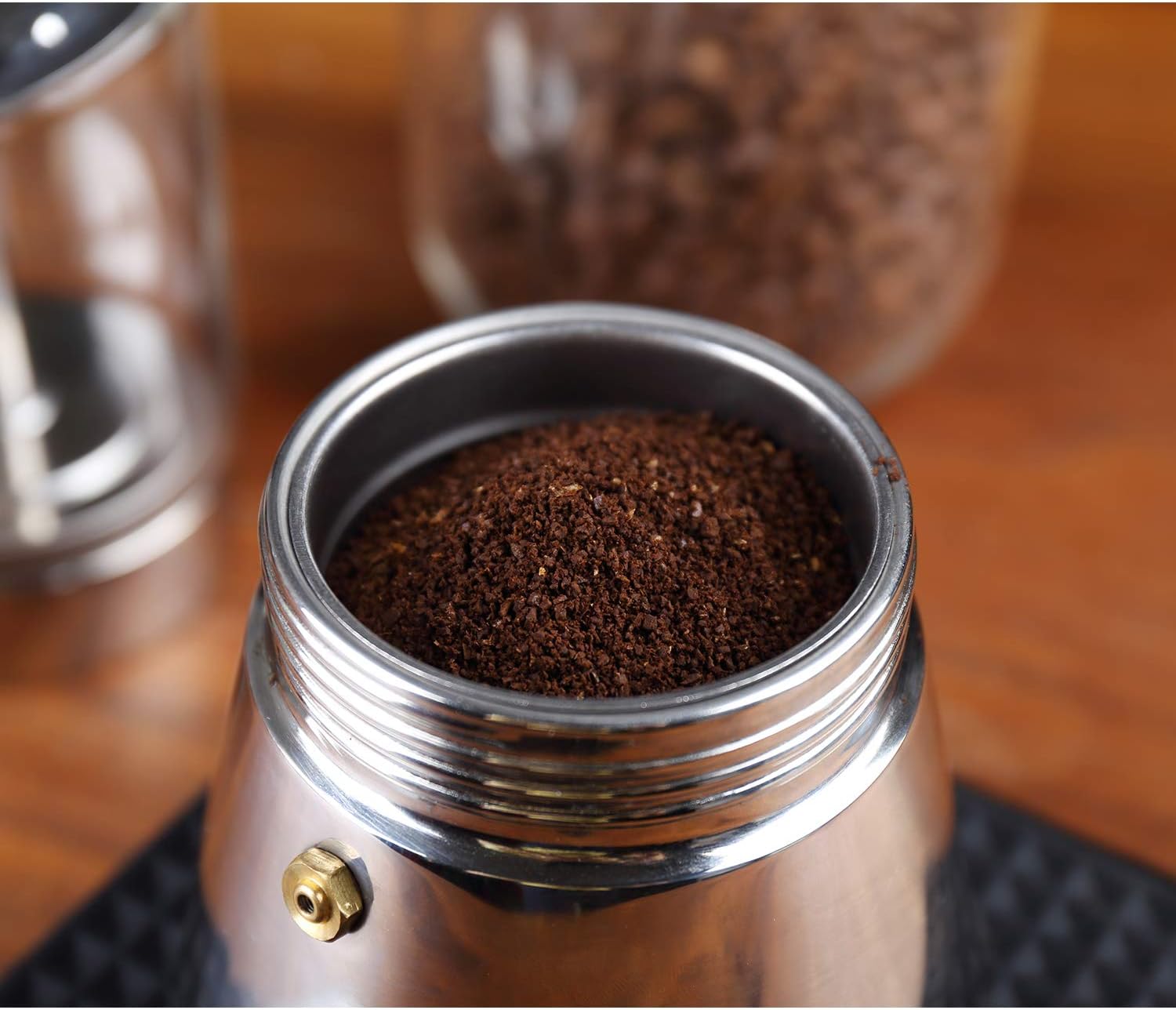
A critical factor in steam pressure extraction is the grind size of the coffee. The Geesta Moka Pot is designed to work with medium-fine grinds, a specification that aligns with traditional moka pot requirements. This grind size allows water to flow through the coffee bed efficiently, promoting even extraction without over-extraction. The pot’s internal chamber is constructed to maintain consistent pressure, which helps prevent channeling—a common issue in manual brewing where water flows unevenly through the coffee grounds. However, the absence of adjustable pressure settings means users must rely on precise grind preparation to achieve optimal results. This limitation may affect those seeking fine-tuned control over extraction parameters.
Water Temperature and Heat Stability
Water temperature plays a pivotal role in the extraction process, as it influences the solubility of coffee compounds. The Geesta Moka Pot’s stainless steel construction provides moderate heat retention, allowing water to reach the necessary temperature for extraction without overheating. The crystal glass top, while offering visibility, does not contribute to heat retention and may require additional time to heat up. Users should anticipate a slight delay in reaching optimal brewing temperatures, which could affect the consistency of results. The pot’s compatibility with various stovetops ensures flexibility in heating methods, though the lack of a built-in thermometer means users must rely on timing and experience to gauge readiness.
Brew Ratios and Serving Flexibility
The Geesta Moka Pot’s capacity of 8.5 ounces is ideal for producing multiple servings of espresso, though it may not be suitable for those requiring larger quantities. The pot’s design allows for a standard 1:16 coffee-to-water ratio, which is commonly used in espresso preparation. This ratio ensures a balanced extraction, avoiding under-extraction (which results in weak coffee) or over-extraction (which leads to bitterness). However, the fixed size limits customization for users who prefer different ratios or larger volumes. The pot’s manual operation also means that adjustments to brewing time or grind size are necessary to adapt to varying preferences, which may be a drawback for those seeking automation.
Ease of Use and Workflow Complexity
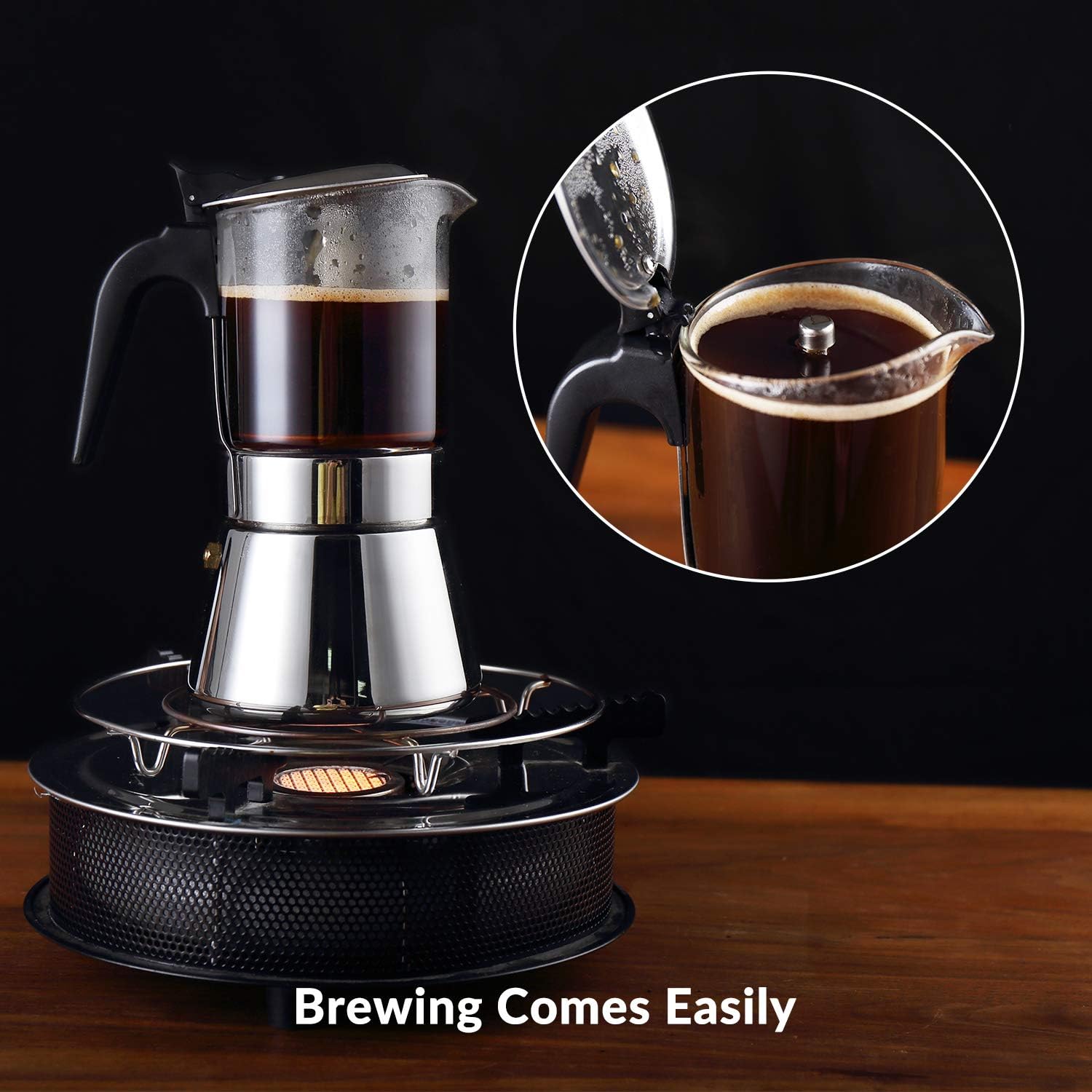
The Geesta Moka Pot is designed with user-friendly features that simplify the brewing process while maintaining the manual nature of stovetop espresso preparation. The pot’s heat-resistant handle and special lock mechanism enhance safety, preventing accidental spills and ensuring a secure grip during use. The ability to leave the lid open while pouring coffee adds convenience, eliminating the risk of sudden lid closure. However, the manual operation requires users to manage timing and temperature, which may pose a learning curve for beginners. The pot’s dishwasher-safe design reduces cleaning effort, but proper drying is essential to prevent rust, a detail that may be overlooked by some users. These elements collectively contribute to a balance between simplicity and precision, making the pot accessible to a wide range of coffee enthusiasts.

Safety and Handling Features
Safety is a key consideration in stovetop espresso brewing, and the Geesta Moka Pot incorporates several design elements to mitigate risks. The heat-resistant handle and finger grip provide a secure hold, reducing the likelihood of burns or accidents. The special lock on the lid prevents spills during pouring, a critical feature given the high temperatures involved in brewing. However, the absence of a built-in thermometer means users must rely on visual cues, such as steam release, to determine when the brewing process is complete. This reliance on observation may be a limitation for those unfamiliar with the nuances of manual brewing, but it also encourages a deeper understanding of the process.
Cleaning and Maintenance Expectations
Maintaining the Geesta Moka Pot requires attention to detail, particularly in preventing rust and ensuring thorough cleaning. The stainless steel body is resistant to rust, but improper drying after washing can compromise this durability. The dishwasher-safe design simplifies routine cleaning, though hand washing is recommended for optimal care. The crystal glass top, while easy to clean, may require more careful handling to avoid scratches or damage. Users should also be mindful of the pot’s compatibility with various stovetops, as residual heat from different surfaces may affect cleaning efficiency. These maintenance considerations highlight the importance of following the manufacturer’s guidelines to preserve the pot’s longevity and performance.
Workflow and User Experience
The Geesta Moka Pot’s workflow is straightforward, with minimal steps required to produce a cup of espresso. Users begin by filling the water chamber, adding ground coffee to the filter basket, and placing the pot on a stovetop. The brewing process is initiated by heating the water, which generates steam pressure to extract the coffee. The pot’s design allows for visual monitoring of the brewing progress, though precise timing is necessary to avoid over-extraction. While the manual operation may be perceived as time-consuming, it offers a level of control that many enthusiasts appreciate. The pot’s compatibility with multiple stovetops adds versatility, though users must adjust their techniques based on the specific heating surface used.
Durability and Long-Term Reliability
The Geesta Moka Pot’s construction materials and design contribute to its durability and long-term reliability. The stainless steel body is resistant to corrosion and wear, making it suitable for frequent use. The crystal glass top, while offering visibility, is more susceptible to scratches and cracks if mishandled. The pot’s compatibility with various stovetops ensures that it can be used in different kitchen environments without compromising structural integrity. However, the lack of a warranty or detailed durability specifications means users must rely on the product’s build quality and maintenance practices to ensure longevity. The dishwasher-safe design simplifies cleaning, but the necessity for complete drying after washing remains a critical factor in preserving the pot’s lifespan.
Material Quality and Build Construction
The Geesta Moka Pot’s materials are selected to balance functionality and aesthetics. The stainless steel body provides durability and heat resistance, while the crystal glass top enhances the visual appeal of the brewing process. This combination of materials ensures that the pot can withstand regular use without significant wear. However, the glass component requires careful handling to avoid damage, which may be a drawback for users who prioritize robustness over visual engagement. The pot’s overall construction is consistent with industry standards for stovetop espresso pots, though the absence of a warranty or detailed durability claims means users must assess their own usage patterns and maintenance practices.
Long-Term Performance and Maintenance
Long-term performance of the Geesta Moka Pot depends on proper maintenance and usage habits. Regular cleaning and thorough drying after washing are essential to prevent rust and maintain the pot’s structural integrity. The dishwasher-safe design reduces the burden of cleaning, but it is recommended to hand wash the pot for optimal care. The pot’s compatibility with various stovetops ensures that it can be used in different environments without compromising performance. However, the absence of a warranty or detailed maintenance instructions means users must take proactive steps to ensure the pot remains in good condition over time. These factors collectively influence the pot’s long-term reliability and user satisfaction.
Pros & Cons
Pros
- Stainless Steel and Crystal Glass Construction: The combination of durable stainless steel and clear crystal glass offers both strength and visual appeal, enhancing the brewing experience.
- Compatibility with Multiple Stovetops: The pot can be used on gas, induction, ceramic, and electric cookers, providing flexibility for different kitchen setups.
- Dishwasher-Safe Design: Simplifies cleaning, though hand washing is recommended to ensure longevity.
- Safety Features: The heat-resistant handle and special lid lock prevent spills and burns, enhancing user safety during operation.
- Visual Engagement: The crystal glass top allows users to monitor the brewing process, adding an element of interactivity to manual brewing.
- Easy to Use: The straightforward workflow and intuitive design make it accessible for both beginners and experienced brewers.
- Versatile Serving Options: The 8.5-ounce capacity is suitable for multiple servings, making it ideal for households or small gatherings.
- Aesthetic Appeal: The silver finish and modern design complement contemporary kitchen aesthetics.
Cons
- Limited Customization: The fixed size and lack of adjustable pressure settings restrict customization for users seeking fine-tuned control over extraction.
- Requires Manual Attention: The need for precise timing and observation may be challenging for beginners or those unfamiliar with manual brewing techniques.
- Potential for Rust: While stainless steel is rust-resistant, improper drying after washing can compromise this quality, requiring careful maintenance.
- Glass Vulnerability: The crystal glass top, while visually appealing, is more susceptible to scratches and cracks if not handled with care.
- No Warranty Information: The absence of a warranty or detailed durability claims means users must rely on proper maintenance to ensure long-term reliability.
- Learning Curve: The manual operation and reliance on visual cues may present a learning curve for those new to stovetop espresso brewing.
Final Verdict: Who This Product Is Best For (and Who Should Skip It)
The Geesta Premium Crystal Glass-Top Stovetop Espresso Moka Pot is best suited for home brewers who appreciate the traditional method of espresso preparation and value a balance between functionality and aesthetics. Its stainless steel and crystal glass construction, combined with safety features like a heat-resistant handle and special lid lock, makes it an appealing choice for those seeking a reliable and visually engaging brewing experience. The pot’s compatibility with multiple stovetops and dishwasher-safe design further enhance its practicality for everyday use. However, users who prioritize automation, require precise control over extraction parameters, or prefer a more robust construction may find the pot’s limitations restrictive. The lack of a warranty and the need for careful maintenance also make it less ideal for those seeking long-term durability without additional effort. Overall, the Geesta Moka Pot is a solid option for enthusiasts who enjoy the manual process of brewing and appreciate a blend of traditional craftsmanship and modern design.

Frequently Asked Questions (FAQs)
Is the Geesta Moka Pot compatible with induction cooktops?
Yes, the Geesta Moka Pot is designed to be used on gas, induction, ceramic, and electric cookers. This compatibility ensures flexibility for users with different stovetop setups.
Can the Geesta Moka Pot be used on a stovetop with uneven heat distribution?
The pot’s stainless steel construction provides even heat distribution, but users should ensure the stovetop surface is level to prevent uneven heating and potential damage.
How should I clean the Geesta Moka Pot to maintain its longevity?
The pot is dishwasher-safe, but hand washing with mild soap is recommended for optimal care. After washing, ensure it is completely dried to prevent rust, especially on the stainless steel components.
What grind size is recommended for the Geesta Moka Pot?
The pot works best with medium-fine grinds, which allow for even water flow and proper extraction. A finer grind may lead to over-extraction, while a coarser grind can result in under-extraction.
Does the Geesta Moka Pot have a warranty?
The product description does not specify a warranty. Users should follow the manufacturer’s maintenance guidelines to ensure long-term reliability and performance.
Can the Geesta Moka Pot be used for brewing tea?
While the pot is designed for espresso brewing, it can be used for tea preparation with adjustments to water temperature and brewing time. However, it is not optimized for tea-specific brewing methods.
How long does it take to brew a cup of espresso with the Geesta Moka Pot?
Brewing time typically ranges from 4 to 6 minutes, depending on the stovetop and water temperature. Users should monitor the process to avoid over-extraction and ensure optimal results.
Is the Geesta Moka Pot suitable for beginners?
The pot is user-friendly and suitable for beginners, though some manual attention is required. Its safety features and straightforward workflow make it accessible for those new to stovetop espresso brewing.