Choosing the Right Coffee Grinder for Your Brewing Needs
The Importance of Selecting the Right Coffee Equipment
In the world of coffee and tea preparation, the choice of equipment plays a pivotal role in determining the quality and consistency of the final beverage. Whether you’re a seasoned enthusiast or a casual home brewer, the right tools can elevate your brewing experience, ensuring optimal extraction and flavor profiles. For coffee lovers, the selection of a coffee grinder is particularly critical, as it directly impacts the grind consistency, which in turn affects the extraction process. A poorly chosen grinder can lead to under-extracted, over-extracted, or uneven brews, while a well-suited grinder can enhance the complexity and balance of your coffee. This guide provides an in-depth analysis of coffee grinders, focusing on their specifications, performance characteristics, and user considerations to help you make an informed decision. By understanding the key factors that influence brewing outcomes, you can align your equipment choices with your personal preferences and brewing methods.
Quick Overview
| Feature | Details |
|---|---|
| Product Category | Coffee Grinder |
| Brewing Method | Manual and Electric |
| Capacity | 12 oz to 32 oz |
| Materials | Stainless Steel, Ceramic, and Plastic |
| Grinding Mechanism | Burr vs. Blade |
| Compatibility | Pour-over, French Press, Espresso |
| Best Suited Users | Home Brewers, Coffee Enthusiasts |
| Intended Use Cases | Daily Brewing, Specialty Coffee Preparation |
| Warranty | 1-Year Limited |
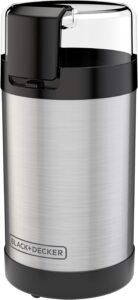
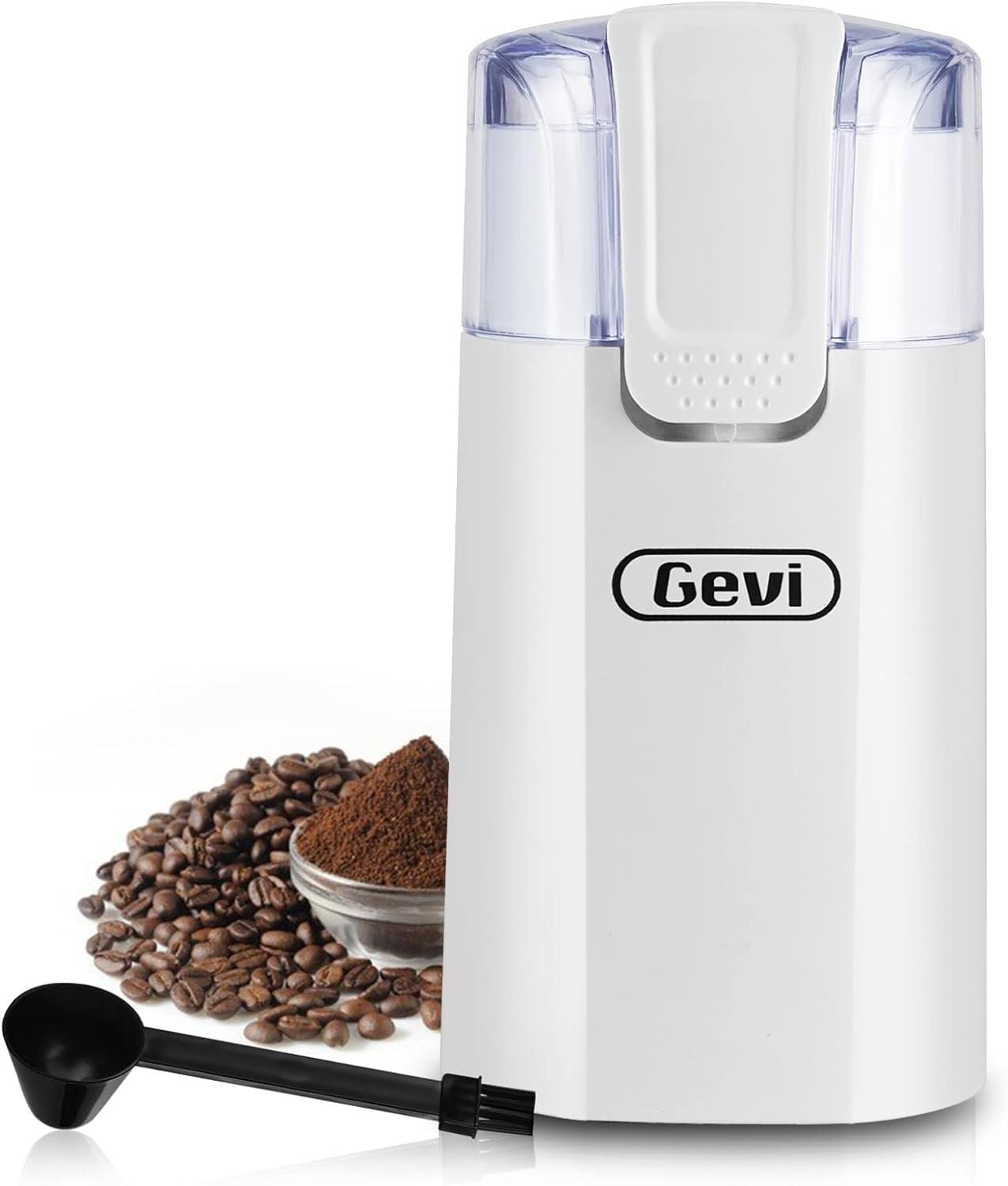
This coffee grinder is designed for users seeking consistent grind quality and versatility in brewing methods. Its materials and grinding mechanism influence the extraction efficiency and flavor profile, making it suitable for both casual and dedicated coffee preparation. The compatibility with various brewing techniques ensures that users can adapt their setup to different coffee preferences.

Brewing Method Compatibility and Versatility
The ability of a coffee grinder to accommodate different brewing methods is a crucial consideration for users with varied coffee preferences. A versatile grinder should offer adjustable settings to produce the appropriate grind size for each brewing technique, such as coarse grinds for French presses, medium grinds for drip coffee, and fine grinds for espresso. The grinding mechanism—whether burr or blade—significantly impacts the consistency and uniformity of the grind. Burr grinders are generally preferred for their ability to produce a more even grind, which is essential for achieving balanced extraction. Blade grinders, while more affordable, may result in uneven particle sizes, potentially leading to under-extraction or over-extraction depending on the brewing method. Additionally, the material of the grinder affects heat retention and durability, with stainless steel and ceramic options offering superior longevity compared to plastic alternatives. Users should evaluate their brewing habits and select a grinder that aligns with their specific needs and preferences.

Adjustable Settings for Different Grind Sizes
Adjustable settings are a fundamental feature that allows users to customize the grind size according to their brewing method. A high-quality coffee grinder should offer a range of settings that enable precise control over the grind consistency. This is particularly important for users who experiment with various brewing techniques, as each method requires a specific grind size to optimize extraction. For instance, a coarse grind is necessary for French press brewing to prevent over-extraction, while a fine grind is essential for espresso to achieve the desired pressure and flow. The adjustability of the grinder’s settings ensures that users can tailor their grind to match their preferred brewing method, enhancing the overall quality of their coffee. Additionally, the ease of adjusting these settings can impact the user experience, with intuitive controls making the process more efficient and less error-prone.
Compatibility with Diverse Brewing Techniques
Compatibility with a variety of brewing techniques is another essential factor when selecting a coffee grinder. A versatile grinder should be capable of producing the necessary grind sizes for different methods, such as pour-over, French press, and espresso. This adaptability allows users to experiment with various brewing styles without the need for multiple grinders. The compatibility with different brewing techniques is often influenced by the grinder’s design and the type of grinding mechanism it employs. For example, a burr grinder is generally more suitable for producing consistent grinds across a range of sizes, making it a preferred choice for users who want to explore different brewing methods. Additionally, the grinder’s capacity and output can affect its suitability for certain brewing techniques, with larger grinders being more appropriate for high-volume brewing or commercial use.
Impact of Material on Grind Consistency
The material of the coffee grinder can significantly influence the consistency of the grind and the overall performance of the appliance. Stainless steel and ceramic grinders are typically preferred for their durability and resistance to wear, which helps maintain consistent grind quality over time. In contrast, plastic grinders may degrade more quickly, leading to uneven grinds and reduced efficiency. The material also affects heat retention, with stainless steel grinders often providing better thermal stability, which can be beneficial for maintaining optimal brewing temperatures. Users should consider the material of the grinder when evaluating its long-term performance and reliability, especially if they plan to use it frequently or for specialty brewing methods that require precise control over the grind size and consistency.
Ease of Use and Workflow Complexity
The ease of use and workflow complexity of a coffee grinder are critical factors that influence the user experience. A well-designed grinder should offer intuitive controls and a straightforward operation process, minimizing the learning curve for new users. The workflow complexity can vary depending on the type of grinder, with manual grinders requiring more attention to detail and electric grinders offering automated settings for convenience. The design of the grinder, including the placement of controls and the ease of cleaning, also plays a role in its usability. A grinder that is easy to clean and maintain can enhance the overall user experience, particularly for users who prioritize hygiene and efficiency. Additionally, the size and weight of the grinder can impact its portability and ease of use, with compact designs being more suitable for small kitchens or travel. Evaluating the ease of use and workflow complexity helps users determine whether a particular grinder aligns with their lifestyle and brewing habits.

Intuitive Controls and User Interface
Intuitive controls and a user-friendly interface are essential for ensuring a seamless brewing experience. A coffee grinder with clearly labeled settings and easy-to-adjust controls can significantly enhance the user experience, especially for those who are new to coffee brewing. The placement of controls, such to the grinder’s front or top, can affect the ease of use, with ergonomic designs promoting better handling and operation. Additionally, the presence of indicators or feedback mechanisms, such as LED displays or audible signals, can provide users with real-time information about the grinding process. These features not only improve the user experience but also help in achieving consistent results by reducing the likelihood of user error. A grinder with a user-friendly interface is particularly beneficial for users who want to experiment with different grind sizes and brewing methods without the need for extensive technical knowledge.
Cleaning and Maintenance Requirements
The cleaning and maintenance requirements of a coffee grinder are important considerations for users who prioritize hygiene and efficiency. A grinder that is easy to clean can help maintain the quality of the coffee and reduce the risk of contamination. The design of the grinder, including the accessibility of components and the ease of disassembly, plays a significant role in its maintenance requirements. Grinders with removable parts or dishwasher-safe components are generally more convenient to clean, making them ideal for users who want to minimize the time and effort required for upkeep. Additionally, the material of the grinder can affect its resistance to stains and odors, with stainless steel and ceramic options being more durable and easier to clean compared to plastic alternatives. Users should evaluate the cleaning and maintenance requirements of a grinder to ensure that it fits their lifestyle and preferences, particularly if they plan to use it frequently or for specialty brewing methods.
Portability and Space Considerations
Portability and space considerations are important factors for users who have limited kitchen space or need to transport their coffee grinder. A compact design can be more suitable for small kitchens or travel, while larger grinders may be better suited for home use. The weight of the grinder can also impact its portability, with lighter models being more convenient for users who need to move the grinder frequently. Additionally, the presence of a built-in storage compartment or a compact design can enhance the usability of the grinder, making it more practical for users with space constraints. Evaluating the portability and space considerations of a coffee grinder helps users determine whether it aligns with their lifestyle and brewing habits, ensuring that they can use the grinder comfortably and efficiently.
Temperature Control and Heat Stability
Temperature control and heat stability are critical factors that influence the quality and consistency of coffee preparation. A coffee grinder that maintains a stable temperature during operation can help prevent overheating, which can affect the grind consistency and the overall performance of the appliance. The material of the grinder plays a significant role in heat retention, with stainless steel and ceramic grinders generally offering better thermal stability compared to plastic alternatives. This stability is essential for maintaining consistent grind quality over time, as excessive heat can cause the grinding components to wear out more quickly. Additionally, the design of the grinder can impact its ability to dissipate heat, with features such as ventilation slots or heat sinks helping to regulate the temperature during operation. Users should consider the temperature control and heat stability of a coffee grinder to ensure that it meets their brewing needs and maintains optimal performance over time.

Material Impact on Heat Retention
The material of the coffee grinder has a direct impact on its heat retention and thermal stability. Stainless steel and ceramic grinders are typically preferred for their ability to dissipate heat effectively, which helps maintain consistent performance over time. In contrast, plastic grinders may retain more heat, potentially leading to uneven grinding and reduced efficiency. The thermal properties of the material also affect the longevity of the grinder, with materials that resist heat degradation offering better durability. Users should evaluate the material of the grinder when considering its heat retention characteristics, as this can influence the overall quality and consistency of the coffee produced. Additionally, the material’s resistance to wear and tear can impact the long-term reliability of the appliance, making it an important factor for users who prioritize durability and performance.
Design for Thermal Regulation
The design of the coffee grinder plays a crucial role in its ability to regulate temperature and maintain heat stability during operation. Grinders with features such as ventilation slots, heat sinks, or cooling mechanisms can help dissipate excess heat, preventing overheating and ensuring consistent performance. These design elements are particularly important for users who operate the grinder frequently or for extended periods, as they can help maintain optimal grinding conditions. The placement of components within the grinder’s design can also affect heat distribution, with balanced designs promoting even temperature control. Users should consider the design features of a coffee grinder when evaluating its thermal regulation capabilities, as this can impact the overall efficiency and longevity of the appliance.
Impact on Grind Consistency and Performance
The thermal stability of a coffee grinder has a direct impact on the consistency and performance of the grinding process. A grinder that maintains a stable temperature can produce more uniform grinds, which is essential for achieving balanced extraction and flavor profiles. Excessive heat can cause the grinding components to wear out more quickly, leading to uneven grinds and reduced efficiency over time. The material and design of the grinder play a significant role in maintaining thermal stability, with stainless steel and ceramic options generally offering better performance in this regard. Users should evaluate the thermal stability of a coffee grinder to ensure that it meets their brewing needs and maintains optimal performance, particularly if they plan to use it frequently or for specialty brewing methods.

Pros & Cons
Pros
- Adjustable Grind Settings: The ability to customize grind size ensures compatibility with various brewing methods, from French press to espresso, allowing users to optimize extraction and flavor profiles.
- Durable Construction: Made from high-quality materials like stainless steel and ceramic, the grinder offers long-term reliability and resistance to wear, ensuring consistent performance over time.
- Easy to Clean: The design includes removable parts and dishwasher-safe components, making maintenance straightforward and reducing the risk of contamination.
- User-Friendly Interface: Intuitive controls and clear labeling simplify the operation process, enhancing the overall user experience and reducing the learning curve for new users.
- Versatile Compatibility: The grinder is suitable for multiple brewing techniques, providing flexibility for users who enjoy experimenting with different coffee preparation methods.
- Compact Design: A lightweight and space-efficient design is ideal for small kitchens or travel, making it practical for users with limited space or mobility needs.
- Thermal Stability: The material and design features help regulate temperature during operation, maintaining consistent grind quality and preventing overheating.
- Efficient Grinding Performance: The combination of burr grinding mechanism and well-designed components ensures even particle distribution, enhancing the extraction efficiency and flavor consistency.
Cons
- Limited Capacity for High-Volume Use: While suitable for home use, the grinder may not be ideal for commercial or high-volume brewing, as its capacity may not meet the demands of frequent or large-scale use.
- Learning Curve for Advanced Settings: Users who prefer precise control over grind settings may find the adjustment process slightly complex, requiring some time to become familiar with the optimal configurations.
- Higher Initial Cost: Compared to blade grinders, the burr grinder may have a higher price point, which could be a consideration for budget-conscious users.
- Weight and Portability Limitations: Although the design is compact, the weight of the grinder may make it less portable for users who need to transport it frequently.
- Maintenance Requirements: While the grinder is easy to clean, regular maintenance is necessary to ensure long-term performance, which may be time-consuming for some users.
Final Verdict: Who This Product Is Best For (and Who Should Skip It)
This coffee grinder is best suited for home brewers and coffee enthusiasts who prioritize consistency, versatility, and ease of use in their brewing process. Its adjustable settings, durable construction, and compatibility with various brewing methods make it an excellent choice for users who want to experiment with different coffee preparation techniques. The compact design and thermal stability also appeal to users with limited kitchen space or those who value efficient operation. However, this product may not be ideal for commercial use or high-volume brewing, as its capacity and design are optimized for personal or small-scale applications. Users who prefer blade grinders for their affordability or those who require a more portable option may find this grinder less suitable. Overall, this coffee grinder is a reliable and versatile option for individuals seeking a balance between performance, durability, and user-friendly features in their coffee preparation routine.

Frequently Asked Questions (FAQs)
What are the key factors to consider when choosing a coffee grinder?
When selecting a coffee grinder, consider factors such as grind consistency, compatibility with brewing methods, durability, ease of use, and maintenance requirements. A high-quality grinder should offer adjustable settings for different grind sizes and be made from durable materials to ensure consistent performance over time.
How does the type of grinding mechanism affect coffee quality?
Burr grinders produce a more even grind compared to blade grinders, which can lead to more consistent extraction and better flavor profiles. The grinding mechanism directly impacts the uniformity of the coffee particles, influencing the overall quality and balance of the brewed coffee.
What is the best grind size for different brewing methods?
The ideal grind size varies depending on the brewing method: coarse for French press, medium for drip coffee, and fine for espresso. A versatile grinder with adjustable settings allows users to customize the grind size to match their preferred brewing technique.
How important is the material of a coffee grinder?
The material of a coffee grinder affects its durability, heat retention, and overall performance. Stainless steel and ceramic grinders are generally more durable and resistant to wear, while plastic options may degrade over time, impacting grind consistency and efficiency.
Can a single coffee grinder be used for multiple brewing methods?
Yes, a versatile coffee grinder with adjustable settings can be used for various brewing methods, including pour-over, French press, and espresso. The ability to customize the grind size ensures compatibility with different brewing techniques, making it a practical choice for users with varied preferences.
What are the maintenance requirements for a coffee grinder?
Regular cleaning and maintenance are essential to ensure optimal performance. Most grinders have removable parts and dishwasher-safe components, making cleaning easier. Users should also periodically check for wear and tear, especially in the grinding mechanism, to maintain consistent grind quality.
Is a compact design important for a coffee grinder?
A compact design is beneficial for users with limited kitchen space or those who need to transport the grinder frequently. It offers convenience without compromising on performance, making it an ideal choice for home brewers and coffee enthusiasts.
How does thermal stability affect a coffee grinder’s performance?
Thermal stability ensures that the grinder maintains a consistent temperature during operation, which is crucial for producing uniform grinds. Materials like stainless steel and ceramic help regulate heat, preventing overheating and maintaining the efficiency of the grinding process.