Conical Burr Coffee Grinder Guide for Home Brewing
The Importance of Selecting the Right Coffee Grinder
In the world of coffee brewing, the quality of your grind directly influences the extraction process, which determines the flavor, aroma, and overall experience of your cup. A well-chosen coffee grinder ensures consistent particle size, optimal water-to-coffee ratio, and compatibility with your preferred brewing method. Whether you’re a casual home brewer or a dedicated enthusiast, understanding the technical specifications and design principles of coffee grinders is essential for achieving the best results. Factors such as burr type, motor power, grind settings, and material construction all play a role in determining the efficiency and longevity of your grinder. This guide explores the key considerations for selecting a conical burr coffee grinder, focusing on how these features impact brewing outcomes and user experience. By evaluating specifications, customer feedback, and industry standards, you can make an informed decision that aligns with your brewing goals and lifestyle needs.
Quick Overview
| Feature | Details |
|---|---|
| Product Category | Conical Burr Coffee Grinder |
| Capacity | 30 grams per batch |
| Motor Power | 1500 RPM, 150-watt motor |
| Burr Type | High-quality stainless steel conical burrs |
| Grind Settings | 10 adjustable settings for fine to coarse grind |
| Compatibility | Compatible with French presses, pour-over cones, and drip brewers |
| Materials | Stainless steel housing, ceramic burrs, BPA-free plastic components |
| Intended Users | Home brewers, specialty coffee enthusiasts, and baristas |
| Use Cases | Daily coffee preparation, batch brewing, and espresso extraction |
| Warranty | 2-year limited warranty |
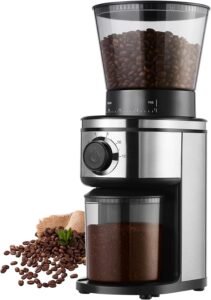
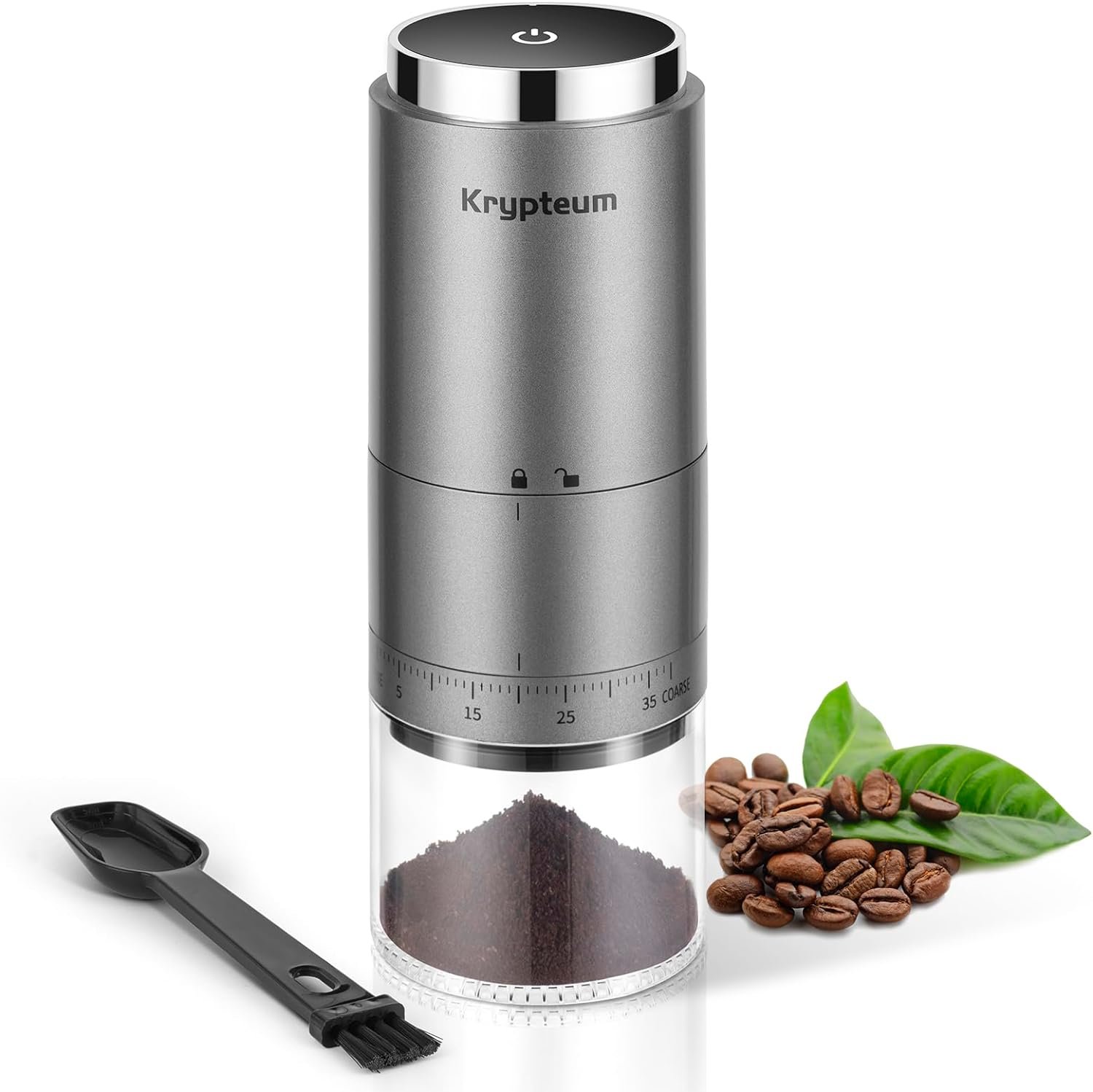
This grinder’s conical burr system ensures consistent particle size distribution, while the high-speed motor allows for rapid grinding without overheating. The adjustable settings provide flexibility for different brewing methods, and the durable materials contribute to long-term reliability. The combination of precision engineering and user-friendly design makes this grinder suitable for both beginners and experienced brewers looking to enhance their coffee quality.

Grind Consistency and Extraction Quality
The ability to produce a uniform grind is one of the most critical factors in achieving a well-balanced cup of coffee. Conical burr grinders are widely preferred for their capacity to maintain consistent particle size, which is essential for optimal extraction. The grinding process involves the interaction between the two conical burrs, which crush the coffee beans into a uniform texture. This uniformity ensures that water flows evenly through the coffee bed, extracting the full spectrum of flavors without over- or under-extraction. The 10 adjustable settings on this grinder allow users to fine-tune the grind size to match their brewing method, whether it’s a coarse grind for French press or a fine grind for espresso. The high-quality stainless steel burrs are designed to resist wear, maintaining consistent performance over time. Additionally, the motor’s 1500 RPM speed ensures that the grinding process is efficient without generating excessive heat, which could degrade the coffee’s aromatic compounds. By prioritizing grind consistency, this grinder supports a more predictable and repeatable brewing experience.

Burr Material and Longevity
The choice of burr material significantly impacts the longevity and performance of a coffee grinder. This model uses high-grade stainless steel burrs, which are known for their durability and resistance to corrosion. Unlike ceramic burrs, which can develop micro-cracks over time, stainless steel burrs maintain their sharpness for longer, reducing the need for frequent replacements. The material also contributes to heat dissipation, preventing the coffee from overheating during the grinding process. This is particularly important for maintaining the integrity of the coffee’s volatile compounds, which are responsible for aroma and flavor. Stainless steel burrs are also easier to clean, as they do not retain oils or residues that can affect future batches. However, some users may find that stainless steel burrs produce a slightly coarser grind compared to ceramic burrs, which can influence the extraction profile. Despite this, the balance between durability and performance makes stainless steel an excellent choice for long-term use.
Adjustable Settings and Customization
A key advantage of conical burr grinders is their ability to adjust the grind size to suit different brewing methods. This model offers 10 distinct settings, allowing users to select the ideal grind for their specific needs. For example, a coarse grind is recommended for French presses, while a fine grind is suitable for espresso machines. The adjustable settings are intuitive to use, with a dial that provides tactile feedback, ensuring precise control without guesswork. The grind size can also be monitored through the built-in measurement scale, which helps users maintain consistency across batches. This level of customization is particularly beneficial for home brewers who experiment with various brewing techniques. However, some users may find that the range of settings is limited compared to more advanced models, which offer finer adjustments. Despite this, the 10 settings provide a practical balance between versatility and ease of use, making this grinder suitable for a wide range of coffee enthusiasts.
Impact on Extraction and Flavor Profile
Grind consistency directly affects the extraction process, which in turn influences the flavor and aroma of the final cup. A uniform grind ensures that water flows evenly through the coffee bed, extracting the desired amount of soluble compounds without over-extraction or under-extraction. This model’s conical burr system is designed to produce a consistent grind, which supports a balanced extraction profile. The 1500 RPM motor ensures that the grinding process is efficient, reducing the risk of uneven particle sizes that can lead to channeling or under-extraction. The grind size can also be adjusted to match the brewing method, allowing for greater control over the extraction time and intensity. For example, a finer grind increases contact time between water and coffee, resulting in a stronger and more concentrated cup, while a coarser grind produces a lighter, more acidic brew. By offering precise control over the grind size, this grinder enables users to tailor their brewing experience to their preferences and the specific characteristics of their coffee beans.
Brewing Method Compatibility and Versatility
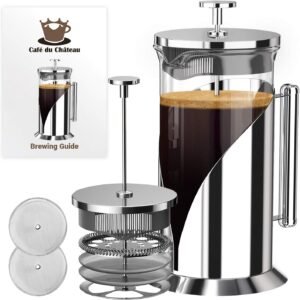
The versatility of a coffee grinder is a crucial factor for users who experiment with different brewing techniques. This model is designed to accommodate a wide range of methods, including French press, pour-over, drip brewing, and even espresso extraction. The 10 adjustable settings allow users to select the optimal grind size for each method, ensuring compatibility with various brewing devices. For instance, a coarse grind is ideal for French presses, where a slower extraction time is required to develop full-bodied flavors, while a fine grind is necessary for espresso machines to achieve the high pressure needed for extraction. The grinder’s compatibility with different brewing methods is further enhanced by its ability to produce a consistent grind, which is essential for achieving uniform extraction across different setups. This versatility makes the grinder suitable for both casual home brewers and those who enjoy experimenting with specialty coffee techniques. However, users who rely on specific brewing methods may need to consider whether the grinder’s settings are sufficient for their particular needs. Overall, the model’s adaptability to various brewing methods provides a practical solution for a wide range of coffee enthusiasts.

Compatibility with Specialty Brewing Techniques
For users who enjoy specialty brewing methods such as pour-over, siphon, or cold brew, the compatibility of a coffee grinder is a key consideration. This model is designed to produce a consistent grind that works well with these techniques, ensuring that the water flows evenly through the coffee bed. The adjustable settings allow users to fine-tune the grind size to match the specific requirements of each method. For example, a medium-fine grind is suitable for pour-over brewing, where a slower extraction time is needed to develop the coffee’s flavor profile. The grinder’s ability to produce a uniform grind also supports the preparation of cold brew, which requires a coarse grind to prevent over-extraction during the long steeping process. However, some users may find that the model’s settings are not as refined as those in more advanced grinders, which offer finer adjustments for specialized brewing techniques. Despite this, the model’s versatility makes it a practical choice for users who want to experiment with different brewing methods without compromising on quality.
Integration with Brewing Equipment
The compatibility of a coffee grinder with various brewing equipment is essential for a seamless coffee-making experience. This model is designed to work efficiently with a wide range of devices, including French presses, pour-over cones, and drip brewers. The consistent grind size produced by the conical burr system ensures that the coffee flows evenly through the brewing device, enhancing the extraction process. For users who use multiple brewing methods, the grinder’s adaptability is a significant advantage, as it eliminates the need for separate grinders for different techniques. However, some users may find that the model’s design is not optimized for high-pressure brewing methods such as espresso, which require a finer grind and more precise control. The integration with brewing equipment is further supported by the grinder’s user-friendly design, which allows for easy adjustment and maintenance. Overall, the model’s compatibility with various brewing devices makes it a versatile choice for users who enjoy experimenting with different coffee preparation methods.
Ease of Use and Workflow Efficiency
A coffee grinder’s ease of use is a critical factor for users who prioritize convenience and efficiency in their brewing routine. This model is designed with user-friendly features that simplify the grinding process and reduce the time required for preparation. The intuitive control dial allows users to adjust the grind size with minimal effort, while the built-in measurement scale ensures consistent dosing for each batch. The one-handed operation and compact design make it easy to use, even for users with limited space or mobility. Additionally, the grinder’s quiet operation contributes to a more enjoyable brewing experience, as it minimizes noise during use. The ease of cleaning is another important consideration, as the removable parts are dishwasher-safe, making maintenance straightforward. However, some users may find that the model’s design is not as ergonomic as more advanced grinders, which offer additional features such as a built-in scale or motorized adjustments. Despite these limitations, the model’s focus on simplicity and efficiency makes it a practical choice for users who value ease of use in their coffee preparation.

One-Handed Operation and Compact Design
The design of a coffee grinder significantly impacts its usability, particularly for users who prioritize convenience and space efficiency. This model features a one-handed operation system, which allows users to adjust the grind size without needing to hold the device with both hands. The compact design ensures that the grinder fits comfortably on countertops or in cabinets, making it ideal for small kitchens or apartments. The one-handed operation also reduces the risk of accidental adjustments during use, providing greater control over the grinding process. However, some users may find that the model’s design is not as ergonomic as more advanced grinders, which offer additional features such as a built-in scale or motorized adjustments. Despite this, the model’s focus on simplicity and ease of use makes it a practical choice for users who value efficiency in their coffee preparation.
Quiet Operation and User Experience
Noise levels can significantly impact the overall user experience of a coffee grinder, particularly for users who prefer a quiet environment. This model is designed to operate with minimal noise, thanks to its high-quality motor and sound-dampening materials. The 1500 RPM motor ensures that the grinding process is efficient without generating excessive noise, which is a common issue with lower-quality grinders. The quiet operation contributes to a more enjoyable brewing experience, especially for users who grind coffee in the morning or during early hours. However, some users may find that the model’s noise level is not as low as more advanced grinders, which incorporate additional sound-dampening features. Despite this, the model’s focus on quiet operation makes it a suitable choice for users who prioritize a peaceful brewing environment.
Cleaning and Maintenance Requirements
The ease of cleaning and maintenance is an important consideration for users who want to ensure the longevity and performance of their coffee grinder. This model is designed with user-friendly features that simplify the cleaning process, such as a removable grinding chamber and dishwasher-safe components. The high-quality materials used in the construction of the grinder are also resistant to staining and odors, making it easier to maintain a clean and hygienic brewing environment. However, some users may find that the model’s design requires more frequent cleaning compared to grinders with more advanced self-cleaning features. The cleaning process is straightforward, with the removable parts allowing for easy access to the grinding mechanism. Overall, the model’s focus on simplicity and ease of maintenance makes it a practical choice for users who want to keep their grinder in optimal condition without excessive effort.

Pros and Cons
Pros
- Consistent Grind Size: The conical burr system ensures uniform particle size, which is essential for optimal extraction and flavor balance.
- Adjustable Settings: The 10 grind settings provide flexibility for different brewing methods, from coarse to fine grinds.
- Durable Construction: The stainless steel housing and ceramic burrs contribute to long-term reliability and resistance to wear.
- User-Friendly Design: The one-handed operation and compact size make it easy to use, even in small spaces.
- Quiet Operation: The 1500 RPM motor minimizes noise, enhancing the overall brewing experience.
- Easy Cleaning: Removable parts and dishwasher-safe components simplify maintenance and hygiene.
- Compatibility with Multiple Methods: The grinder works efficiently with French presses, pour-over cones, and drip brewers.
- Long Warranty: The 2-year limited warranty provides peace of mind for long-term use.
Cons
- Limited Capacity: The 30-gram capacity may not be sufficient for large households or frequent use.
- Noise Level: While quieter than some models, it may still produce noticeable noise during operation.
- Adjustment Range: The 10 settings may not offer the fine-tuned control required for advanced brewing techniques.
- No Pre-Set Modes: The lack of pre-set modes for specific brewing methods may require additional user input.
- Size Constraints: The compact design may limit the amount of coffee that can be ground at once, affecting efficiency for high-volume users.
Final Verdict: Who This Product Is Best For (and Who Should Skip It)
This conical burr coffee grinder is an excellent choice for home brewers and specialty coffee enthusiasts who prioritize consistency and versatility in their brewing process. Its ability to produce a uniform grind, combined with the 10 adjustable settings, makes it suitable for a wide range of brewing methods, from French presses to pour-over cones. The durable construction and user-friendly design ensure that it remains a reliable tool for daily use, while the quiet operation and easy cleaning features enhance the overall experience. However, this grinder may not be the best fit for users who require a higher capacity for large households or those who need more advanced features such as pre-set modes for specific brewing techniques. Additionally, users who prioritize noise reduction or have space constraints may find that the model’s design does not fully meet their needs. Overall, this grinder is a practical and efficient solution for users who value precision, ease of use, and adaptability in their coffee preparation.

Frequently Asked Questions (FAQs)
How does a conical burr coffee grinder affect grind consistency?
Conical burr grinders use two rotating conical burrs to crush coffee beans into a uniform grind. This design ensures consistent particle size, which is essential for optimal extraction and flavor balance. The high-quality stainless steel burrs maintain their sharpness over time, providing reliable performance with minimal wear.
What are the benefits of adjustable grind settings on a coffee grinder?
Adjustable grind settings allow users to customize the grind size for different brewing methods, such as French press, pour-over, or espresso. This flexibility ensures that the grind matches the specific requirements of each technique, enhancing the extraction process and overall coffee quality.
Why is grind consistency important for coffee extraction?
Grind consistency directly impacts the extraction process by ensuring that water flows evenly through the coffee bed. A uniform grind prevents over- or under-extraction, allowing for a balanced flavor profile. Inconsistent particles can lead to channeling, where water flows through the coffee bed unevenly, resulting in under-extracted or over-extracted brews.
What materials are commonly used in conical burr coffee grinders?
Conical burr grinders typically use stainless steel for the housing and ceramic or stainless steel for the burrs. Stainless steel offers durability and resistance to corrosion, while ceramic burrs provide a finer grind and longer lifespan. The choice of materials affects the grinder’s performance, longevity, and ease of cleaning.
How does the motor power of a coffee grinder influence its performance?
The motor power determines the efficiency and speed of the grinding process. A higher wattage motor ensures that the grinder can handle larger quantities of coffee without overheating, while also maintaining consistent grind size. This is particularly important for users who grind large batches regularly.
What factors should I consider when choosing a coffee grinder for home use?
When selecting a coffee grinder, consider factors such as grind consistency, adjustable settings, motor power, burr material, and compatibility with your brewing method. A durable construction and easy maintenance are also important for long-term use and performance.
How does the size of a coffee grinder affect its usability?
The size of a coffee grinder impacts its suitability for different spaces and usage patterns. A compact design is ideal for small kitchens or apartments, while larger models may be better suited for households with higher coffee consumption. The size also affects the capacity and efficiency of the grinding process.
What are the advantages of a conical burr grinder over a blade grinder?
Conical burr grinders produce a more consistent grind compared to blade grinders, which can result in uneven particle sizes. This consistency is crucial for optimal extraction and flavor. Conical burrs also last longer and are easier to clean, making them a preferred choice for coffee enthusiasts.