Leverpresso V4 Portable Lever Espresso Maker Review 2026
The Importance of Coffee Equipment in Modern Brewing
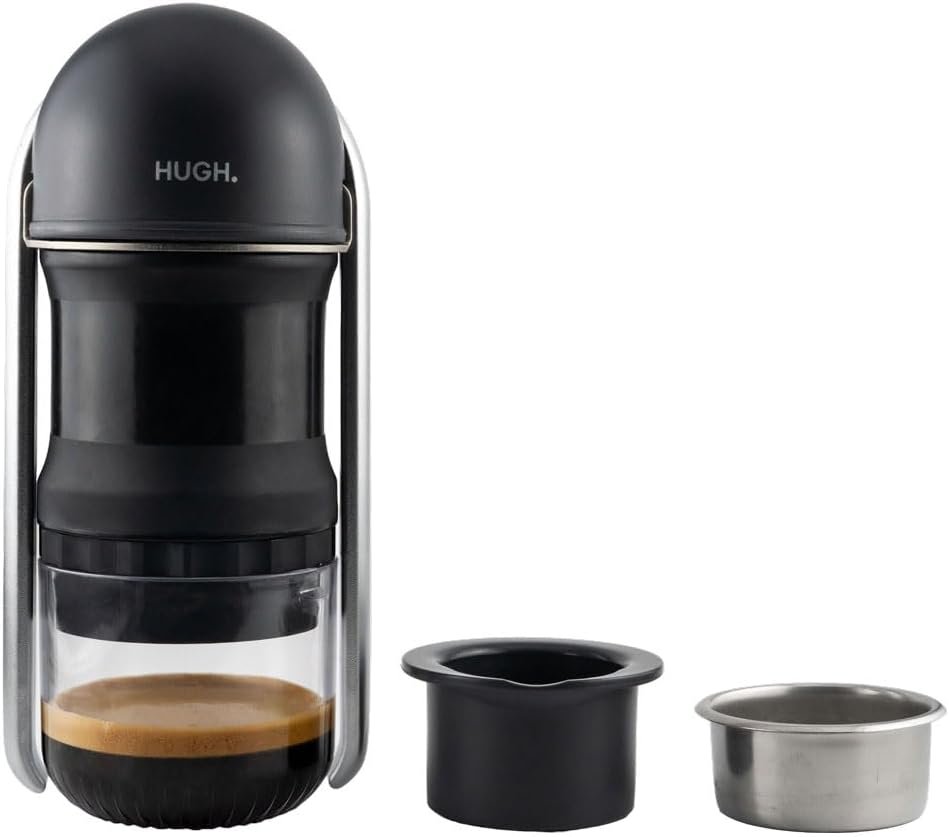
In the world of coffee and tea preparation, the choice of equipment significantly impacts the quality, consistency, and enjoyment of the final product. Whether you’re a home brewer, an avid traveler, or a camping enthusiast, the right tools can elevate your brewing experience from casual to exceptional. The Leverpresso V4 Portable Lever Espresso Maker represents a compelling option for those seeking a manual, portable solution that balances simplicity with precision. Its design caters to users who prioritize control over automation, emphasizing the fundamentals of extraction and temperature management. For individuals who value the ritual of manual brewing—whether in a remote wilderness or a bustling urban environment—the Leverpresso V4 offers a reliable, compact alternative to traditional espresso machines. This review explores how its specifications, materials, and brewing principles align with the needs of users who prioritize portability, manual control, and a pure extraction process. By focusing on objective factors such as grind consistency, heat retention, and workflow efficiency, this analysis provides a data-driven evaluation of its strengths and limitations for 2026 coffee and tea enthusiasts.
Quick Overview
| Feature | Details |
|---|---|
| Product Category | Manual Espresso Maker |
| Brewing Method | Lever-pressed manual extraction |
| Capacity | 120ml water chamber, 18g basket |
| Materials | BPA-free plastic, stainless steel, aluminum |
| Dimensions | 3.9″D x 3.9″W x 7.09″H |
| Weight | 1.87 pounds |
| Filter Compatibility | 51mm ridgeless portafilter basket |
| Best Suited For | Backpacking, camping, travel |
| Intended Use | Single or double shot espresso |
The Leverpresso V4’s design prioritizes portability without sacrificing essential brewing parameters. Its non-pressurized system and manual lever mechanism allow users to fine-tune extraction based on grind size and water temperature, while the durable materials ensure long-term usability. These features collectively support a brewing process that emphasizes control and simplicity, making it ideal for users who prioritize manual techniques over automated convenience.

Brewing Method Compatibility: Manual Control for Precision
The Leverpresso V4’s lever-pressed extraction system is its defining characteristic, offering users full control over the brewing process without reliance on electricity or batteries. This manual approach aligns with the principles of traditional espresso preparation, where the user’s skill and attention to detail directly influence the final cup. By eliminating electronic components, the machine reduces the risk of mechanical failure and simplifies maintenance. The non-pressurized design also ensures that the extraction is driven by the user’s application of force, rather than internal pressure, which can lead to more consistent results when paired with a quality grind. However, this method requires a higher level of user engagement compared to automated systems, which may be a consideration for those seeking a more hands-off experience.

Manual Extraction Principles
The Leverpresso V4’s lever system operates on the same principles as traditional manual espresso machines, where the user applies pressure to force water through the coffee grounds. This method allows for precise control over extraction time and pressure, which are critical factors in determining the flavor profile of the espresso. The absence of internal pressurization means that the user must balance the force applied with the grind size and water temperature to achieve optimal extraction. This requires a basic understanding of coffee science, such as the relationship between grind consistency and flow rate, which can be a barrier for novice users.
Grind Consistency and Flow Control
The machine’s compatibility with a 51mm ridgeless portafilter basket emphasizes the importance of grind consistency in manual extraction. A uniform grind size ensures even water flow through the coffee bed, preventing over-extraction or under-extraction. While the Leverpresso V4 does not have built-in mechanisms to adjust grind size, its design encourages users to focus on the quality of their grind, which is a key factor in manual brewing. The absence of a pressure gauge or temperature control means that the user must rely on experience and observation to achieve the desired balance between extraction and bitterness.
Temperature Stability
The non-pressurized system of the Leverpresso V4 means that water temperature is primarily influenced by the ambient conditions and the user’s ability to maintain a consistent pour. While this limits the machine’s ability to regulate temperature during brewing, it also reduces the risk of overheating, which can lead to over-extraction and a bitter taste. Users must be mindful of the water temperature, ideally keeping it within the 195°F to 205°F range for optimal extraction. This requirement highlights the trade-off between simplicity and control that the Leverpresso V4 offers.
Ease of Use and Workflow Complexity: Simplified Manual Brewing
The Leverpresso V4’s design prioritizes user-friendly operation, with a straightforward workflow that minimizes the need for complex adjustments. The machine’s compact size and lightweight build make it easy to handle, even for users with limited space or mobility. The lever mechanism is intuitive, requiring only a single motion to initiate the brewing process, which reduces the learning curve for new users. However, the lack of automated features means that the user must take on more responsibility for maintaining consistent results, which may be a drawback for those accustomed to fully automated systems.

Streamlined Assembly and Disassembly
The machine’s components are designed for easy disassembly, allowing users to clean each part individually without the need for specialized tools. The quick-release filter basket and removable water chamber simplify the cleaning process, which is essential for maintaining the quality of the brew over time. This design choice aligns with industry standards for manual espresso machines, where ease of maintenance is a key factor in long-term usability. The absence of complex internal mechanisms also reduces the likelihood of mechanical issues, contributing to the machine’s reliability.
Workflow Efficiency
The Leverpresso V4’s workflow is optimized for users who value efficiency and simplicity. The single-lever operation and minimal number of steps required to brew a shot make it ideal for situations where time is a constraint, such as during travel or outdoor activities. However, the lack of automated temperature control or pressure regulation means that the user must manually monitor and adjust the brewing process, which can be less convenient for those seeking a more hands-off experience.
User Experience Considerations
The machine’s design encourages a tactile interaction with the brewing process, which can enhance the user’s connection to the coffee-making ritual. The lever’s resistance and the sound of water flowing through the grounds provide immediate feedback, allowing users to adjust their technique in real time. This level of engagement is a significant advantage for coffee enthusiasts who enjoy the process of manual brewing, but it may be less appealing to those who prefer a more automated approach.
Temperature Control and Heat Stability: Balancing Simplicity and Consistency
The Leverpresso V4’s non-pressurized design means that temperature control is primarily dependent on the user’s ability to maintain a consistent water temperature during brewing. This approach simplifies the machine’s construction but requires the user to be mindful of the brewing conditions. The absence of an internal heating element or temperature regulation system means that the water temperature is influenced by the ambient environment, which can affect the extraction process. However, this design also reduces the risk of overheating, which can lead to over-extraction and a bitter taste.

Ambient Temperature Influence
The Leverpresso V4’s reliance on ambient temperature means that users must be aware of the conditions in which they are brewing. In colder environments, the water may need to be preheated to ensure it reaches the optimal extraction range of 195°F to 205°F. Conversely, in warmer conditions, the water may be too hot, leading to over-extraction and a less balanced cup. This requirement highlights the trade-off between simplicity and control that the Leverpresso V4 offers, as it places the responsibility of temperature management on the user.
Heat Retention and Material Efficiency
The machine’s materials, including BPA-free plastic and stainless steel components, contribute to its heat retention properties. While the non-pressurized system does not provide internal insulation, the materials used help to maintain a stable temperature during brewing. This is particularly important for users who may not have access to a heat source, as the machine’s design allows for brewing in a variety of environments. However, the lack of an insulated chamber means that the machine may not perform as well in extreme temperature conditions compared to fully automated systems.
User Adaptation and Technique
To achieve consistent results, users must adapt their technique to account for the machine’s limitations in temperature control. This may involve preheating the water or adjusting the brewing time to compensate for variations in ambient temperature. While this requires a level of expertise, it also allows for greater customization of the brewing process, which can be a significant advantage for coffee enthusiasts who enjoy experimenting with different variables.
Brew Consistency and Extraction Quality: The Role of Manual Technique
The Leverpresso V4’s ability to produce consistent brews depends heavily on the user’s skill and attention to detail. The manual extraction process requires a balance between the force applied to the lever and the grind size, which directly influences the extraction time and the resulting flavor profile. While the machine’s design does not provide built-in mechanisms to adjust these variables, it encourages users to focus on the fundamentals of coffee science, such as grind consistency and water flow.

Grind Consistency and Flow Rate
The machine’s compatibility with a 51mm ridgeless portafilter basket highlights the importance of grind consistency in manual extraction. A uniform grind size ensures even water flow through the coffee bed, preventing over-extraction or under-extraction. While the Leverpresso V4 does not have a built-in mechanism to adjust grind size, its design encourages users to focus on the quality of their grind, which is a key factor in manual brewing. This emphasis on grind consistency aligns with industry standards for manual espresso machines, where a quality grind is essential for achieving a balanced extraction.
Extraction Time and Flavor Profile
The Leverpresso V4’s manual extraction process allows users to fine-tune the extraction time by adjusting the force applied to the lever. This level of control is particularly beneficial for users who want to experiment with different brewing techniques and achieve a customized flavor profile. However, the lack of a pressure gauge or temperature control means that the user must rely on experience and observation to determine the optimal extraction time. This requirement highlights the trade-off between simplicity and control that the Leverpresso V4 offers, as it places the responsibility of achieving consistent results on the user.
User Skill and Experience
The machine’s performance is closely tied to the user’s skill and experience with manual brewing. While the Leverpresso V4 provides a reliable platform for producing espresso, the quality of the final cup depends on the user’s ability to maintain consistent pressure and water flow. This means that the machine is best suited for users who have a basic understanding of coffee science and are willing to invest time in mastering the brewing process. For those who prefer a more automated approach, the Leverpresso V4 may not be the ideal choice.
Cleaning and Maintenance Expectations: Simplified Hygiene
The Leverpresso V4’s design emphasizes ease of cleaning, with components that are easy to disassemble and rinse. The quick-release filter basket and removable water chamber allow users to clean each part individually, reducing the risk of residue buildup and ensuring a hygienic brewing experience. This design choice aligns with industry standards for manual espresso machines, where ease of maintenance is a key factor in long-term usability. However, the machine’s reliance on manual cleaning means that users must be diligent in their maintenance routine to prevent the accumulation of coffee oils and residue.
Disassembly and Rinse-Ready Components
The Leverpresso V4’s components are designed for simple disassembly, allowing users to clean each part without the need for specialized tools. The quick-release filter basket and removable water chamber make it easy to rinse the machine after each use, which is essential for maintaining the quality of the brew over time. This design choice reduces the likelihood of mechanical issues and ensures that the machine remains in good working condition with regular maintenance.
Long-Term Maintenance
While the Leverpresso V4’s design simplifies cleaning, the lack of dishwasher-safe components means that users must rely on manual cleaning to maintain hygiene. This requirement is a trade-off between simplicity and convenience, as the machine’s materials are not designed for high-temperature washing. However, the absence of complex internal mechanisms also reduces the risk of damage during cleaning, making it easier to maintain the machine’s functionality over time.
User Responsibility and Hygiene
The Leverpresso V4’s maintenance requirements place the responsibility of hygiene on the user, which can be a consideration for those who prefer automated cleaning features. While the machine’s design encourages regular cleaning, the lack of dishwasher compatibility means that users must invest time in manual maintenance. This requirement highlights the trade-off between simplicity and convenience that the Leverpresso V4 offers, as it prioritizes ease of use over automated hygiene features.
Pros & Cons
Pros
- Manual Control: The lever-pressed system allows users to fine-tune extraction pressure and time, offering greater control over the brewing process.
- Portability: Weighing under 1.5 lbs, the machine is ideal for camping, hiking, and travel, with a compact design that fits easily in a backpack.
- Durable Materials: Constructed with BPA-free plastic, stainless steel, and aluminum, the machine is built to withstand frequent use and outdoor conditions.
- Ridgeless Filter Basket: The 51mm ridgeless portafilter basket enhances extraction quality by allowing for a more uniform flow of water through the coffee grounds.
- Easy to Clean: Quick-disassembly components and rinse-ready materials make maintenance simple, reducing the risk of residue buildup.
- No Electronics: The absence of batteries or electronic components reduces the risk of mechanical failure and simplifies long-term maintenance.
- Versatile Use: Suitable for single or double shots, the machine can accommodate a variety of brewing needs, from solo use to sharing with others.
- Eco-Conscious Design: The use of sustainable materials aligns with environmentally conscious consumers who prefer products with minimal environmental impact.
Cons
- Limited Temperature Control: The non-pressurized system means users must manually manage water temperature, which can be less convenient in varying ambient conditions.
- No Pressure Regulation: The absence of a pressure gauge or adjustable pressure settings requires users to rely on experience to achieve consistent extraction.
- Manual Maintenance: The machine’s components are not dishwasher-safe, necessitating manual cleaning to maintain hygiene, which may be time-consuming.
- Grind Dependency: The quality of the final brew is heavily influenced by the user’s ability to achieve a consistent grind size, which may be a challenge for novice users.
- Limited Capacity: The 120ml water chamber is suitable for single or double shots but may not be ideal for those requiring larger quantities of espresso.
- No Built-In Insulation: The machine lacks an insulated chamber, which may affect heat retention in colder environments, requiring users to preheat water.
- Learning Curve: The manual nature of the machine requires a basic understanding of coffee science, which may be a barrier for first-time users.
Final Verdict: Who This Product Is Best For (and Who Should Skip It)
The Leverpresso V4 Portable Lever Espresso Maker is an excellent choice for users who prioritize manual control, portability, and simplicity in their coffee brewing process. It is particularly well-suited for outdoor enthusiasts, travelers, and individuals who enjoy the ritual of manual extraction. The machine’s design allows for a customizable brewing experience, making it ideal for those who are willing to invest time in mastering the fundamentals of manual espresso preparation. Its durable materials and ease of cleaning also make it a practical option for frequent use in various environments.
However, the Leverpresso V4 may not be the best choice for users who require automated temperature control, pressure regulation, or a more hands-off brewing experience. Those who prefer fully automated systems or have limited experience with manual brewing may find the machine’s learning curve and maintenance requirements challenging. Additionally, individuals who need a larger capacity for multiple servings or who prioritize advanced features such as built-in insulation may find the Leverpresso V4 lacking in certain aspects. Overall, the Leverpresso V4 is a reliable and versatile option for users who value simplicity, control, and portability in their coffee-making journey.
Frequently Asked Questions (FAQs)
How does the Leverpresso V4’s lever system affect extraction quality?
The Leverpresso V4’s lever system allows users to manually control the pressure applied during extraction, which directly influences the extraction time and flavor profile. By adjusting the force on the lever, users can fine-tune the brewing process to achieve a balanced extraction, though this requires attention to grind consistency and water temperature.
Is the Leverpresso V4 suitable for outdoor use?
Yes, the Leverpresso V4 is designed for portability and is well-suited for outdoor use. Its lightweight construction and compact size make it ideal for camping, hiking, and travel, allowing users to brew espresso in a variety of environments without the need for electricity or batteries.
What materials are used in the Leverpresso V4’s construction?
The Leverpresso V4 is constructed using BPA-free plastic, stainless steel, and aluminum. These materials ensure durability and resistance to wear, while also contributing to the machine’s lightweight and eco-conscious design.
Can the Leverpresso V4 be used for both single and double shots?
Yes, the Leverpresso V4 is capable of brewing both single and double shots. The 120ml water chamber and 18g basket allow for flexibility in serving sizes, making it suitable for individual use or sharing with others.
How easy is it to clean the Leverpresso V4?
The Leverpresso V4 is designed for easy cleaning, with components that can be quickly disassembled and rinsed. The removable water chamber and quick-release filter basket simplify the maintenance process, ensuring a hygienic brewing experience without the need for specialized tools.
Does the Leverpresso V4 require any special maintenance?
The Leverpresso V4 does not require special maintenance beyond regular cleaning. Its components are not dishwasher-safe, so manual cleaning is necessary to maintain hygiene. The absence of electronic parts also reduces the risk of mechanical issues, contributing to its long-term reliability.
Is the Leverpresso V4 suitable for beginners?
The Leverpresso V4 is best suited for users with a basic understanding of manual brewing techniques. While it offers control and simplicity, the machine requires attention to grind consistency and water temperature, which may present a learning curve for first-time users.