Ninja Luxe Café Pro ES701: Versatile Home Espresso System
Why equipment choice matters for home espresso and coffee
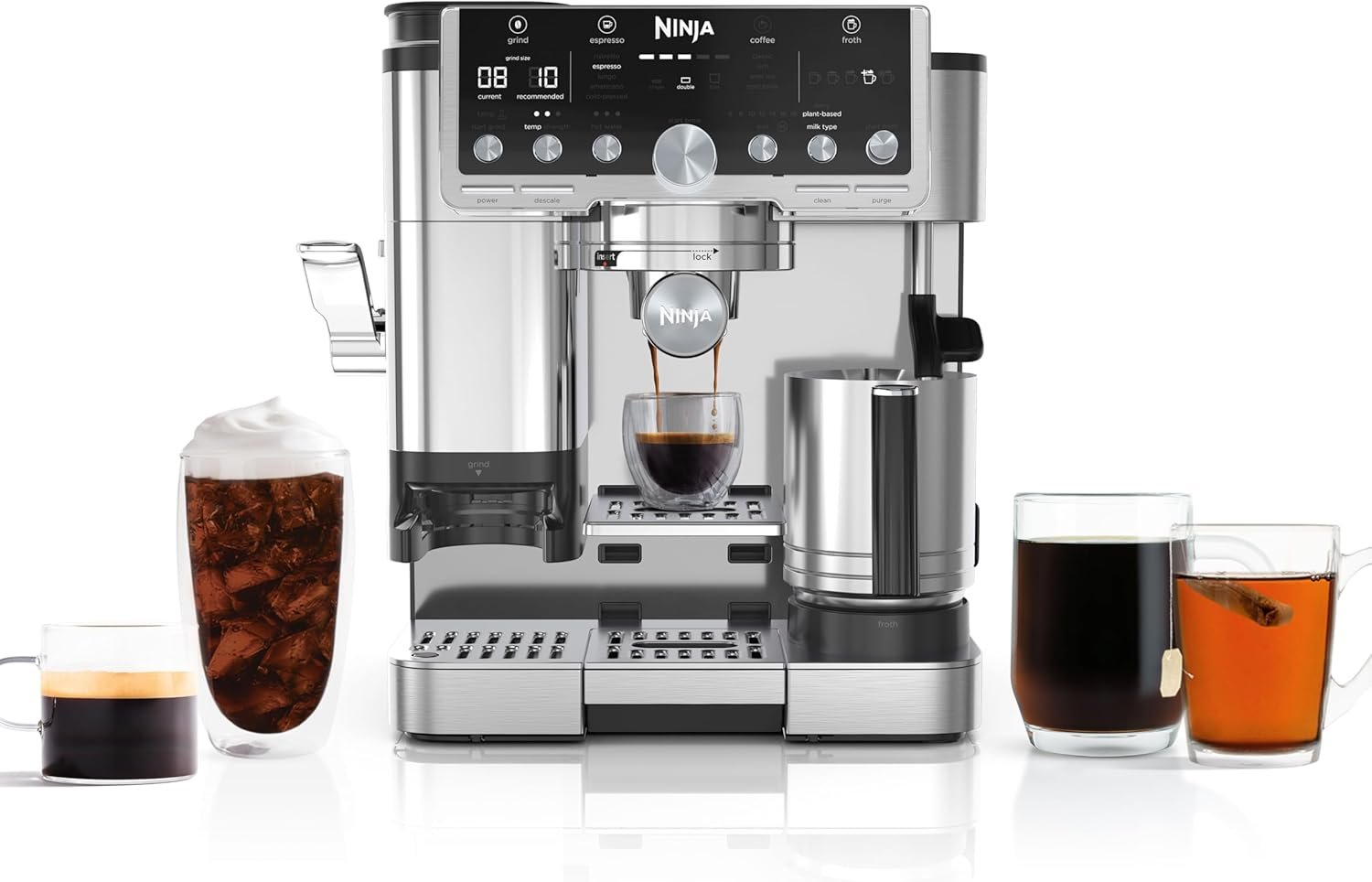
Selecting the right coffee and tea appliance shapes daily brewing outcomes, kitchen workflow, and long-term satisfaction. Home brewers, small households, and enthusiasts balancing convenience with control often prioritize machines that handle multiple methods, deliver repeatable extraction, and minimize maintenance. The Ninja Luxe Café Pro ES701 positions itself as a multi-function system combining no-guesswork espresso, drip coffee, cold brew, and independent hot water. Key decision factors for potential buyers include grind-to-dose consistency, the presence of a built-in grinder and scale, tamping repeatability, frothing versatility for dairy or plant-based milk, and the machine’s footprint and reservoir capacity. Material choices and included maintenance tools also influence durability and total cost of ownership. Understanding how features like weight-based dosing, Barista Assist automated adjustments, and a conical burr grinder interact with extraction principles (grind uniformity, brew ratio, temperature, and flow) helps buyers match the ES701 to household needs and skill levels.
Quick Overview
| Feature | Details |
|---|---|
| Product category | Espresso machine and multi-brewer combo (espresso, drip, cold brew, hot water) |
| Water reservoir capacity | 68 fluid ounces |
| Materials and finish | Stainless steel exterior with mixed plastic components |
| Grinder and dosing | Integrated conical burr grinder, 25 grind settings, weight-based dosing scale |
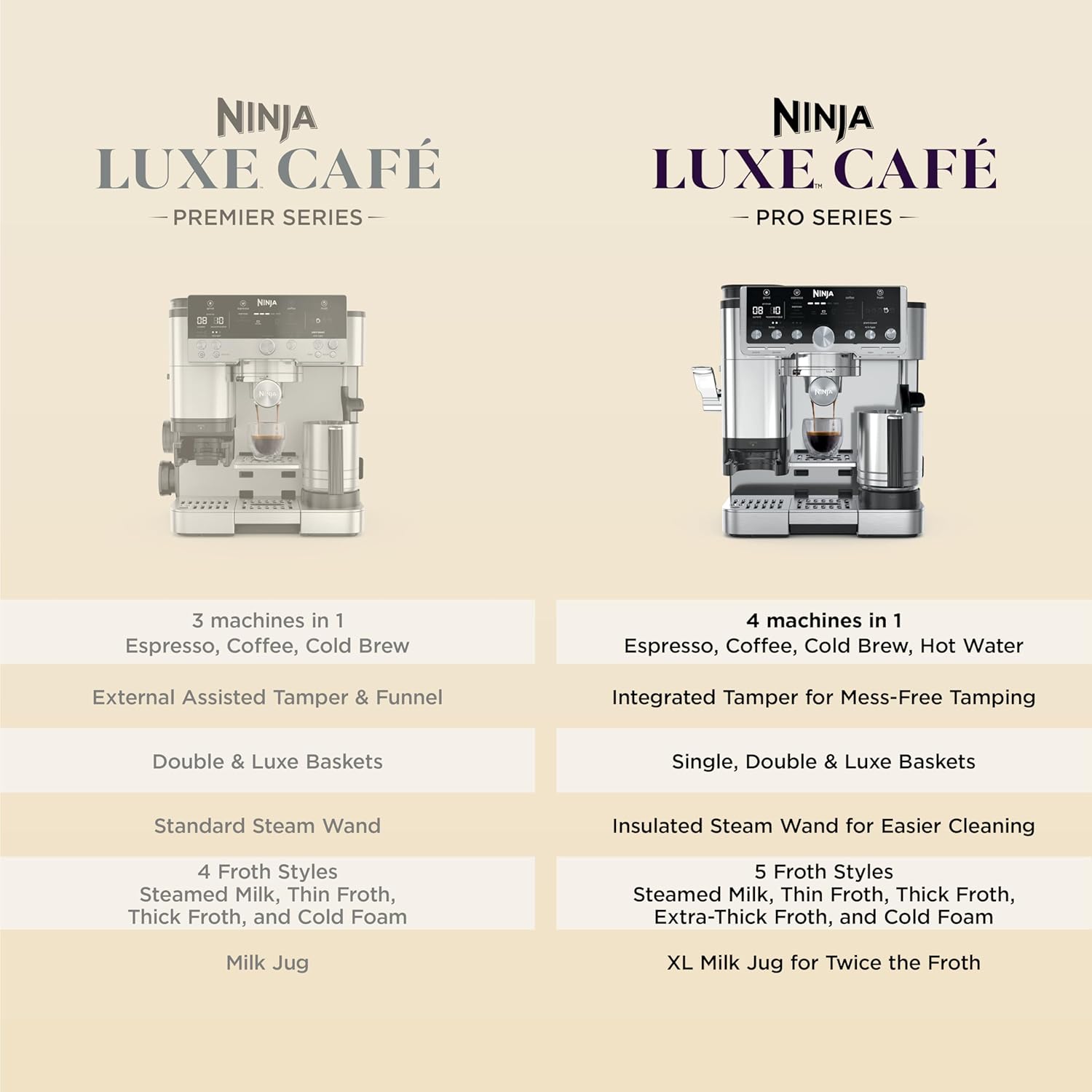
| Tamping and frothing | Integrated tamper lever, Dual Froth System Pro, insulated steam wand, XL milk jug |
| Brewing controls | Barista Assist Technology with grind recommendations and active brew adjustments for temperature and pressure |
| Brew sizes | Espresso (single, double, quad, ristretto, lungo); drip sizes 6–18 oz; cold brew styles |
| Included maintenance items | Cleaning brush, discs, descaling powder, cleaning tablets, hard water testing kit |
| Dimensions and weight | 13.39″D x 12.48″W x 14.84″H; 27.1 pounds |
| Dishwasher | Not dishwasher safe |
The specifications combine a compact professional-style approach with automation. Weight-based dosing and an integrated tamper streamline puck preparation for more repeatable extraction, while the conical burr grinder and Barista Assist reduce dialing time. The multi-brew functionality expands serving flexibility, but mixed-material construction and non-dishwasher components affect cleaning routines and care.

Brewing versatility and method compatibility
The ES701 targets households that want multiple brewing methods in a single footprint: no-guesswork espresso, well-balanced drip, rapid cold brew, and independent hot water for tea or Americanos. Supporting whole bean and ground input, the integrated conical burr grinder with 25 settings plus weight-based dosing enables grind adaptation for espresso and coarser cold-brew grinds. The machine’s preset espresso styles (single, double, quad, ristretto, lungo) and drip profiles (classic, rich, over-ice) provide repeatable outputs for different brew ratios. Cold-pressed espresso and cold brew modes accommodate lower-temperature extraction demands. However, full manual techniques—such as separate pressure profiling, bottomless portafilter work, or pour-over flow control beyond programmed settings—are outside the intended use, making the ES701 best for users who prefer guided versatility over hands-on, component-level control.
Espresso compatibility and extraction trade-offs
Compatibility for espresso-style drinks is enabled by a portafilter, integrated tamper, and weight-based dosing, which together help form consistent pucks and dose accuracy—two primary variables for stable extraction. The 25 grind settings on a conical burr grinder allow adjustment across the espresso-to-drip range, but the grinder is internal and intended for convenience rather than absolute grind-quality supremacy compared with dedicated high-end grinders. Extraction quality ultimately depends on grind uniformity, dose weight, tamp consistency, and water temperature timing; the ES701’s Barista Assist and integrated tamping mechanism reduce operator variability. For users focused on micro-adjustments (e.g., altering grind fines distribution or detailed flow profiling), a separate grinder and manual workflows will provide more granular control.
Drip and cold brew considerations
Drip and cold brew modes accommodate different extraction kinetics: drip uses higher temperatures and faster flow to extract soluble solids efficiently, while cold brew relies on long contact time at low temperature. The ES701’s drip profiles and multiple cup sizes (6–18 ounces) support varying brew ratios and intended strengths, and the rapid cold brew mode offers a shorter-cycle alternative to traditional overnight steeping by optimizing grind size and extraction time. Users should follow recommended grind size guidance from the Barista Assist to avoid under- or over-extraction, since coarser grinds for cold brew and finer grinds for espresso require distinct dosing and tamping approaches to achieve balanced flavor.
Ease of use and workflow complexity
The ES701 emphasizes guided operation via Barista Assist Technology, weight-based dosing, and an integrated tamper to simplify the sequence from beans to cup. The weight scale automates dose measurement and the tamp lever compresses grounds to a repeatable puck with a single motion, removing the need for manual tamp tools. Button-based human interface and preset drink profiles reduce steps for typical users, while included accessories (single/double baskets, Luxe basket, XL milk jug) support common recipes. Workflow efficiency is balanced against component access: internal grinder maintenance and non-dishwasher parts require manual cleaning steps, and the footprint and reservoir placement determine counter positioning. For households seeking minimal learning curve and predictable results, the ES701’s automation shortens setup and reduces dialing time compared with purely manual systems.

Integrated grinder and dosing workflow
The integrated conical burr grinder and built-in scale change the typical grinder-to-portafilter workflow by automating dose measurement and grinding directly into the brew head or portafilter. Weight-based dosing is a significant advantage for consistency because dose weight is a primary input in extraction calculations and brew ratio control. The 25 grind settings allow coarse-to-fine adjustments, but integrated grinders generally present limitations in accessibility for deep maintenance or burr replacement compared with standalone units. Noise levels, grind retention, and the need for periodic burr cleaning are workflow considerations; included cleaning tools and the manufacturer’s maintenance supplies facilitate upkeep but necessitate scheduled attention to preserve grind consistency.
Tamping, milk preparation, and hands-free frothing
The integrated tamper lever enables tamping at the pull of a lever, aiming to produce uniform puck compression without manual pressure measurement. Consistent tamping pressure combined with weight-based dosing promotes stable water flow and extraction. For milk-based drinks, the Dual Froth System Pro pairs an insulated steam wand with an XL milk jug and multiple froth presets for steamed milk, thin froth, thick froth, extra-thick froth, and cold foam. Hands-free frothing simplifies texture creation for dairy and plant-based milks, though microfoam quality depends on milk type, temperature, and jug technique; the automated system reduces operator skill requirements while still benefiting from occasional manual adjustments for latte art–grade microfoam.
Temperature control, pressure considerations, and extraction consistency
Temperature stability and pressure control are central to espresso extraction and coffee flavor clarity. The ES701’s Barista Assist states active brew adjustments for temperature and pressure to produce balanced flavor; weight-based dosing and an integrated tamper further reduce variability in puck resistance and flow rate. While manufacturer disclosures do not provide numeric pressure or PID temperature readouts, automated temperature management and targeted pressure adjustments are intended to maintain repeatable extraction conditions across successive brews. Users should manage variables like bean freshness, grind setting, and dose to align with the machine’s automated corrections. For drip and cold brew modes, temperature and contact time remain key: the machine’s profiles are designed to optimize these variables for each brew type, though extreme micro-adjustments are not exposed via user controls.

Heat system and temperature stability implications
Temperature impact on extraction is twofold: water temperature affects solubility of coffee compounds, and thermal stability of the brew path influences consistency between shots. The ES701’s active temperature adjustments aim to reduce variance by modulating heat input during extraction cycles, which helps in reaching stable brew temperatures for espresso and maintaining higher extraction temperatures for drip. Without explicit PID or temperature readouts in the user interface, users rely on presets and Barista Assist guidance to tune grind and dose rather than directly controlling setpoint temperatures. For tea or specialty beverage preparation, the independent hot water system allows instant access to hot liquid at an appropriate temperature for diluting espresso or steeping.
Pressure management and flow control considerations
Pressure and flow rate drive the rate of soluble extraction through the puck or filter bed. The ES701 indicates active pressure adjustments but does not publish a fixed pressure specification; this implies closed-loop adjustments rather than manual pressure profiling. Automated pressure control benefits users seeking consistent crema and extraction without learning manual pressure modulation techniques. However, espresso purists who prefer a stable nine-bar pump or the ability to manually profile pre-infusion and ramping may find the ES701’s automated system less flexible. For drip and cold brew, flow control is handled by the machine’s programmed algorithms, reducing the need for user-managed flow adjustments.
Capacity, cleaning, and long-term reliability
A 68-ounce water reservoir and XL milk jug provide substantial serving flexibility for families or multi-cup households. The machine’s size and weight require counter space considerations, and included accessories expand capacity for different drink styles. Cleaning expectations include regular removal of grounds, cleaning of the grinder chute, backflushing or cleaning cycles for the brew path where applicable, and descaling according to water hardness—the product ships with a hard water testing kit and descaling powder to support maintenance. Materials include a stainless steel exterior with mixed plastics; this combination balances durability and cost but means that wear points (internal grinder burrs, steam wand seals, and certain plastic fittings) will need periodic attention for long-term reliability.

Reservoir, capacity planning, and serving flexibility
The 68-ounce reservoir supports several espresso shots or multiple drip servings before refilling, reducing interruption in high-use households. Predefined drip sizes (6–18 ounces) and multiple espresso options, plus dual frothing capacity for two drinks, make the ES701 useful for brunches or small gatherings. Cold brew modes and independent hot water further increase usable beverage types without switching appliances. Countertop placement should account for depth and height, and the machine’s weight suggests semi-permanent placement to avoid frequent repositioning.
Maintenance, cleaning cycle, and component wear
Included maintenance items—cleaning brush, discs, tablets, descaling powder, and a hard water test kit—indicate manufacturer emphasis on routine care. Non-dishwasher-safe components require hand washing, and the integrated grinder will accumulate fines and oils that must be cleaned to maintain grind consistency. Burr wear is an expected long-term factor for any burr grinder; the integrated conical burrs will eventually require replacement or professional service. Steam wand internals, seals, and gaskets are typical service points in machines combining steaming and automated frothing; following the supplied maintenance schedule and water hardness guidance will prolong functional reliability.

Pros & Cons
Pros
- Versatile multi-brewing platform: Offers espresso, drip coffee, rapid cold brew, and independent hot water in a single unit, reducing the need for separate appliances while supporting diverse household beverage needs.
- Integrated grinder with weight-based dosing: A conical burr grinder plus built-in scale provides measured dosing that improves reproducibility and reduces manual weighing steps common in standalone setups.
- Barista Assist guided adjustments: Automated grind-size recommendations and active temperature and pressure adjustments lower the learning curve for consistent extraction and shorten dialing time for users.
- Integrated tamper and portafilter accessories: The tamping lever and included single/double/Luxe baskets simplify puck preparation and support typical espresso dose workflows without extra tools.
- Dual Froth System Pro for milk versatility: Hands-free steaming and whisking with multiple froth presets accommodate dairy and plant-based milks and can froth for two drinks at once.
- Substantial reservoir and accessory kit: A 68-ounce reservoir, XL milk jug, and included maintenance supplies support frequent use and initial upkeep without immediate accessory purchases.
- Comprehensive included cleaning supplies: Descaling powder, cleaning tablets, and a hard water test kit help users establish preventive maintenance routines to protect extraction quality.
Cons
- Limited manual control for purists: Automated temperature and pressure adjustments reduce manual profiling options, which may disappoint users seeking full control over pre-infusion, pressure ramps, or PID setpoints.
- Integrated grinder limitations: Internal grinders are convenient but can be harder to service, quieter or louder than high-end standalone grinders, and typically offer less absolute grind uniformity than top-tier separate burr units.
- Cleaning complexity and non-dishwasher parts: Several components are not dishwasher safe and the integrated grinder requires periodic manual cleaning, increasing maintenance time compared with fully dishwasher-friendly designs.
- Footprint and weight considerations: At over 27 pounds with a sizable depth and height, counter space and semi-permanent placement must be planned, which could be restrictive in small kitchens.
Final Verdict: Who This Product Is Best For (and Who Should Skip It)
The Ninja Luxe Café Pro ES701 suits home brewers and households that value guided convenience, multi-method flexibility, and repeatable results without owning separate grinders or machines. It aligns with users who want a single appliance capable of producing espresso-style drinks, drip coffee, rapid cold brew, and instant hot water with a simplified workflow: weight-based dosing, an integrated tamper, and automated frothing reduce the manual skill required to achieve consistent beverages. Families and small gatherings benefit from the 68-ounce reservoir and dual-frothing capacity, while the included maintenance kit supports long-term upkeep when water hardness is managed.
This machine is less appropriate for espresso purists, specialty coffee professionals, or users who require full manual control over pressure and temperature profiling or prefer a high-end standalone grinder for maximum grind consistency. Those with very small counters should verify dimensions before purchase. Overall, the ES701 represents a balanced, automation-forward option for 2026 home users seeking café-style versatility and a streamlined brewing workflow without investing in multiple dedicated appliances.

Frequently Asked Questions (FAQs)
Can the Ninja Luxe Café Pro ES701 grind whole beans and dose by weight?
Yes. The ES701 includes an integrated conical burr grinder with 25 grind settings and a built-in scale for weight-based dosing. Weight-based dosing improves repeatability by measuring actual grounds delivered for a target dose, which supports consistent brew ratios and extraction when paired with appropriate grind size and tamping.
Is the ES701 suitable for cold brew and how does the machine handle cold extraction?
The ES701 offers cold brew modes including cold-pressed espresso and cold brew coffee, which use coarser grind settings and extended contact time to extract soluble compounds at low temperatures. Following the machine’s grind recommendations helps avoid over- or under-extraction; for best results, use fresh beans and adjust grind size according to the Barista Assist guidance.
How does the integrated tamper affect espresso preparation?
The integrated tamper lever provides a repeatable tamping action that standardizes puck compression, reducing a common source of variability in espresso extraction. Combined with weight-based dosing, the tamper helps create consistent resistance in the puck and more stable flow, which contributes to more uniform extraction across shots.
What cleaning and maintenance should be expected with this machine?
Routine maintenance includes cleaning the grinder chute and burrs, emptying and rinsing grounds, descaling per water-hardness guidelines, and cleaning steam wand components after milk use. The product ships with cleaning tablets, descaling powder, and a hard water test kit; several parts are not dishwasher safe and require hand washing to preserve seals and finishes.
Does the machine allow manual pressure and temperature profiling?
Manufacturer disclosures indicate active adjustments for temperature and pressure through Barista Assist, but the ES701 does not expose numeric PID readouts or manual pressure profiling controls typical of pro-level machines. The system is automation-focused to maintain consistency rather than offering full manual profiling capabilities.
Who should consider an alternative to the Ninja Luxe Café Pro ES701?
Users who demand full manual control over pressure ramps, dedicated high-end standalone grinders for ultimate grind uniformity, or a completely manual espresso workflow may prefer separate components. Additionally, those with very limited counter space or who require dishwasher-safe parts might find other designs better suited to their needs.