Ninja Pods & Grounds PB041ST: Better Single-Serve Brewing for Home
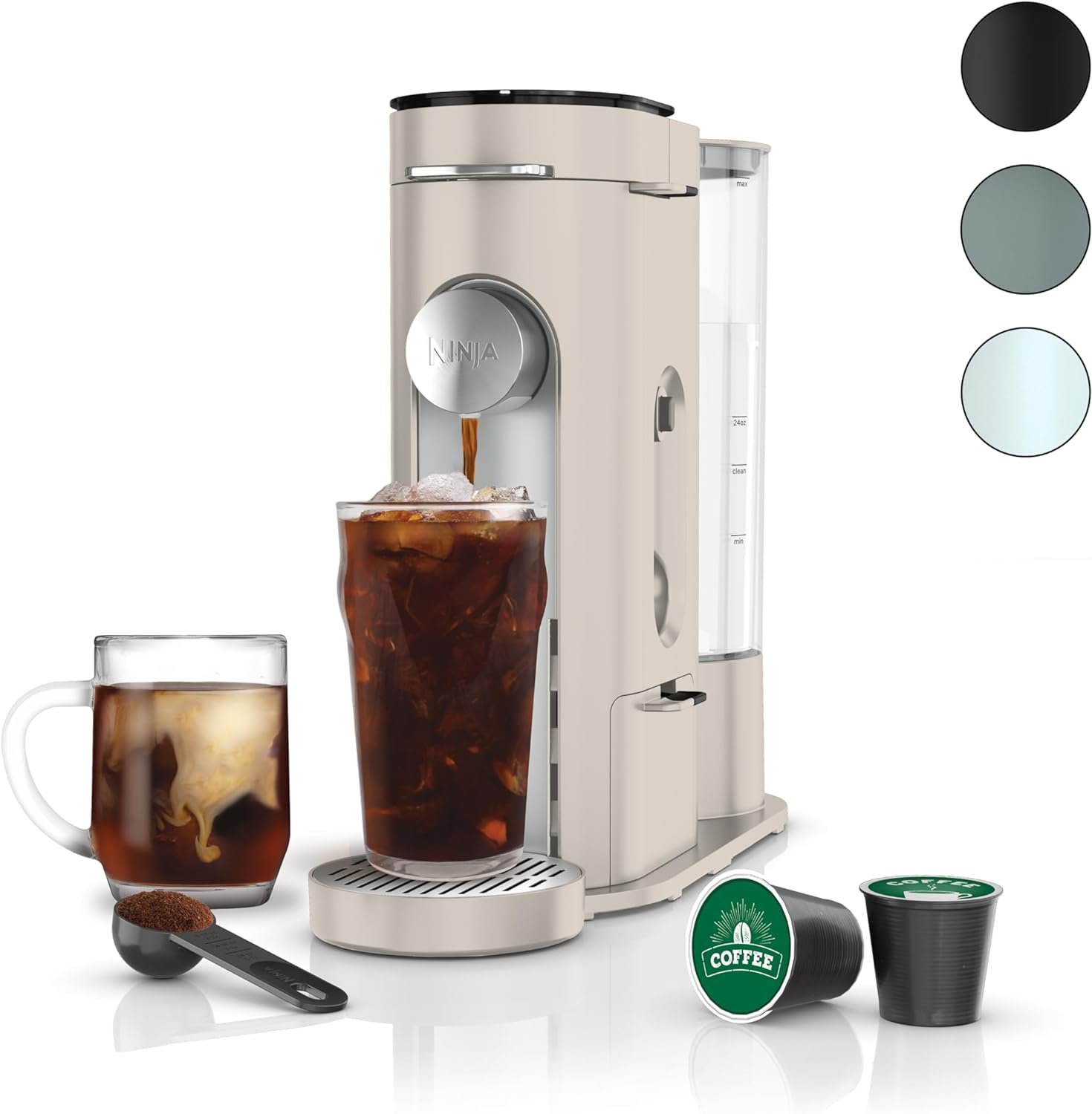
Choosing the right single-serve coffee maker affects extraction, temperature control, and daily workflow. Home brewers and busy households need devices that balance flavor potential with convenience, and single-serve brewers vary widely in how they handle grounds, pods, water delivery, and heat. A compact brewer that accepts both pods and loose grounds widens recipe options but also introduces trade-offs in user interface, maintenance, and extraction control. For buyers seeking iced coffee or travel-mug servings, reservoir capacity and brew-volume flexibility affect refill frequency and dilution patterns. Durable materials, removable components, and dishwasher-safe parts influence long-term upkeep and perceived value. Understanding the interaction between brewing method compatibility, temperature stability, pressure-agnostic extraction, and grind-to-brew workflows helps align expectations with product capabilities. This review synthesizes publicly available specifications, manufacturer disclosures, materials and design characteristics, and common customer review themes to help potential buyers evaluate whether the Ninja Pods & Grounds PB041ST meets household brewing needs, fits counter space, and supports consistent coffee quality across pods and grounds.
Quick Overview
| Feature | Details |
|---|---|
| Product category | Single-serve drip coffee maker compatible with pods and grounds |
| Brewing methods | Pod (K-Cup) and ground coffee extraction, three brew styles (Classic, Rich, Over Ice) |
| Reservoir capacity | 56-oz. removable water reservoir |
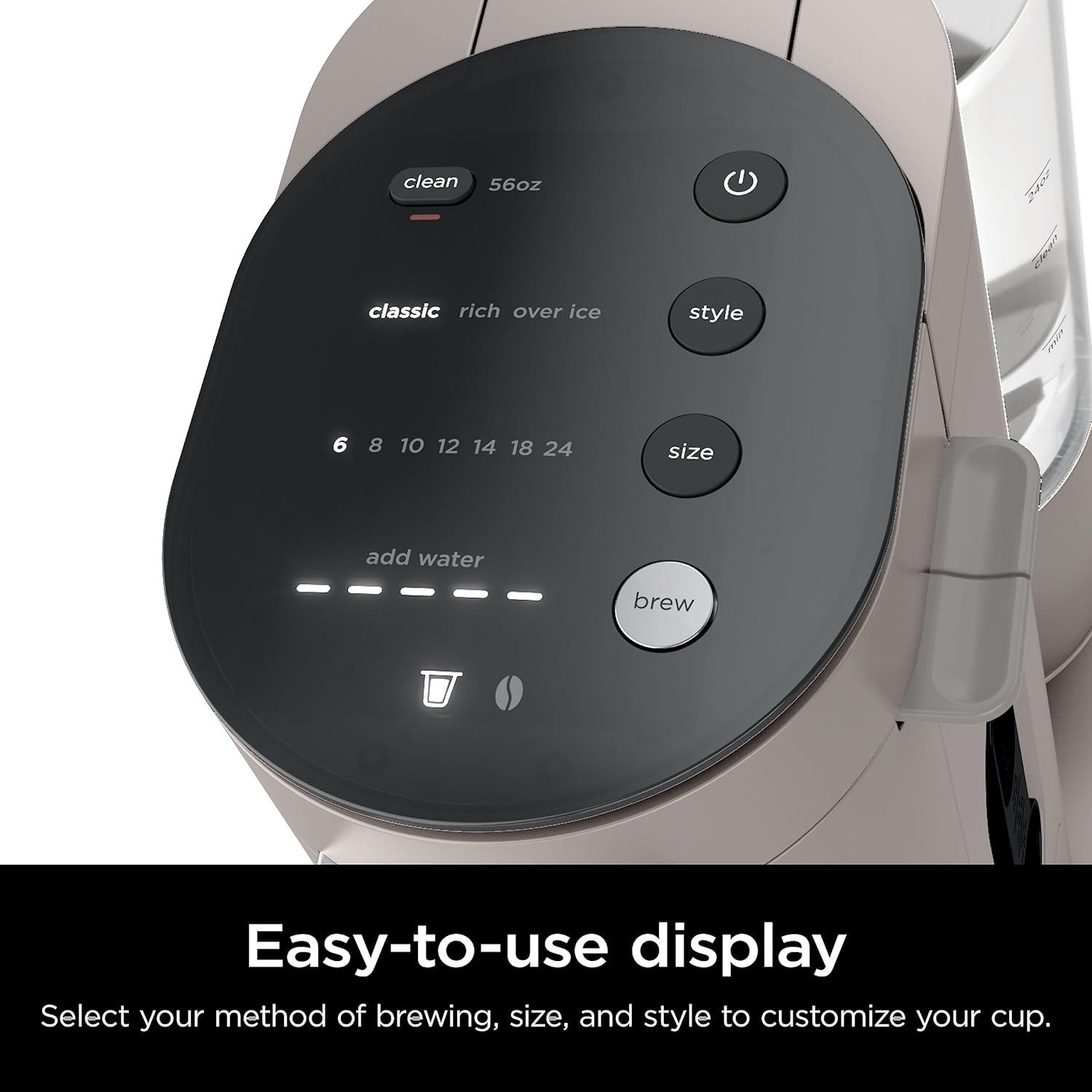
| Brew sizes | Pod: 6, 8, 10, 12 oz.; Grounds: 6, 8, 10, 12, 18, 24 oz. |
| Heating system | Manufacturer-described temperature control system (Thermal Flavor Extraction Duo) for even saturation and precise temp control |
| Materials & construction | Plastic exterior and internal components, dishwasher-safe removable parts, compact footprint |
| Included components | Removable brew basket, pod adapter, scoop, filter, storage drawer |
| Cleaning & maintenance | Dishwasher-safe parts specified; removable reservoir for refilling and cleaning |
| Best suited users | Individuals or small households seeking pods/grounds flexibility, iced coffee without dilution, and compact design |
| Warranty & support | Manufacturer warranty and support as disclosed by seller/manufacturer |
The table summarizes how the brewer’s modular design, removable reservoir, and dual compatibility translate to practical use. Removable and dishwasher-safe parts reduce friction for routine cleaning, while the specified temperature-control system aims to support consistent extraction. Brew size range for grounds extends flexibility for travel mugs and iced preparations, and included storage features help maintain a compact counter footprint.

Brewing method compatibility
The brewing compatibility of a single-serve machine determines which recipes and beans it can reliably handle; the Ninja PB041ST supports both K-Cup style pods and loose grounds, expanding drink options. Compatibility with grounds requires a brew pathway designed for even saturation and appropriate flow rate, while pod usage depends on a pod adapter and puncture/flow design that preserves pressure-independent extraction. Because this machine is a drip-style single-serve system rather than a pumped espresso machine, pressure is not a primary factor; extraction is governed by water temperature, contact time, and flow dynamics. The included permanent filter and removable brew basket support different grind sizes, but optimal extraction with grounds relies on medium grind profiles typical for drip brewing. Users relying on finely ground espresso-style grinds should expect differences in flow and potential channeling, whereas medium-coarse to medium grinds align best with the stated brewing method.

Pod compatibility and limitations
The machine is explicitly compatible with K-Cup style pods via a supplied pod adapter, which makes pod-based brewing a convenient option. Pod-based extraction on single-serve drip systems is fundamentally flow-limited and temperature-dependent rather than pressure-driven, so flavor concentration and crema-producing factors associated with espresso machines are not expected. Pod compatibility supports consistent dosing and low-mess operation, but it constrains brew-size options compared with grounds in some cases and can produce different extraction profiles across the four pod sizes supported. Consumers should expect slightly different body and perceived strength between pods and fresh grounds due to the prepackaged and pre-dosed nature of pods.
Grounds handling and grind recommendations
Grounds brewing relies on even saturation and control of flow rate; the PB041ST’s removable brew basket accommodates loose grounds and the permanent filter. For consistent extraction, medium grind size (similar to pour-over or automatic drip) optimizes flow and prevents over-extraction or excessive fines passing through the filter. The machine’s brew styles (Classic, Rich, Over Ice) adjust water volume or saturation patterns, but they do not alter pressure; therefore grind adjustments remain the primary lever to tune extraction. Coarse grounds suitable for a French press will under-extract, while fine espresso-style grinds risk slow flow and bitterness in a drip single-serve pathway.
Ease of use and workflow complexity
Ease of use matters for everyday adoption, and the Ninja PB041ST emphasizes simplicity with push-button controls, a removable 56-oz. reservoir, and a compact footprint that fits smaller counters. The storage drawer for the brew basket or permanent filter reduces clutter and supports a tidy workflow, while dishwasher-safe parts simplify routine cleaning. Workflow steps differ for pods versus grounds: pod brewing typically requires inserting the pod adapter and placing a pod, whereas grounds brewing requires measuring with the included scoop and loading the removable brew basket. The machine’s three brew styles provide preset choices, which reduces the need for manual parameter adjustments but also limits granular control. For households that value quick, repeatable routines and low setup complexity, the design minimizes friction; users desiring manual control over pour profile or brew time will find the presets more restrictive.

Control interface and presets
The front-panel buttons and labeled brew-style options remove much of the guesswork, allowing selection between Classic, Rich, and Over Ice without manual tweaking of temperature or flow. Presets are useful for consistency across daily routines, especially for users unfamiliar with extraction variables. However, presets abstract away parameters like pre-infusion time, pulse pouring, or exact flow control that experienced brewers may use to dial in roast-specific nuances. The absence of a visible temperature readout or adjustable flow-rate control means that fine-tuning must rely on grind size, dose, and brew-style selection rather than direct machine settings.
Refilling, reservoir handling, and footprint
The 56-oz. removable reservoir supports multiple single-serve pours before refilling, reducing interruptions for small households, and the pull-out design simplifies sink refills and reservoir cleaning. The compact dimensions keep counter impact low and make the unit suitable for smaller kitchens or dormitory use. However, the reservoir and drip tray geometry determine how easy it is to access and clean internal spaces; the removable reservoir helps mitigate scale and residue buildup but requires regular descaling and attention to water quality to maintain performance over time.
Temperature control and heat stability
Temperature is a primary determinant of extraction quality; the PB041ST references a Thermal Flavor Extraction Duo intended to deliver even saturation and precise temperature control for grounds and pods. In drip extraction, optimal water temperatures typically fall within a range that supports soluble compound extraction without excessive bitterness; manufacturer-designed heating systems aim to maintain water delivery within that range. Heat stability in single-serve systems is influenced by heater wattage, thermal mass, and the timing of water delivery through the grounds or pod. The machine’s removable reservoir and compact heating pathway reduce thermal mass, which can speed heat-up times but also require consistent power cycling to sustain stable temperatures over multiple pours. For iced preparation, the Over Ice setting adjusts volume and concentration to compensate for ice, which reduces dilution but still depends on initial brew temperature and concentration to preserve perceived flavor balance.

Thermal Flavor Extraction Duo explained
The advertised Thermal Flavor Extraction Duo suggests a two-part approach: even water saturation across grounds and a controlled water-temperature profile during brew. Even saturation reduces channeling and uneven extraction by ensuring water contacts all coffee particles, while steady temperature preserves predictable solubles extraction. In practice, a combination of delivery rate, showerhead or flow design, and heating element control determines how closely an appliance achieves those aims. The efficacy of a duo system depends on engineering that limits temperature drop between the heater and the brew path and on a flow pattern that wets grounds evenly, which influences extraction consistency for both pods and loose grounds.
Over Ice operation and cold beverage extraction
The Over Ice mode targets iced coffee by brewing a stronger, more concentrated beverage directly over ice to compensate for melt-related dilution. Since cold drinks rely on a higher initial concentration to maintain flavor as ice melts, the brewer reduces water volume or increases contact concentration through the preset. The quality of over-ice extraction depends on grind, dose, and water temperature; a concentrated hot brew poured over ice preserves aromatics and acidity more effectively than a dilute brew. Because the system is still a temperature-driven drip pathway without pressurization, iced recipes must be designed to balance solubles extraction and cooling dynamics to avoid muted flavor.
Brew consistency and extraction quality
Consistent extraction is a combination of water temperature stability, even saturation, and reproducible dosing. The PB041ST’s removable brew basket and permanent filter, together with the Thermal Flavor Extraction Duo and measured brew sizes, aim to standardize those variables for everyday use. The included scoop provides a dosing reference, but variability arises from differences in grind, tamping (if any), and how grounds are leveled in the basket. For pod users, dose and particle distribution are pre-fixed, improving repeatability at the expense of freshness and grind tailoring. The brew-style presets modify water volume and saturation profile, which helps users target different strength levels without manual changes. Extraction quality for grounds is therefore a factor of consistent dosing, appropriate grind, and regular cleaning to avoid old residue that can alter flavor and flow.

How grind consistency affects results
Grind particle distribution is a primary lever for controlling extraction in drip systems: finer particles increase surface area and extraction rate but can slow flow and increase risk of over-extraction; coarser particles reduce extraction and risk sourness. Because the PB041ST relies on passive gravity-fed flow rather than pressure, medium grind sizes achieve a balance of flow and extraction. Inconsistent grind size or excessive fines can clog filters or create uneven channels in the bed, while overly coarse particles lead to under-extraction. For the best results, use a burr grinder set to medium drip settings and adjust one step finer or coarser in response to perceived acidity or bitterness.
Impact of maintenance on extraction stability
Residues, old oils, and mineral buildup change flow rate and heat transfer over time, degrading extraction consistency. The brewer’s dishwasher-safe components and removable reservoir reduce maintenance friction, and routine rinsing of the brew basket and periodic descaling help maintain temperature transfer and flow characteristics. Consumers reporting flavor changes often cite insufficient cleaning or infrequent descaling; addressing those maintenance tasks preserves the designed extraction profile and ensures that the Thermal Flavor Extraction Duo and flow pathways operate as expected.
Capacity and serving flexibility
Capacity and serving flexibility determine whether a single-serve machine fits household patterns; the PB041ST’s 56-oz. reservoir enables multiple single-serve beverages between refills and supports a grounds brew up to 24 oz. for travel mugs. The distinction between pod and grounds brew sizes is important: pods are limited to four defined sizes up to 12 oz., while grounds allow larger 18- and 24-oz. servings. For households with varied routines—single cups in the morning, larger travel mugs for commutes, and iced beverages—the expanded grounds sizes increase utility. The compact footprint preserves counter space, but the capacity trade-off is the need to refill reservoir regularly in larger households. Durability of plastic components, drip-tray clearance for travel mugs, and the design of the brew head influence how conveniently larger servings are handled without splashing or overflow.

Travel mug and iced serving considerations
The 24-oz. grounds option targets travel-mug users, reducing the need to brew multiple times. For over-ice and travel-mug servings, concentrate control via the Rich and Over Ice presets provides higher-soluble extraction to maintain flavor after cooling or as ice melts. Cup clearance, drip tray design, and the angle of the brew spout affect how easy it is to place taller travel mugs; low clearance can force the use of a smaller vessel or removal of the drip tray. Buyers who frequently use tall mugs should confirm physical dimensions relative to their preferred travel vessels.
Durability and long-term reliability factors
Component materials—primarily molded plastics and removable assemblies—determine long-term wear, while dishwasher-safe claims ease component cleaning but can accelerate wear if parts are not rated for repeated high-temperature cycles. Reservoir seals, the pod adapter mechanism, and the brew-basket hinge points are common wear areas cited in customer feedback for similar machines. Regular descaling, careful handling of removable parts, and adherence to manufacturer cleaning guidance help extend functional lifespan. Users should expect normal wear in a domestic environment and consider extended warranty options if long-term durability is a primary decision factor.
Pros & Cons
Pros
- Dual compatibility with pods and grounds allows flexibility between convenience and flavor-focused brewing. The supplied pod adapter and removable brew basket mean users can switch modes without additional accessories, broadening recipe choices.
- Wide grounds brew-size range up to 24 oz. supports travel-mug brewing and larger single-serve requirements. This flexibility reduces the need to brew multiple cycles for larger servings.
- Removable 56-oz. water reservoir simplifies refilling and cleaning. Larger reservoir capacity lowers refill frequency for single-cup households and supports multiple pours per fill.
- Three preset brew styles (Classic, Rich, Over Ice) simplify routine selection and tailor water volume/saturation for common preferences. Presets help users consistently produce drink profiles without manual parameter adjustments.
- Compact footprint and storage drawer for the brew basket or permanent filter aid counter-space management and organization. The design is suitable for small kitchens, dorms, and limited counter areas.
- Dishwasher-safe removable parts reduce maintenance friction and encourage regular cleaning. This feature supports sustained extraction quality when washing is performed as recommended.
Cons
- As a drip-style single-serve machine, it lacks pressure-based extraction; espresso-like drinks are not achievable. Buyers seeking espresso or high-pressure extraction should consider dedicated espresso equipment with pumps and portafilters.
- Limited manual controls restrict granular tuning for experienced brewers. Absence of adjustable temperature readouts or flow control means grind and dose are primary tuning levers.
- Predominant use of plastics in construction may affect perceived durability for some users. Repeated dishwasher cycles and daily handling can accelerate wear in stress points over time.
- Pod brew sizes cap at 12 oz., which may be insufficient for some travel-mug users relying on pods. Users wanting larger pod-based servings will need to use grounds instead.
Final Verdict: Who This Product Is Best For (and Who Should Skip It)
The Ninja Pods & Grounds PB041ST suits buyers seeking single-serve versatility in a compact appliance that accepts both K-Cup style pods and loose grounds. It is appropriate for individuals and small households that value quick, repeatable routines, iced coffee options without dilution, and travel-mug capability up to 24 oz. The removable 56-oz. reservoir and dishwasher-safe parts reduce daily friction and support consistent use patterns. Buyers prioritizing convenience and a range of preset brew styles will find the PB041ST aligns with practical home brewing needs.
This product is less suitable for those seeking pressure-based espresso extraction, advanced temperature or flow control, or predominantly metal-bodied appliances for maximum longevity. Experienced brewers who require fine-grained control over pre-infusion, pour profile, or temperature readouts should consider standalone pour-over setups, dedicated espresso machines, or higher-end single-serve systems offering manual adjustments. For its intended audience, the PB041ST balances flexibility, compact design, and user-friendly features while reflecting the typical trade-offs inherent to multi-mode single-serve brewers.
Frequently Asked Questions (FAQs)
Can the Ninja PB041ST brew both K-Cup pods and loose grounds?
Yes. The Ninja PB041ST includes a pod adapter for K-Cup style pods and a removable brew basket for loose grounds. Pod brewing offers convenience with fixed dosing, while grounds enable more flexibility in grind size and dose. Extraction characteristics differ between the two modes because pods are pre-dosed and sealed, whereas grounds require appropriate medium grind size for consistent flow and extraction.
How does the Over Ice setting prevent diluted iced coffee?
The Over Ice preset reduces brew water volume or increases concentration to compensate for ice melt, producing a beverage with higher initial soluble concentration. Brewing a stronger hot concentrate over ice preserves flavor as the drink cools and ice melts. Success depends on using appropriate grind and dose so extraction yields sufficient soluble content without excessive bitterness.
What grind size is recommended when using loose grounds in this machine?
A medium grind, similar to what is used for automatic drip machines or pour-over, is recommended. Medium grind supports balanced flow and extraction in a gravity-fed single-serve pathway; overly fine grinds can slow flow and produce bitterness, while too coarse grinds risk under-extraction and sourness. Adjust one step finer or coarser based on taste and brew-style selection.
How often should the removable reservoir and brew basket be cleaned?
Routinely rinse the reservoir and brew basket after daily use and perform a more thorough cleaning weekly or as needed. Periodic descaling according to water hardness and manufacturer guidance helps maintain heater performance and consistent temperature. Dishwasher-safe labeling applies to removable parts, but following manufacturer temperature recommendations preserves component life.
Does this machine produce espresso or pressure-based drinks?
No. The PB041ST is a drip-style single-serve brewer that does not use pump-driven pressure for espresso extraction. It relies on temperature-controlled water delivery and even saturation for extraction, so espresso-style crema and pressure extraction characteristics are not achievable with this design.
What are common durability considerations for buyers?
Durability considerations include the prevalence of molded plastic components, wear on reservoir seals and pod adapter mechanisms, and long-term effects of repeated dishwasher cycles on removable parts. Regular maintenance—such as descaling, careful handling of removable parts, and following cleaning guidance—reduces wear and contributes to longer functional life.


