Yabano 6-Cup Moka Pot Review — Stovetop Espresso Guide US
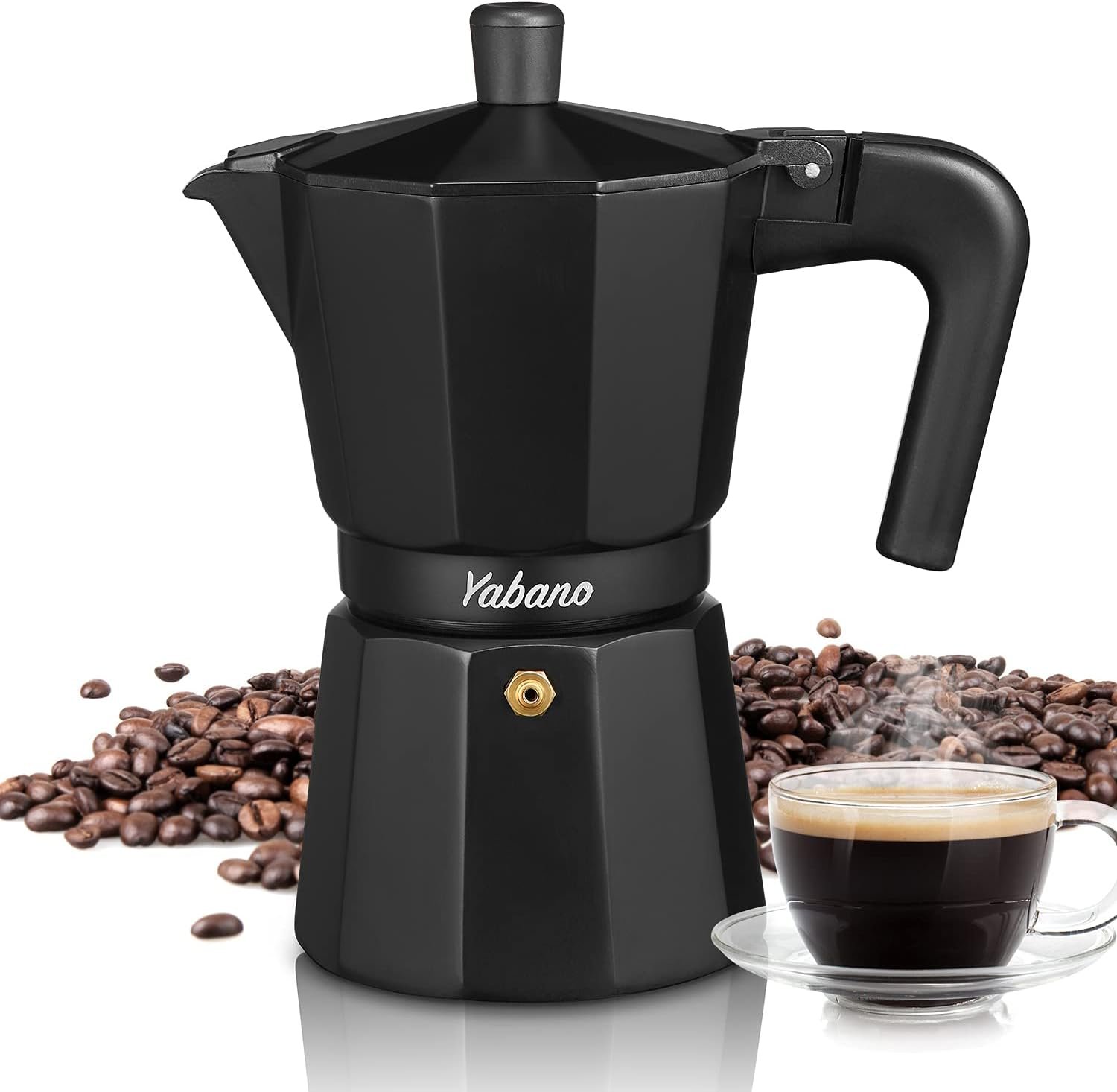
Why the right stovetop espresso maker matters for home brewing
Choosing the appropriate stovetop espresso maker influences extraction control, temperature stability, and the workflow for daily coffee routines. Home brewers and small households seeking concentrated Italian-style coffee rely on materials, safety features, and capacity when selecting a moka pot. A cast aluminum, six-cup moka pot targets users who want a compact manual brewer capable of producing demitasse-strength shots for lattes, cappuccinos, or straight espresso-style pours without an electric pump. Key considerations include stovetop compatibility, the relationship between grind size and extraction, how heat transfer affects taste, and maintenance demands tied to a sealed three-chamber design. For households prioritizing quick, manual brewing with minimal equipment, a classic moka pot can deliver concentrated coffee while requiring attention to seating, sealing, and the brewing workflow to avoid leaks and manage handle exposure to heat. Comparative expectations should reflect that moka pots produce high-soluble-strength brews that differ from machine espresso in crema, pressure, and extraction dynamics.
Quick Overview
| Feature | Details |
|---|---|
| Product category | Stovetop moka pot (Italian-style) |
| Brewing method | Manual pressure brew via steam/boiler chamber (moka principle) |
| Stated capacity | 6-cup (Italian demitasse measure; yields small concentrated servings) |
| Construction materials | Cast aluminum body, flame-retardant plastic handle and lever |
| Heating compatibility | Designed for gas, electric, and ceramic stovetops; cast-aluminum base not induction-ready unless specified |
| Safety and pressure controls | Spring-loaded safety valve for pressure regulation; cool-touch handle claimed |
| Grind and filter | Ground coffee for moka; uses included filter basket (no paper filters required) |
| Maintenance notes | Not dishwasher safe; manual cleaning recommended |
| Included components | Filter basket assembled with top chamber, gasket, and base |
| Best-suited users | Single users, couples, or small households seeking concentrated stovetop espresso |
These specifications affect brewing results and usability in predictable ways: cast aluminum promotes rapid heat transfer that shortens brew time but requires attention to stovetop heat to avoid scalding or over-extraction, while the six-cup rating refers to small demitasse-style servings rather than large cups. The spring valve provides a safety margin for pressure buildup, and the included basket dictates grind and dose practices that influence extraction and strength.

Brewing method compatibility and stovetop considerations
The moka pot uses direct heat to generate steam pressure that forces hot water through coffee grounds; compatibility with common home stovetops is a primary decision factor. The Yabano six-cup moka pot is specified for gas, electric, and ceramic stovetops, leveraging cast aluminum for fast, even heat conduction that accelerates the moka brewing cycle. Aluminum construction transfers heat more quickly than stainless steel, which benefits fast extraction but increases the need for precise flame or burner control to prevent rapid over-extraction or boiling. Because plain cast aluminum lacks the magnetic properties needed for induction cooktops, induction users must use a separate induction interface disk or choose an induction-ready model. Buyers should consider the type of cooktop in their kitchen and the level of burner heat control available when evaluating this moka pot.

Stovetop heat source impact on brew control
Heat source selection alters the extraction curve in moka brewing: open flames and gas provide rapid power adjustments and pronounced bottom-up convection, while electric and ceramic surfaces offer steadier but slower temperature changes. The cast aluminum body responds quickly to both increases and decreases in heat, so fast hands and an understanding of when to reduce flame are important to prevent forceful eruptions or burnt flavors. Smaller burners that fit the base promote even heating; oversized burners can warp seals or overheat the bottom chamber. For ceramic and electric users, gradual ramp-up and monitoring are recommended to approximate the control available on gas. Induction compatibility is limited by aluminum construction, so an induction interface is necessary for magnetic cooktops.
Grind and filter compatibility for moka extraction
Moka brewing requires a grind coarser than an espresso grind but finer than drip; the included filter basket is designed to hold a compact dose that supports percolation at moderate pressure. Using overly fine grind invites channeling and excessive backpressure, which can trigger the safety valve or cause gritty cups; too coarse a grind leads to weak extraction and thin flavor. Because this model uses a permanent metal filter basket, no paper filtration is used, so oils and fine particulates carry into the cup and affect body and mouthfeel. Consistent dosing and level tamping without excessive compression optimize uniform flow through the bed. The basket size and the six-cup dosing recommendation set practical limits on how much coffee can be used per cycle.
Ease of use and daily workflow for home brewing
Manual moka pots are valued for straightforward workflows, and user expectations should include a few deliberate steps: measure water and dose, assemble chambers with a clean gasket and seated filter, and place on an appropriate burner with controlled heat. The Yabano model follows the classic three-chamber moka design: a lower water chamber, a central funnel and filter basket, and an upper collection chamber. The flame-retardant handle and pouring lever are intended to simplify handling after brewing, but customer feedback highlights variability in perceived handle durability and heat resistance. The manual operation mode eliminates electronics and programming, which simplifies use but places greater emphasis on user attentiveness to timing and temperature. Users seeking a low-tech, repeatable routine can adopt consistent dosing, kettle temperature pre-heating, and burner settings to improve predictability in cup-to-cup results.

Brewing steps and recommended workflow
A repeatable workflow optimizes extraction: preheat water to reduce brewing time and limit prolonged exposure of coffee to high heat; add a measured dose of ground coffee to the filter basket without tamping; ensure the gasket and threads are clean and dry before hand-tightening the top and bottom chambers; place the moka pot on a burner sized to the base and begin with moderate heat. Monitor the audible and visual signs of percolation—thin streams of coffee transitioning to a trickle—and remove from heat promptly once a steady flow appears to avoid overheating the upper chamber. Rest briefly to allow crema and foam to settle before pouring. Consistent steps reduce variables and improve reproducibility across brews.
Safety features, handling, and reported handling issues
The spring-loaded safety valve built into the lower chamber regulates pressure and releases excessive steam to mitigate risk from blockages. The manufacturer lists a flame-retardant handle and a pouring lever to protect user contact points during serving. Aggregated customer feedback, however, notes instances of handle damage and melting under high heat or prolonged exposure to flame, indicating that even flame-retardant plastics can degrade if placed directly in intense burners or left on high heat. Proper burner sizing, moderate heat, and removing the pot promptly after brewing reduce stress on the handle and limit exposure that can cause deformation. Inspecting the valve, gasket, and handle periodically is recommended to maintain safe operation.
Temperature control, heat stability, and material implications
Temperature stability is central to extraction quality in moka brewing because heat drives both pressure generation and the rate of solubles extraction. Cast aluminum construction emphasizes rapid heat transfer from burner to water, producing quick pressure rise and short brew times. That characteristic reduces dwell time compared with heavier materials, but it also narrows the margin for error: excessive heat can push the brew into bitter, over-extracted territory, while insufficient heat may yield under-extracted, weak cups. The included safety valve provides an overpressure safeguard but does not regulate temperature. Users must therefore manage burner power actively, using low-to-medium heat once percolation begins to sustain a controlled flow. Thermal mass differences between aluminum and stainless steel make aluminum moka pots efficient yet more sensitive to variations in heat input.

Heat transfer dynamics and their effect on extraction
Cast aluminum quickly transmits heat, raising water temperature and steam pressure faster than thicker stainless steel designs. This rapid response shortens total brew time, which can concentrate flavors and accentuate brightness, but also increases the likelihood of rapid extraction spikes that extract harsher bitter compounds if heat is not reduced at the first sign of percolation. For more controlled extraction, starting with warm water in the base reduces time to percolation and limits prolonged exposure to extreme temperatures. Even burner heat distribution and matching burner size to the pot base prevent localized hot spots that can damage seals or accelerate gasket wear.
Pressure control, safety valve behavior, and overheating risks
Moka pots operate at relatively low pressures compared with pump espresso machines; pressure is the product of steam generation in a closed vessel. The factory-installed spring safety valve releases excess pressure and is an essential safety component if the filter becomes clogged or the pot is overheated. Customers reporting leakage sometimes describe coffee escaping around the gasket or threads, which is commonly caused by improper sealing, worn gaskets, or excessive internal pressure that forces liquid past the seal. Regular inspection of the valve, gasket condition, and the seating of the filter basket reduces the chance of pressure-induced leaks. Overheating also accelerates aluminum oxidation and can impair fit between components over time.
Brew consistency, extraction quality, and flavor expectations
Extraction quality from a moka pot is a function of grind size, dose, water temperature, contact time, and heat management. The Yabano six-cup moka yields concentrated, full-bodied coffee with substantial soluble content and oils carried through the metal filter. Consistency depends on repeatable dosing, a uniform grind, and careful control of the brewing curve to avoid rapid boiling. Because moka pots do not use a pump, pressure is modest and variable, so crema and true espresso-like texture are not guaranteed; instead, expect an intense, syrupy cup with a different flavor profile than pump-driven espresso. The metal filter and lack of paper filtration retain more oils, which can enhance body but also trap fines that increase bitterness if grind is too fine.

Grind size, dose, and extraction control strategies
Achieving consistent extraction requires a grind in the fine-to-medium range that allows steady percolation without clogging. A calibrated dose aligned with the six-cup basket capacity avoids overpacking and excessive backpressure. Leveling the coffee bed without compressing it preserves flow paths and promotes even extraction. Adjustments to grind and burner heat enable dial-in: coarsening grind or reducing heat mitigates bitterness, while slightly finer grind or slightly increased heat can intensify sweetness and body—within limits imposed by the moka mechanism. Consistent scale-based dosing and control of water temperature entering the base are the most reliable levers for repeatability.
Expected flavor profile and serving outcomes
A six-cup moka pot typically produces multiple demitasse-sized servings of concentrated coffee suitable for milk-based drinks or strong black pours. Flavor tends toward intense, concentrated notes with pronounced body and sometimes a chewy mouthfeel from fine particulates and oils passing through the metal filter. Nutty, chocolate, and toasty profiles commonly surface, while delicate floral aromatics may be less prominent than in pour-over or machine espresso with precise temperature profiles. Because pressure is not regulated like a pump, crema is variable and generally lighter than machine espresso. For milk-based beverages such as cappuccinos and lattes, the concentrated output integrates well with steamed milk.
Capacity, maintenance, durability, and lifecycle considerations
Capacity and long-term reliability are central to deciding whether a six-cup moka pot matches household needs. The six-cup rating corresponds to Italian demitasse portions, making the unit suitable for one to two people or for preparing several small servings to be combined with milk. Maintenance includes manual cleaning of the three chambers, the gasket, and the filter basket; the product is not dishwasher safe, and the manufacturer recommends hand washing and thorough drying to prevent oxidation in cast aluminum. Durability considerations hinge on gasket longevity, valve integrity, and handle resilience—areas where customer feedback shows occasional failures such as handle melting or leakage. Observing proper heat management and following recommended cleaning practices extend useful life and reduce the chance of seal or valve degradation.

Capacity and serving flexibility for household use
Six demitasse portions translate to concentrated shots rather than standard 8-ounce cups; users should calibrate expectations around yield and portioning. The moka pot suits single users who enjoy repeated daily shots, couples who alternate or combine servings, and small households that prefer brewing several small cups to share. For larger households or those who want multiple full-size cups per cycle, a larger-capacity moka or an alternate brewing method such as drip or pump espresso may be more efficient. The compact footprint benefits kitchens with limited counter space and supports quick morning routines when paired with consistent dosing and a stable stovetop workflow.
Cleaning, maintenance routine, and common durability themes
Cast aluminum requires rinsing and drying after each use to prevent oxidation and mineral buildup; abrasive detergents and the dishwasher are not recommended because they can strip patina and damage gasket materials. Inspecting and replacing the rubber gasket periodically preserves sealing performance and prevents leaks. Aggregated customer commentary highlights recurring issues: some users report handle damage when exposed to excessive flame, and occasional leakage attributed to worn gaskets or misaligned threads. Regular inspection of the safety valve to ensure it moves freely and clearing the filter basket of fines after each brew are essential maintenance steps to sustain performance.

Pros & Cons
Pros
- Classic stovetop moka brewing method with compact six-cup capacity and an authentic Italian-style extraction experience. The three-chamber design provides concentrated, demitasse-strength coffee suitable for milk-based drinks and quick, manual brewing routines.
- Cast aluminum construction delivers rapid heat transfer and short brew cycles. Faster heat conduction supports quick morning routines and produces an intense, full-bodied cup when heat is managed properly.
- Compatibility with gas, electric, and ceramic stovetops broadens use across common kitchen cooktops. This flexibility suits users with traditional burners or modern ceramic surfaces, provided burner size and heat control are appropriate.
- Spring-loaded safety valve for pressure regulation reduces risk associated with overpressure events. Pressure relief contributes to safer manual operation compared with a sealed unregulated vessel.
- Flame-retardant handle and pouring lever intended to improve handling and reduce burn risk during pouring. Ergonomic considerations help with user comfort when serving small concentrated portions.
- Included permanent filter basket eliminates the need for paper filters and streamlines the brewing process. The metal filter preserves body and oils, producing a richer mouthfeel for those who prefer full-bodied cups.
Cons
- Cast aluminum is not induction-compatible without an adapter and is sensitive to excessive heat, requiring careful burner control. Induction cooktop users need a separate induction disk or a different model designed for magnetic bases.
- Recurring customer reports of handle damage and occasional melting indicate a potential weak point in long-term durability under high heat exposure. Users should avoid placing the handle directly over flames and should limit prolonged exposure to intense burners.
- Leakage issues reported by some customers often trace to gasket wear, seating problems, or excessive internal pressure; this requires regular inspection and gasket replacement over time. Poorly seated threads or worn seals can allow coffee to escape during brewing.
- Not dishwasher safe and requires hand cleaning and drying to prevent aluminum oxidation. The maintenance burden may be greater than for stainless steel or dishwasher-safe alternatives.
Final Verdict: Who This Product Is Best For (and Who Should Skip It)
This six-cup Yabano stovetop moka pot is best for home brewers who prioritize a compact, manual Italian-style brewing method that produces concentrated demitasse portions for milk-based drinks or strong black pours. It fits single users, couples, and small households that value quick heat-up times and a full-bodied cup without the need for electric pumps or complex electronics. Buyers with gas, electric, or ceramic cooktops who understand how to manage burner heat and grind size will find this model aligns with traditional moka pot brewing principles.
This moka pot is less suitable for induction-only kitchens without an adapter, for households that require large-volume brewing of full-size cups, or for users seeking low-maintenance, dishwasher-safe devices. Those who expect pump-espresso pressure, consistent machine-style crema, or zero maintenance should consider alternative brewing systems. Attention to gasket care, valve inspection, and handle heat exposure is necessary to avoid leakage and to sustain reliable operation over time.
Frequently Asked Questions (FAQs)
How does a six-cup moka pot compare to pump espresso machines in terms of pressure and crema?
Moka pots generate pressure through steam formation in a heated lower chamber, producing modest pressure levels significantly lower than pump-driven espresso machines. As a result, crema is typically lighter and less stable than machine espresso. The moka process delivers a concentrated, full-bodied cup with suspended fines and oils that provide body, but it should not be expected to replicate high-pressure crema or the exact texture of pump-extracted espresso.
Is cast aluminum safe and how does the material affect brewing performance?
Cast aluminum is a common moka pot material because it transfers heat quickly, producing a fast brew cycle and concentrated extraction. Rapid heat conduction can accentuate brightness and body but also requires active heat control to avoid over-extraction. Cast aluminum is not inherently induction-compatible due to lack of magnetic properties and requires hand drying to reduce oxidation. When used properly on gas, electric, or ceramic cooktops, aluminum offers efficient performance for moka brewing.
What grind size and dosing approach work best for a six-cup moka pot?
A grind slightly coarser than espresso but finer than drip is recommended for moka pots: fine-to-medium, allowing steady percolation without clogging. Dose should match the basket capacity—avoid overpacking or tamping, which can increase backpressure and trigger the safety valve. Level the coffee bed and use consistent scale-based dosing for repeatable extraction. Adjust grind and burner heat incrementally to dial in flavor and limit bitterness.
Can this moka pot be used on an induction cooktop?
Plain cast aluminum lacks the magnetic properties required for direct induction cooking, so the moka pot will not function on induction without an induction adapter disk. An induction interface transfers heat from the magnetic cooktop to the non-magnetic base but may slightly alter heat dynamics and require adjustments to burner power and timing. Buyers with induction-only kitchens should consider an induction-ready moka model or use a compatible adapter.
What maintenance steps reduce the risk of leakage and extend the appliance’s lifespan?
Regular maintenance includes hand washing all parts, drying thoroughly to prevent aluminum oxidation, inspecting and replacing the rubber gasket periodically, and ensuring threads are clean and properly aligned during assembly. Clearing fine coffee grounds from the filter basket and checking that the safety valve moves freely also reduce pressure-related issues. Avoiding prolonged exposure to excessive heat prevents stress on the handle and gasket and extends component life.
Who should avoid buying a small-capacity moka pot like this model?
Users who need large-volume brewing for multiple full-size cups per cycle, those expecting pump-level espresso pressure or consistent machine crema, and people with induction-only cooktops (unless planning to use an adapter) should consider other options. Additionally, buyers seeking dishwasher-safe, low-maintenance devices or those who do not want to monitor burner heat during the brew cycle may prefer automatic or electric alternatives.