VTurboWay 2 Pcs #12 Meat Grinder Blade Review
The Importance of Choosing the Right Meat Grinder Blade Replacement
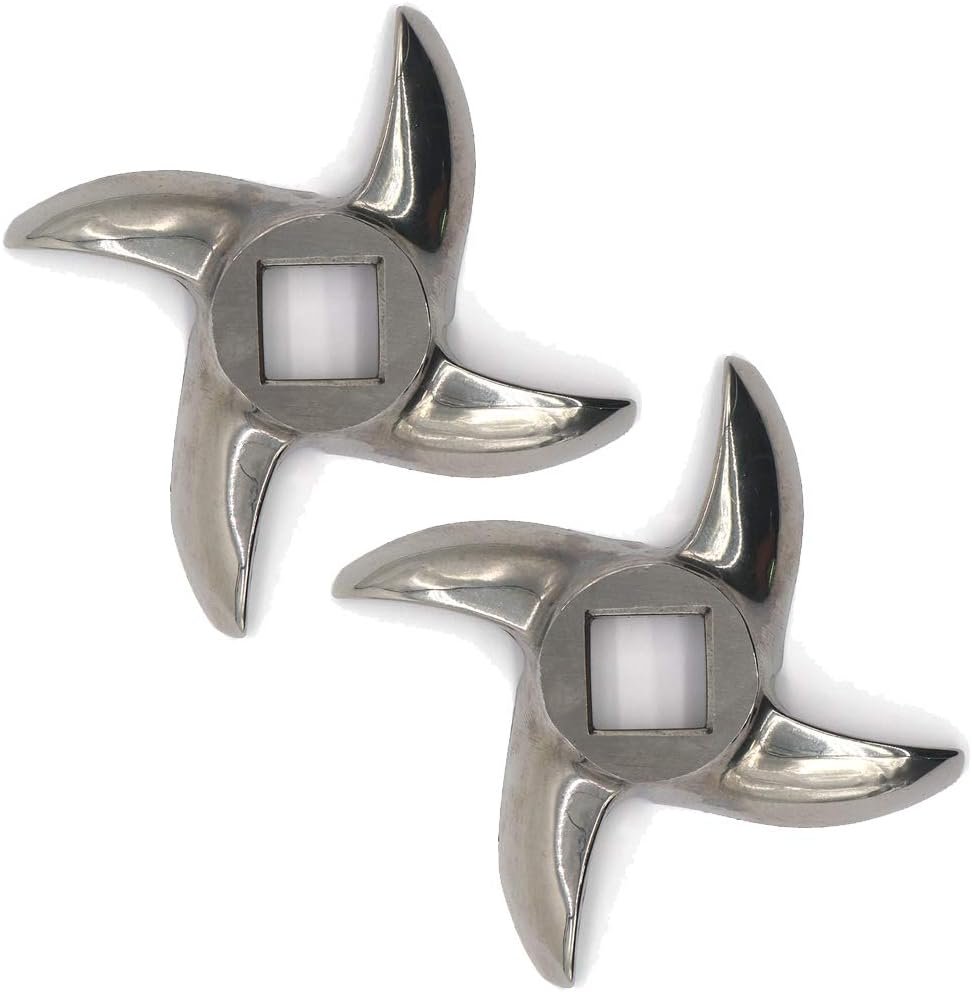
Selecting the optimal meat grinder blade replacement is a critical decision for home butchers and culinary enthusiasts aiming to achieve consistent, high-quality ground meat. The VTurboWay 2 Pcs #12 Meat Grinder Blade Stainless Steel Knife Cutter Replacement represents a practical solution for users requiring durable, precision-engineered cutting components. Its design caters to home users who prioritize efficiency and reliability in their meat preparation processes. The blade’s 12mm square hole size and SS420 stainless steel construction ensure functional performance while balancing cost-effectiveness. For those who frequently grind meat for burgers, sausages, or other recipes, this product offers a straightforward replacement option. However, its suitability depends on compatibility with the user’s existing grinder model and adherence to precise installation guidelines. Understanding the blade’s specifications, material properties, and usage requirements is essential for maximizing its effectiveness in meat preparation workflows.
Quick Overview
| Feature | Details |
|---|---|
| Product Category | Meat Grinder Blade Replacement |
| Capacity | 12 millimeters |
| Materials | SS420 Stainless Steel |
| Intended Use | Grinding and mincing meat in electric food mill grinders |
| Compatibility | Fits common #12 meat grinders (measure before purchase) |
| Best Suited For | Home users needing replacement blades |
| Intended Use Cases | Chopping, grinding, and mincing meat |
| Warranty | None specified |
The VTurboWay 2 Pcs #12 Meat Grinder Blade combines functional design with cost-effective materials. Its stainless steel composition ensures resistance to corrosion, while the 12mm square hole size is tailored for standard grinding applications. However, users must carefully verify their grinder’s specifications to ensure compatibility, as the blade is not guaranteed to fit all models. This product is ideal for those who require a straightforward, affordable solution for blade replacement, provided their equipment meets the specified size requirements.

Compatibility and Fit: Ensuring the Blade Works with Your Meat Grinder
The blade’s compatibility with a meat grinder is a critical factor in its usability. The 12mm square hole size is designed for common #12 meat grinders, but users must verify their machine’s specifications before purchasing. This requirement stems from the blade’s potential size deviation, which could lead to installation issues if the grinder’s spiral drill dimensions differ. The manufacturer emphasizes that the blade is not guaranteed to fit certain models, such as the KitchenAid sausage maker or the LEM #12 grinder, due to variations in design. This limitation underscores the importance of precise measurement and verification prior to purchase. While the blade’s compatibility with standard grinders is a key advantage, its exclusion from specific models may restrict its appeal to a narrower audience. For users with compatible equipment, the blade offers a reliable and cost-effective solution for grinding tasks.

Precision Fit and Size Verification
The blade’s 12mm square hole size and 61mm diagonal length are critical for ensuring a secure fit within the grinder’s spiral drill. However, the manufacturer acknowledges that slight deviations may occur due to production variations, necessitating a direct measurement of the user’s machine before purchase. This step is essential to prevent installation errors, which could compromise the blade’s performance or cause damage to the grinder. Users are advised to measure the spiral drill dimensions accurately to confirm the blade’s suitability, as the product’s compatibility is not guaranteed for all models. This verification process is a necessary precaution to maximize the blade’s effectiveness in meat grinding applications.
Exclusions and Model Specificity
The blade is explicitly stated to be incompatible with several popular meat grinder models, including the KitchenAid sausage maker and the LEM #12 grinder. These exclusions are significant for users who own these specific machines, as they may need to seek alternative replacement options. The manufacturer’s decision to exclude these models likely stems from design differences in the spiral drill or other structural components. While this limitation reduces the product’s applicability to a broader range of users, it ensures that the blade is tailored for standard #12 grinders. This specificity highlights the importance of verifying compatibility before purchase, as the blade is not universally compatible with all meat grinding equipment.
Installation and User Responsibility
Users must take full responsibility for verifying the blade’s compatibility with their meat grinder, as the manufacturer does not guarantee its fit for all models. This requirement places the onus on the buyer to measure their machine’s spiral drill dimensions accurately. The blade’s inclusion in the product listing is intended for users who have already confirmed their grinder’s specifications and require a replacement blade. This approach ensures that the product serves its intended purpose without unnecessary complications, but it also means that some users may find the blade unsuitable for their equipment. The installation process is straightforward for compatible models, but the lack of guaranteed compatibility is a notable consideration for potential buyers.
Material Quality and Durability: Assessing the Blade’s Construction
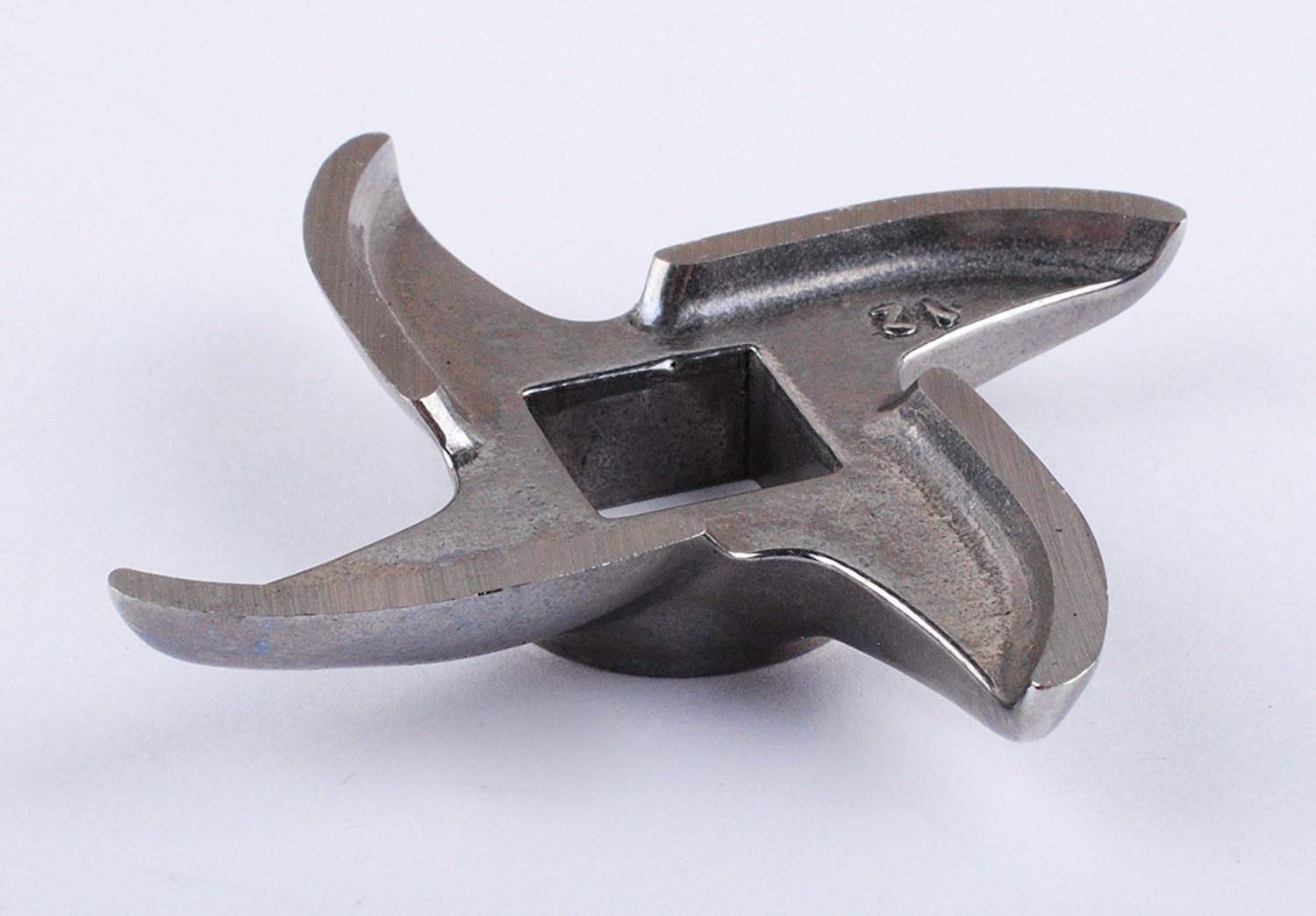
The blade’s construction from SS420 stainless steel is a key factor in its performance and longevity. This material offers a balance between durability and cost-effectiveness, making it suitable for frequent use in meat grinding applications. However, the blade’s fragility, as noted in the product description, introduces a potential limitation for users who require a highly durable tool. The stainless steel composition provides resistance to corrosion and wear, which is essential for maintaining the blade’s sharpness over time. While this material choice is advantageous for most users, the blade’s susceptibility to damage if dropped or mishandled may affect its long-term usability. Users must exercise care during installation and use to prevent any potential breakage, as the blade’s fragility is a critical consideration in its overall performance.
Corrosion Resistance and Longevity
The SS420 stainless steel used in the blade’s construction provides excellent resistance to corrosion, which is crucial for maintaining the blade’s integrity in a meat grinding environment. This property ensures that the blade remains functional even after repeated use, as exposure to moisture and food particles is a common occurrence. The stainless steel’s inherent durability helps prevent rust and degradation, which can compromise the blade’s effectiveness over time. While this characteristic is a significant advantage, it does not eliminate the need for proper maintenance, as prolonged use without cleaning could still lead to wear and tear. The blade’s ability to withstand environmental factors enhances its reliability for home users, but regular care is still necessary to preserve its performance.
Fragility and Handling Precautions
Despite its corrosion-resistant properties, the blade’s fragility is a notable drawback that users must be aware of. The manufacturer explicitly warns against dropping the blade, as this could result in damage or breakage. This caution is particularly relevant for users who may mishandle the blade during installation or use, as the blade’s delicate nature could lead to premature failure. While the stainless steel construction offers some level of durability, the blade’s susceptibility to impact-related damage means that users must exercise caution to avoid unnecessary wear. The fragility of the blade is a critical consideration for those who prioritize long-term reliability, as any mishandling could significantly impact its lifespan and effectiveness.
Maintenance and Longevity Considerations
Proper maintenance is essential for maximizing the blade’s longevity and ensuring its continued performance in meat grinding tasks. While the SS420 stainless steel construction provides resistance to corrosion, regular cleaning and storage practices are necessary to prevent the accumulation of food residue or bacterial growth. Users should avoid exposing the blade to excessive moisture or harsh chemicals, as this could compromise its structural integrity. Additionally, the blade’s fragility means that users must take precautions to prevent accidental damage, which could shorten its usable lifespan. By following these maintenance guidelines, users can extend the blade’s effectiveness and ensure it remains a reliable tool for their meat preparation needs.
Ease of Installation and Use: Simplifying the Replacement Process
The VTurboWay 2 Pcs #12 Meat Grinder Blade is designed for straightforward installation, making it an accessible option for users seeking a replacement blade. The blade’s compatibility with common #12 meat grinders simplifies the replacement process, as users only need to ensure their machine meets the specified size requirements. However, the necessity of verifying the spiral drill dimensions before purchase adds a layer of responsibility for the buyer, as the blade is not guaranteed to fit all models. This requirement highlights the importance of accurate measurement to prevent installation issues, which could otherwise lead to ineffective performance or damage to the grinder. For users with compatible equipment, the installation process is relatively simple, but the lack of guaranteed compatibility is a key consideration for potential buyers.

Installation Steps and User Responsibility
Users must take the initiative to measure their meat grinder’s spiral drill dimensions to confirm the blade’s compatibility, as the manufacturer does not guarantee its fit for all models. This step is crucial to prevent installation errors that could compromise the blade’s effectiveness or cause damage to the grinder. The blade’s inclusion in the product listing assumes that users have already verified their machine’s specifications, ensuring that the blade serves its intended purpose without unnecessary complications. While this approach ensures that the product is suitable for compatible models, it also means that some users may find the blade unsuitable for their equipment. The installation process is straightforward for those with matching specifications, but the lack of guaranteed compatibility is a notable limitation.
User Experience and Workflow Efficiency
The blade’s ease of installation contributes to a streamlined workflow for users who require a replacement blade. Once the user confirms the compatibility of their meat grinder, the installation process is relatively simple, allowing for quick integration into their existing equipment. This efficiency is particularly beneficial for home users who prioritize convenience and reliability in their meat preparation processes. However, the need for prior verification of compatibility may introduce an additional step that could be time-consuming for some users. The blade’s straightforward installation aligns with the product’s design intent, but the responsibility of verifying compatibility remains a critical factor in its usability.
Potential Challenges in Installation
While the blade’s design aims to simplify the replacement process, users may encounter challenges if their grinder’s specifications do not align with the blade’s size requirements. The manufacturer’s warning about potential size deviations underscores the importance of accurate measurement before purchase. Any misalignment could result in installation difficulties, which may require the user to seek alternative replacement options. This potential challenge highlights the necessity of verifying compatibility to ensure the blade functions as intended. For users who adhere to the recommended installation steps, the blade offers a reliable solution for their meat grinding needs, but the lack of guaranteed compatibility remains a significant consideration.
Cleaning and Maintenance: Ensuring Long-Term Performance
Maintaining the VTurboWay 2 Pcs #12 Meat Grinder Blade is essential for preserving its functionality and extending its lifespan. The blade’s SS420 stainless steel construction provides inherent resistance to corrosion, which is a significant advantage in a meat grinding environment. However, regular cleaning and proper storage practices are necessary to prevent the accumulation of food residue or bacterial growth. Users should avoid exposing the blade to excessive moisture or harsh chemicals, as this could compromise its structural integrity. Additionally, the blade’s fragility means that users must take precautions to prevent accidental damage, which could shorten its usable lifespan. By following these maintenance guidelines, users can ensure the blade remains a reliable tool for their meat preparation needs.
Cleaning Procedures and Material Care
The blade’s stainless steel composition makes it relatively easy to clean, as it resists corrosion and staining. Users should wash the blade thoroughly after each use to remove any meat residue or debris, which can accumulate over time and affect its performance. It is recommended to use mild dish soap and warm water for cleaning, as harsh chemicals or abrasive cleaners may damage the blade’s surface. Proper cleaning not only maintains the blade’s hygiene but also helps preserve its structural integrity, ensuring it remains effective for repeated use. The ease of cleaning is a notable advantage for users who prioritize hygiene in their meat grinding processes.
Storage and Longevity Considerations
Proper storage is crucial for maintaining the blade’s condition and preventing unnecessary wear. The blade should be stored in a dry environment to avoid moisture-related damage, as excessive humidity can compromise its structural integrity over time. Users should also avoid exposing the blade to extreme temperatures, as this could affect its performance or lead to material degradation. By adhering to these storage guidelines, users can prolong the blade’s lifespan and ensure it remains a reliable tool for their meat grinding needs. The blade’s material properties support long-term usability when maintained correctly.
Preventative Maintenance and Usage Tips
To maximize the blade’s longevity, users should implement preventative maintenance practices that minimize wear and tear. This includes regular inspection for signs of damage, such as cracks or deformations, which could indicate the need for replacement. Users should also avoid using the blade for tasks beyond its intended purpose, as this could lead to premature failure. The blade’s fragility means that users must exercise caution during installation and use to prevent any unnecessary stress on the material. By following these maintenance tips, users can ensure the blade remains functional and effective for their meat preparation needs.
Pros & Cons
Pros
- Compatibility with Common #12 Grinders: The blade is designed for standard #12 meat grinders, offering a practical solution for users with compatible equipment.
- Stainless Steel Construction: The SS420 material provides corrosion resistance, ensuring the blade remains functional over time.
- Ease of Installation: Once verified for compatibility, the blade is straightforward to install, reducing the complexity of replacement processes.
- Cost-Effective Replacement Option: The product offers a budget-friendly alternative for users needing blade replacements.
- Durable Material for Frequent Use: The stainless steel composition supports long-term use without significant wear.
- Clear Instructions for Use: The product description provides guidance on measuring and verifying compatibility before purchase.
- Suitable for Home Use: The blade is ideal for home users who prioritize convenience and reliability in their meat grinding tasks.
- Lightweight Design: The 0.07 kilograms weight makes the blade easy to handle and maneuver during installation.
Cons
- Potential Size Deviations: The blade may not fit all #12 grinders due to production variations, requiring users to measure their machine before purchase.
- Not Guaranteed for Specific Models: The blade is explicitly excluded from fitting certain popular models, limiting its applicability to a narrower user base.
- Fragility Concerns: The stainless steel construction, while durable, makes the blade susceptible to damage if dropped or mishandled.
- Installation Responsibility: Users must take full responsibility for verifying compatibility, which could be time-consuming for some.
- Limited Warranty Information: The product does not specify warranty details, leaving users without recourse for potential defects or malfunctions.
- Need for Precise Measurement: The necessity of measuring the spiral drill dimensions adds an extra step to the purchase and installation process.
- Potential for User Error: Misalignment or incorrect installation could lead to ineffective performance or damage to the grinder.
Final Verdict: Who This Product Is Best For (and Who Should Skip It)
The VTurboWay 2 Pcs #12 Meat Grinder Blade is best suited for home users who own compatible #12 meat grinders and require a cost-effective replacement option. Its stainless steel construction and straightforward installation process make it an appealing choice for those who prioritize reliability and ease of use in their meat preparation tasks. However, users who own specific models such as the KitchenAid sausage maker or the LEM #12 grinder should skip this product, as it is explicitly excluded from compatibility with these models. Additionally, users who prioritize extreme durability or are concerned about the blade’s fragility may find this product less suitable. For the target audience, the blade offers a practical and affordable solution, but its limited compatibility and fragility are critical considerations for potential buyers.
The blade’s design and material properties align with the needs of users who value simplicity and cost-effectiveness in their meat grinding processes. While its stainless steel construction ensures long-term usability, the necessity of verifying compatibility adds a layer of responsibility for the buyer. For those who meet the specified requirements, the blade represents a reliable and efficient replacement option. However, its exclusions and fragility make it a less ideal choice for users with specific equipment or stringent durability requirements. Overall, the product serves its intended purpose for compatible users, but its limitations should be carefully evaluated before making a purchase decision.
Frequently Asked Questions (FAQs)
Is the VTurboWay 2 Pcs #12 Meat Grinder Blade compatible with all meat grinders?
The blade is designed for common #12 meat grinders, but users must verify their machine’s spiral drill dimensions before purchase. It is explicitly excluded from fitting certain models like the KitchenAid sausage maker and LEM #12 grinder.
What material is the blade made of, and how does it affect performance?
The blade is constructed from SS420 stainless steel, which provides corrosion resistance and durability. However, its fragility means users must handle it with care to prevent damage.
How do I ensure the blade fits my meat grinder?
Measure your grinder’s spiral drill dimensions to confirm compatibility. The blade’s 12mm square hole size and 61mm diagonal length are critical for proper fit.
What are the maintenance requirements for the blade?
Regular cleaning with mild soap and water is recommended to prevent residue buildup. Store the blade in a dry environment to avoid moisture-related damage.
Can the blade be used for tasks beyond meat grinding?
The blade is specifically designed for grinding and mincing meat. Using it for other tasks may lead to premature wear or damage due to its fragility.
Is there a warranty for the blade?
The product does not specify warranty details, so users should contact the manufacturer directly for any issues related to defects or malfunctions.
How does the blade’s fragility impact its longevity?
The blade’s fragility means it is susceptible to damage if dropped or mishandled. Users must exercise caution to prevent breakage, which could shorten its lifespan.
What should I do if the blade doesn’t fit my grinder?
Contact the manufacturer directly with your machine’s model details to confirm compatibility. They may offer a refund if the blade is not suitable for your equipment.