GROSCHE White Milano Stovetop Espresso Maker, 6 Cup Review
The GROSCHE White Milano Stovetop Espresso Maker: A Modern Moka Pot for Home Baristas
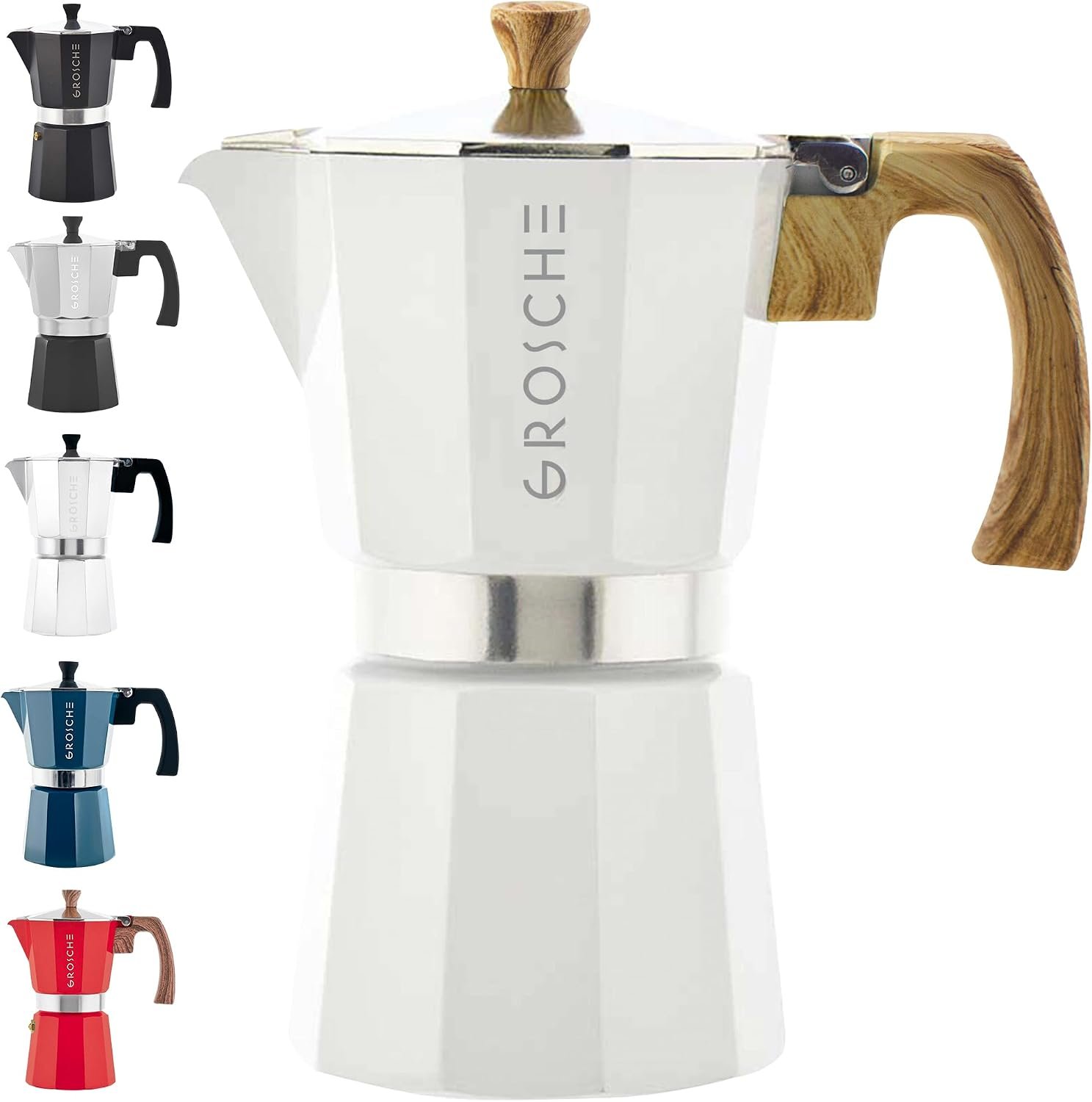
In the world of home espresso brewing, few products offer the combination of heritage and innovation as effectively as the GROSCHE White Milano Stovetop Espresso Maker. Designed for those who seek a rich, aromatic Moka-style coffee experience without the complexity of electric machines, this 6-cup model bridges the gap between traditional stovetop espresso makers and modern brewing convenience. With its sleek white finish, durable anodized aluminum construction, and Italian-inspired safety features, the Milano has become a go-to choice for coffee enthusiasts who prioritize manual brewing with minimal fuss. For users navigating the nuances of stovetop espresso preparation, this product’s design and functionality offer a compelling case study in balancing tradition with practicality. Whether you’re an experienced barista or a novice exploring the world of espresso, understanding how this machine’s specifications shape its performance is essential to making an informed choice.
Quick Overview
| Feature | Details |
|---|---|
| Product Category | Stovetop Espresso Maker / Moka Pot |
| Brewing Method | Manual pressure-based percolation |
| Capacity | 6 cups (24 oz) |
| Materials | Food-grade anodized aluminum, silicone gasket |
| Stovetop Compatibility | Gas, electric, propane; glass induction (with heat limitations) |
| Brew Output | Moka-style espresso or low-pressure coffee |
| Ideal Users | Home baristas, espresso enthusiasts, small households |
| Best Use Cases | Daily coffee brewing, latte preparation with milk frother |
The GROSCHE White Milano’s design prioritizes durability and safety, with a focus on heat retention and pressure management. Its anodized aluminum body ensures even heating while the silicone gasket maintains a secure seal, crucial for consistent brewing. While it lacks automatic features, its manual operation allows users to fine-tune the process for personalized extraction. These design choices directly impact how quickly and efficiently it produces a full-bodied espresso, making it a practical alternative to electric machines for those who value simplicity and tradition.

Brewing Method Compatibility and Output

Moka-Style Pressure Dynamics
The GROSCHE White Milano employs a classic Moka pot principle, where steam pressure from heated water forces coffee through a filter into the upper chamber. This method is distinct from traditional espresso machines, which use high-pressure pumps to extract concentrated shots. Instead, the Milano relies on ambient heat and manual operation to create a balanced brew. The pressure generated is lower than that of espresso machines, resulting in a coffee with medium body and moderate acidity. This makes it ideal for those seeking a less intense, more aromatic cup reminiscent of traditional Moka pots.
Low-Pressure Extraction Science
The low-pressure extraction process of the Milano affects both flavor profile and brewing time. Unlike high-pressure espresso, which can over-extract bitter compounds, the Milano’s method allows for a more gradual extraction. This typically results in a coffee that maintains its natural acidity and brightness, with notes of chocolate or caramel depending on the beans used. The slower brew time—often 5-7 minutes compared to espresso’s under a minute—encourages users to pay closer attention to their grind size and water temperature, enhancing the learning experience for new baristas.
Brew Consistency and Serving Flexibility
Consistency in brewing depends on the user’s ability to manage heat and pressure. The Milano’s design ensures that once water reaches a boil, it maintains a steady flow through the filter. However, variations in stove heat can lead to uneven extraction, making it less forgiving than electric machines. The 6-cup capacity is perfect for small households or individuals who want to experiment with different milk additions, such as steamed milk for lattes. This flexibility allows users to adapt the machine to their preferred coffee styles without needing multiple appliances.
Ease of Use and Workflow Complexity

Manual Operation for Control and Learning
The Milano’s reliance on manual operation places the brewing responsibility squarely on the user. While this may seem daunting to beginners, it also offers greater control over variables like heat management and grind consistency. Unlike electric espresso machines with automated features, the Milano requires users to monitor the brewing process closely, which can be advantageous for those looking to develop their skills. The absence of buttons or digital interfaces means there are fewer moving parts to troubleshoot, but it also means users must adapt to the machine’s slower pace.
Learning Curve and User Experience
For experienced baristas, the Milano’s design aligns with traditional Moka pot techniques. However, novices may find the process overwhelming at first. The lack of pressure regulation means users must adjust their technique to avoid under- or over-extraction, a challenge that can be frustrating for those accustomed to electric machines. The machine’s design also means it requires more attention during brewing, which could be a drawback for those who prefer hands-off coffee preparation. That said, the simplicity of its operation ensures that even infrequent users can master it with practice.
Stovetop Compatibility and Heat Management
The Milano’s compatibility with gas, electric, and propane stovetops offers versatility for different kitchen setups. However, its performance on glass induction stoves is limited due to the lack of magnetic properties in aluminum. Users with these stovetops may notice slower heating times, which could affect brewing efficiency. Additionally, the machine’s heat retention properties are influenced by its anodized aluminum construction, which conducts heat evenly but requires careful monitoring to prevent overcooking. These factors highlight the importance of understanding how different stovetop types interact with the Milano’s design.
Temperature Control and Heat Stability

Thermal Conductivity of Materials
The GROSCHE White Milano’s anodized aluminum construction plays a critical role in its thermal performance. Anodized aluminum is prized for its ability to conduct heat efficiently, which ensures that water reaches a boil quickly and maintains consistent temperatures throughout the brewing process. This is particularly important for Moka-style coffee, where even heat distribution prevents localized scalding of the filter or gasket. However, users should be aware that the material’s high thermal conductivity means the machine can become hot to the touch, necessitating caution when handling.
Heat Retention and Brewing Efficiency
While the Milano’s materials promote even heating, they also mean the machine can retain heat for extended periods. This is a double-edged sword: it ensures that once brewing begins, the process remains stable, but it also means users must avoid prolonged exposure to heat sources that could damage the gasket or interior components. The design’s emphasis on durability suggests that it can withstand repeated use, making it a long-term investment for those who prioritize manual brewing.
Impact on Brew Quality and User Experience
Temperature stability directly affects the extraction quality of the Milano’s coffee. A consistent temperature ensures that the water remains within the optimal range for extracting flavor without over-extracting bitter compounds. However, users on glass induction stoves may need to adjust their technique to account for slower heating times. The machine’s design does not include temperature control features, which means users must rely on their own judgment to manage the brew. This lack of automation can be a point of frustration for some but also an opportunity for those looking to refine their skills.
Cleaning and Maintenance Expectations

Material Care and Dishwasher Safety
The Milano’s anodized aluminum body is resistant to corrosion but requires gentle cleaning to preserve its finish. The product’s specifications explicitly state that it is not dishwasher safe, which means users must hand-wash the machine to avoid damaging the finish or gasket. This is a common limitation among stovetop espresso makers, as harsh detergents or abrasive scrubbing can degrade the anodized layer over time. Users should opt for mild soap and a soft sponge to maintain the machine’s longevity.
Gasket Maintenance and Replacement Costs
The Milano’s silicone gasket is a critical component for maintaining pressure during brewing. While the product’s description highlights its premium quality, users should be aware that gaskets are not included with the machine and may need to purchase replacements separately. The design of the gasket, which includes a soft-touch handle with a burn guard, addresses common complaints about hot handles but does not eliminate the need for periodic inspection and replacement. This is an important consideration for users who rely on the machine frequently.
Longevity and Maintenance Tips
Proper maintenance can extend the life of the GROSCHE White Milano. Regular cleaning after each use, especially around the gasket and filter area, prevents residue buildup that could affect future brews. Additionally, users should avoid using abrasive cleaners or soaking the machine in water for extended periods, as this can compromise its structural integrity. The machine’s build quality and materials suggest it is designed for long-term use, but its manual operation means that maintenance diligence is essential to preserving performance.

Pros & Cons
Pros
- Durable anodized aluminum construction ensures even heat distribution and long-term use.
- Italian Safety Valve prevents pressure buildup, making it safer for home use compared to traditional Moka pots.
- Compatibility with gas, electric, and propane stovetops offers flexibility for different kitchen setups.
- Sleek white finish and modern design make it a visually appealing addition to any kitchen.
- Manual operation allows for personalized extraction control, ideal for coffee enthusiasts seeking precision.
- Includes a milk frother for easy latte or cappuccino preparation without additional equipment.
- Compact size and 6-cup capacity suit small households or solo baristas.
Cons
- Requires careful heat management on glass induction stoves, leading to slower brewing times.
- Not dishwasher safe, necessitating time-consuming handwashing for maintenance.
- Limited temperature control means users must manually monitor the brewing process.
- No pressure regulation features may challenge novice users seeking automation.
- Gasket replacements are not included, adding to long-term maintenance costs.
- Lower pressure extraction results in a coffee with less intensity compared to traditional espresso machines.
Final Verdict: Who This Product Is Best For (and Who Should Skip It)
The GROSCHE White Milano Stovetop Espresso Maker is an excellent choice for coffee enthusiasts who appreciate the traditional Moka-style brewing process. Its durable construction, Italian safety features, and compatibility with multiple stovetop types make it a versatile option for those who want to brew rich, aromatic coffee without the complexity of electric machines. The machine’s manual operation appeals to users who enjoy fine-tuning their extraction process, making it ideal for home baristas and espresso lovers.
However, this product may not be the best fit for those who prioritize speed or automation. The need for careful heat management and manual oversight could be a drawback for users who prefer hands-off brewing. Additionally, individuals with glass induction stoves may find the slower heating times inconvenient. While its compact size and design make it a great fit for small households, the lack of temperature control features may deter those seeking more precise extraction. Overall, the Milano is a reliable choice for those who value tradition and simplicity in their coffee-making routine.

Frequently Asked Questions (FAQs)
Is the GROSCHE White Milano compatible with all stovetop types?
The GROSCHE White Milano is compatible with gas, electric, and propane stovetops. However, it may heat more slowly on glass induction stoves due to the lack of magnetic properties in its anodized aluminum construction. Users with glass-top ranges should be prepared for a slightly longer brewing time.
How does the Milano compare to traditional Moka pots?
The GROSCHE White Milano retains the classic Moka pot brewing method but incorporates modern features like an Italian safety valve and a premium silicone gasket. Unlike traditional Moka pots, it includes a milk frother for latte preparation and offers improved heat retention through its anodized aluminum body.
How does the Milano handle temperature stability?
The Milano’s anodized aluminum construction ensures even heat distribution, maintaining consistent temperatures during brewing. However, users on glass induction stoves may need to adjust their technique due to slower heating times compared to gas or electric stovetops.
Is the Milano suitable for beginners?
The Milano requires some learning curve, particularly regarding heat management and pressure control. While it may be challenging for complete beginners, its manual operation allows users to develop skills over time, making it a good choice for those eager to learn the Moka-style brewing process.
How often should I replace the gasket?
The Milano’s silicone gasket should be inspected regularly for wear, as it is a critical component for maintaining pressure during brewing. Replacement gaskets are available separately, though they are not included with the machine. Regular maintenance helps ensure optimal performance.
What are the limitations of the Milano’s brewing method?
The Milano produces a Moka-style coffee with lower pressure extraction compared to traditional espresso machines, resulting in a less intense brew. Users should be aware that this method may not suit those seeking the stronger body and higher pressure of espresso.
Is the Milano easy to clean?
The Milano is not dishwasher safe and requires handwashing with mild soap to preserve its anodized finish. While this adds to maintenance time, the machine’s durable construction ensures that it can withstand regular use without significant wear.