IMUSA USA B120-42T 3-Cup Stovetop Espresso Maker Review
IMUSA USA B120 Review: Stovetop Espresso Maker Overview
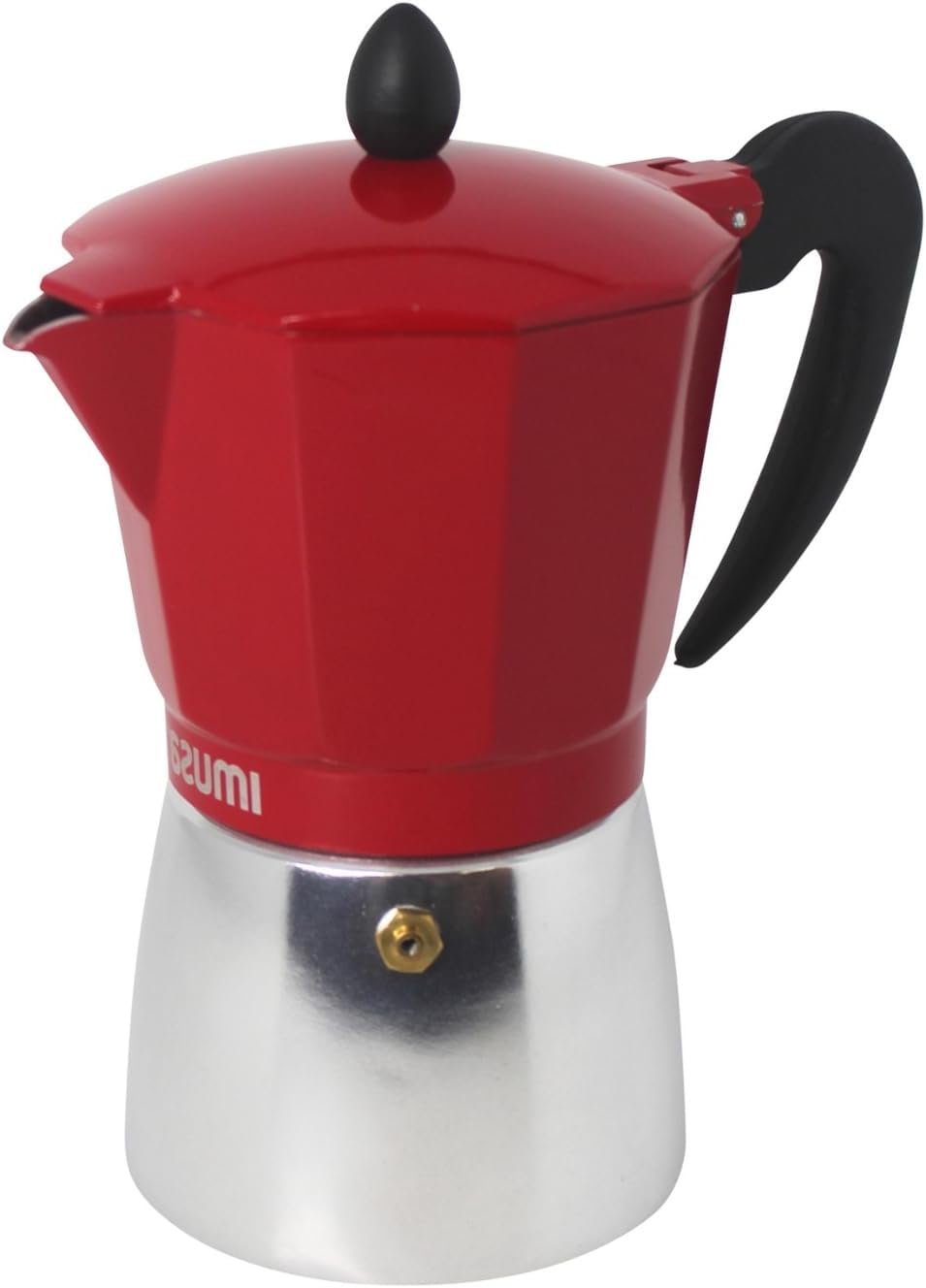
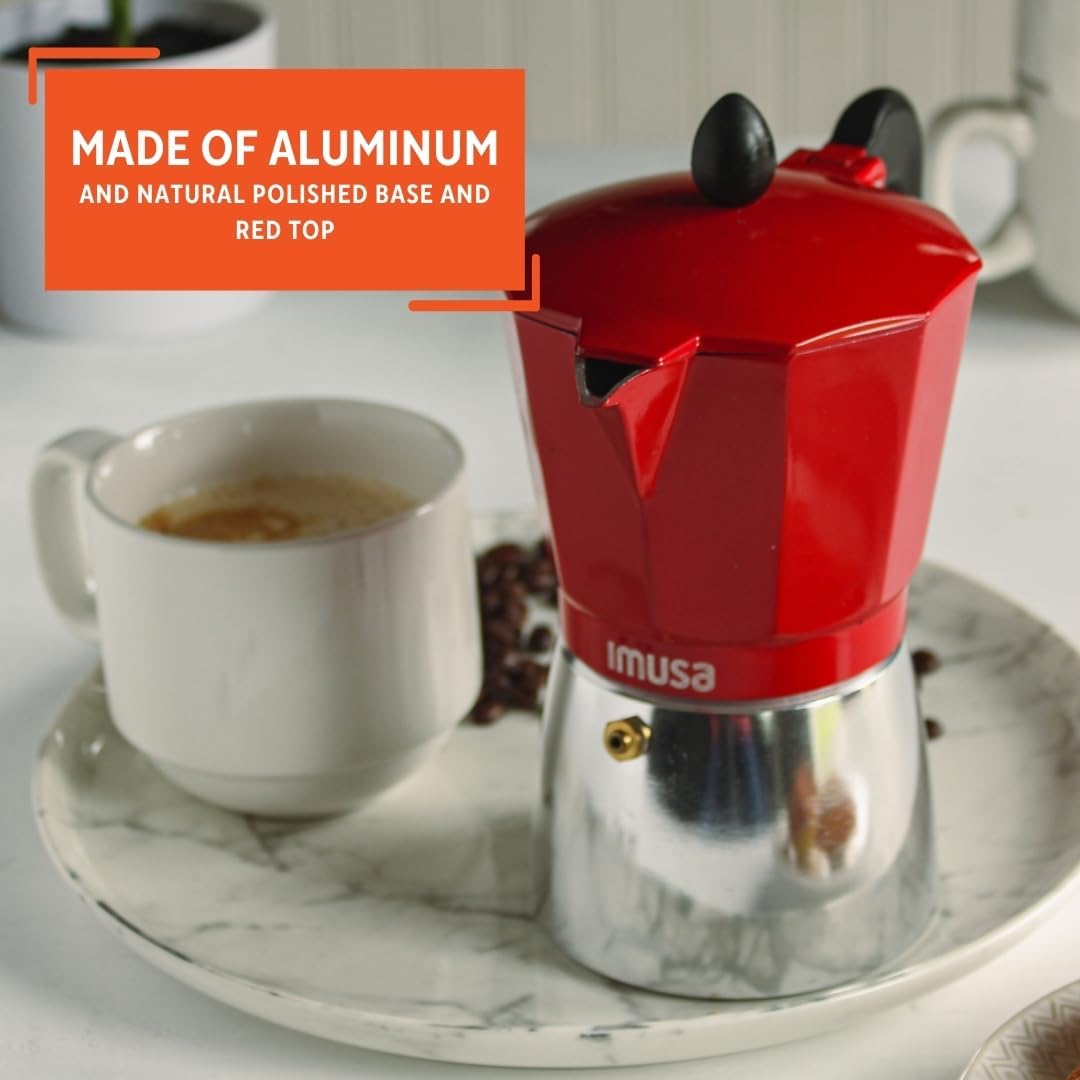
IMUSA USA’s B120-42T stovetop coffeemaker distinguishes itself with a cast aluminum body finished in a bright red anodized exterior, paired with traditional moka-pot brewing engineering rather than electric pumps or digital controls. This IMUSA USA B120 review focuses on how that manual, three-chamber design performs for households that want espresso-style coffee without relying on countertop appliances. The unit belongs to a long-standing category of stovetop espresso and moka pots, where hot water is forced through packed grounds by steam pressure generated on a standard burner. Because the B120-42T draws its heat from a gas or electric stovetop rather than an internal element, its performance depends heavily on burner control, aluminum thickness, and how evenly the base absorbs and transfers heat. This model is generally aimed at single users, couples, or small households who prepare espresso, Cuban coffee, or moka-style drinks in small daily batches rather than large-format servings. The following sections examine brewing method compatibility, ease of use, temperature behavior, capacity, cleaning requirements, and overall durability to help shoppers decide whether this particular stovetop coffeemaker fits their kitchen routine and coffee preferences in 2026.
Quick Overview
| Feature | Details |
|---|---|
| Product Type | Stovetop espresso maker (moka pot style) |
| Brewing Method | Manual, steam-pressure stovetop extraction |
| Capacity | 3 cups (approximately 4 ounces total yield) |
| Construction Material | Cast aluminum with anodized exterior |
| Color | Red body with natural aluminum accents |
| Heating Compatibility | Gas stovetop; not designed for induction |
| Filter Type | Reusable metal filter basket, no paper filters needed |
| Handle & Lid | Cool-touch handle and knob, flip-top lid |
| Dimensions | 3.7 inches D x 4.7 inches W x 6.3 inches H |
| Item Weight | 0.64 pounds |
| Dishwasher Safe | No, hand wash only |
| Warranty | 90-day manufacturer warranty |
These specifications point toward a lightweight, entry-level stovetop brewer built for quick, small-batch espresso-style coffee rather than large volumes or automated operation. The aluminum construction and reusable filter reduce ongoing consumable costs, while the compact footprint suits smaller kitchens and stovetops. Buyers should weigh the fully manual brewing process and gas-stovetop orientation against their daily routine before committing to this format over an electric alternative.

Brewing Method and Compatibility
The IMUSA B120-42T uses the classic three-chamber moka pot principle: water in the base heats until steam pressure pushes it upward through a packed bed of finely ground coffee in the metal filter basket, collecting in the upper chamber as concentrated coffee. This method produces a brew style closer to strong, espresso-adjacent coffee than to drip coffee, since the extraction relies on pressure and grind fineness rather than gravity filtration alone. Compatibility matters here because the product specifications list it as gas stovetop compatible, which signals that the base is optimized for direct flame contact rather than the flat, magnetic-sensing surfaces used by induction cooktops. Buyers with electric coil or gas ranges are the most straightforward fit, while induction-only kitchens will likely need an additional interface disk or a different model altogether.

Moka-Style Extraction Explained
Moka extraction differs from both drip brewing and pump-driven espresso machines because pressure is generated passively by boiling water rather than mechanically controlled. This produces a concentrated, full-bodied cup often used as a base for lattes, cappuccinos, or Cuban-style coffee rather than being consumed the same way as drip coffee. Because there is no pressure gauge or digital readout, extraction quality depends on grind size, tamping consistency, and how closely the user monitors the stovetop flame during brewing.
Stovetop and Range Compatibility
The listed gas stovetop compatibility indicates the aluminum base is designed for open-flame heating rather than the flat contact required by induction ranges, which need a ferrous metal base to generate an induction current. Electric coil and radiant glass-top ranges can generally accommodate the base as well, provided the burner size roughly matches the pot’s diameter. Owners with induction-only kitchens should treat this as a limiting factor before purchase, since aluminum alone will not heat efficiently on that surface type.
Grind and Filter Requirements
Moka pots require a grind finer than standard drip coffee but coarser than espresso machine grinds, since overly fine grounds can clog the metal filter basket and slow water flow, while coarse grounds allow water to pass too quickly for proper extraction. The reusable metal filter basket eliminates ongoing paper filter costs and reduces waste, but it also means grind consistency falls entirely on the user’s grinder rather than a machine-controlled brewing cycle. A burr grinder set to a moka-appropriate coarseness generally produces more even results than blade grinders, which tend to create inconsistent particle sizes.
Ease of Use and Daily Workflow
Operating the B120-42T involves filling the base with water up to the safety valve, packing the metal filter basket with ground coffee, threading the upper and lower chambers together, and placing the assembly on a burner until coffee fills the top chamber. This workflow demands more direct user involvement than pod-based or automatic drip machines, requiring the user to monitor heat levels and listen for the characteristic gurgling sound that signals the brew cycle is finishing. The cool-touch handle and knob are specifically included to offset the fact that the aluminum body itself becomes very hot during brewing, allowing for safer handling once the coffee is ready. The flip-top lid and integrated pour spout are designed to streamline serving directly from the pot. For users accustomed to one-touch electric machines, this manual process represents a learning curve, though it remains straightforward once the basic assembly and heat-monitoring routine becomes familiar.

Assembly and Fill Process
Filling and assembling the pot involves three separate components: the water reservoir base, the coffee-holding filter funnel, and the upper collection chamber, which must be threaded together securely to maintain pressure during brewing. Improper assembly or an unsealed gasket can allow steam to escape from the sides rather than forcing water through the grounds, reducing extraction efficiency. This three-piece design is standard across most stovetop moka pots and is not unique to this model, but it does mean new users benefit from reviewing assembly guidance before first use.
Handle, Lid, and Pour Design
The cool-soft touch handle and knob are practical additions given how hot the aluminum body becomes on an active burner, reducing the risk of burns when removing the pot from heat or pouring. The flip-top lid combined with the built-in spout is intended to allow one-handed pouring directly into cups, avoiding the need to transfer coffee into a separate serving vessel. These ergonomic touches address common friction points reported with older or less refined stovetop pot designs.
Temperature Control and Brew Consistency
Because the B120-42T has no thermostat, pressure gauge, or automatic shutoff, temperature control is entirely a function of stovetop burner management rather than built-in electronics. The manufacturer’s even heat distribution claim relates to how the cast aluminum base conducts and spreads heat across the bottom surface, which affects how uniformly the water inside reaches boiling and how consistently steam pressure builds. Aluminum is prized in cookware for its high thermal conductivity, meaning it heats and responds to flame changes quickly, but this same responsiveness can lead to over-extraction or scorched coffee if the burner runs too hot or brewing is left unattended. Brew consistency, therefore, depends less on the pot itself and more on the user’s ability to modulate flame intensity, use a moderate burner setting, and remove the pot promptly once the top chamber fills, rather than relying on any automated cutoff.

Even Heat Distribution in Practice
Cast aluminum construction spreads heat more evenly across the base than thinner stamped metal alternatives, which helps reduce hot spots that can cause localized boiling or uneven extraction. This construction quality is one of the more meaningful differentiators between budget stovetop pots and better-built aluminum models, since thin-walled bases are more prone to warping and inconsistent heating over repeated use. Even so, no stovetop pot can fully replicate the precision of an electric machine with digital temperature regulation.
Avoiding Over-Extraction and Scorching
Because there is no automatic shutoff, leaving the pot on high heat past the point where the top chamber fills can pull excess steam through already-extracted coffee, producing a bitter or burnt flavor profile. Industry-standard guidance for moka brewing recommends a low-to-medium flame and removing the pot from heat as soon as the flow of coffee slows to a sputtering sound. This makes attentive brewing a practical requirement rather than an optional refinement for this type of manual coffeemaker.
Capacity and Serving Flexibility
The 3-cup designation reflects the small demitasse-style servings typical of moka pot terminology, yielding roughly four ounces of concentrated coffee per brewing cycle rather than four standard 8-ounce mugs. This makes the B120-42T best suited to single users or couples who want a quick, strong coffee base for straight espresso-style drinking or for building lattes and cappuccinos with added milk. Households that regularly need larger volumes, such as those serving multiple people simultaneously or preparing drip-style mugs of coffee, will find the output modest compared to standard coffee makers, and may need to brew multiple batches back-to-back or consider a larger-capacity stovetop model. The compact 3.7 by 4.7 by 6.3 inch dimensions and 0.64-pound weight also make it easy to store in smaller kitchens, but that same compactness caps how much coffee can be produced in a single cycle.
Right-Sizing for Small Households
For one or two daily coffee drinkers, the 3-cup yield aligns well with the typical serving size of a shot-based espresso drink or a small Cuban-style cortadito, making repeated single-batch brewing unnecessary for most mornings. This sizing also limits leftover coffee that might otherwise sit and lose freshness, since the entire batch is generally consumed shortly after brewing.
Scaling Up for Guests
Entertaining larger groups or families with several coffee drinkers requires either sequential brewing cycles or supplementing with a larger stovetop pot or electric machine, since the B120-42T’s fixed 3-cup chamber cannot be scaled up on demand. Buyers who frequently host guests or need to serve four or more people at once should factor in this capacity ceiling before relying on the product as a sole brewing solution.
Cleaning, Maintenance and Long-Term Durability
The product specifications explicitly note that the B120-42T is not dishwasher safe, meaning long-term care depends on hand washing with mild soap, warm water, and prompt drying to prevent pitting or discoloration common to bare and anodized aluminum cookware. Aluminum is reactive to harsh detergents, abrasive scrubbers, and prolonged moisture exposure, so gentle cleaning practices help preserve both the anodized red finish and the base metal’s structural integrity over years of stovetop use. The reusable metal filter basket avoids the recurring cost and waste of paper filters but requires regular removal of spent grounds and periodic descaling in areas with hard water, since mineral buildup can gradually restrict water flow through the filter. Combined with a 90-day manufacturer warranty, the overall maintenance profile favors buyers willing to follow basic hand-care routines in exchange for a lightweight, low-electronics design with fewer components that can mechanically fail compared to pump-driven espresso machines.

Hand-Wash Care for Aluminum
Because aluminum can oxidize or develop a dull patina when exposed to dishwasher detergents and high heat cycles, hand washing immediately after use with a soft sponge helps maintain both appearance and function. Users are generally advised to avoid soaking the pot for extended periods, since prolonged water contact can accelerate corrosion at seams and threaded joints where the chambers connect.
Build Quality and Expected Lifespan
Cast aluminum construction, as opposed to thinner stamped aluminum, tends to hold up better to repeated heating and cooling cycles without warping, which directly affects how well the base seals against the upper chamber over time. A compromised seal from warping or worn gaskets is one of the more common long-term failure points in stovetop moka pots generally, making periodic gasket inspection a reasonable part of ongoing upkeep. The 90-day warranty covers manufacturing defects but does not extend to wear from normal use, so buyers should treat gasket replacement as an eventual maintenance task rather than a defect.

Pros & Cons
Pros
- The cast aluminum construction with anodized finish offers solid heat conduction and a more durable base than thin stamped-metal alternatives, supporting more consistent brewing results over repeated use.
- The reusable metal filter basket removes the ongoing cost and waste associated with paper filters, which is a meaningful advantage for frequent daily brewers.
- The cool-touch handle and knob improve everyday safety and comfort compared to older stovetop pot designs that heat uniformly across every surface.
- The flip-top lid and integrated pour spout simplify one-handed serving directly from the pot into a cup.
- The compact dimensions and light 0.64-pound weight make storage easy in smaller kitchens with limited cabinet or countertop space.
- The manual, electronics-free design reduces the number of components that can mechanically fail compared to pump-driven or digital espresso machines.
- The versatility to prepare espresso, Cuban coffee, lattes, cappuccinos, and moka-style drinks appeals to buyers who want variety from one simple tool.
- The gas stovetop compatibility aligns well with the large share of US households that still cook on gas or electric coil ranges.
Cons
- The unit is not dishwasher safe, requiring consistent hand washing and drying to prevent aluminum discoloration or pitting over time.
- There is no induction compatibility noted, which excludes a growing share of households using induction cooktops exclusively.
- The fixed 3-cup output limits serving flexibility for larger households or gatherings that need multiple servings brewed simultaneously.
- The absence of a pressure gauge or automatic shutoff places full responsibility for avoiding over-extraction or scorching on the user’s attentiveness.
- The 90-day warranty is relatively short compared to some competing stovetop and electric coffee makers on the market.
Final Verdict: Who This Product Is Best For (and Who Should Skip It)
The IMUSA USA B120-42T suits single users, couples, or small households who want an affordable, low-electronics way to brew strong, espresso-style coffee on a gas or electric stovetop, particularly those who already enjoy Cuban coffee, moka drinks, or milk-based espresso beverages made at home. Its compact size, reusable filter, and straightforward three-piece assembly make it a practical fit for buyers who prioritize simplicity and manual control over programmable features, and who don’t mind hand washing cookware as part of their routine. The cast aluminum build and cool-touch ergonomics position it reasonably well against other entry-level stovetop moka pots in its category for 2026.
Buyers with induction cooktops, those needing to serve four or more people at once without multiple brew cycles, or anyone wanting hands-off, programmable brewing with a pressure gauge and automatic shutoff should look elsewhere, since this model’s manual, gas-oriented design does not address those needs. Households seeking a single all-purpose machine for both drip-style mugs and espresso-style shots may also find the fixed capacity and manual process limiting compared to combination electric machines built for varied output volumes.
Frequently Asked Questions (FAQs)
Is the IMUSA USA B120-42T compatible with induction stovetops?
The product is listed as gas stovetop compatible, which relies on direct flame contact for heating rather than the ferrous-metal induction current required by induction cooktops. Because the base is plain cast aluminum rather than an induction-ready material, it is not expected to heat efficiently on induction ranges. Households using induction exclusively should consider a model or adapter specifically designed for that surface type.
How many cups of coffee does the IMUSA B120-42T actually make?
The 3-cup rating refers to small demitasse-style servings typical of moka pot terminology, yielding roughly four ounces of concentrated coffee per brewing cycle rather than three full mugs. This output works well for single users or couples drinking espresso-style coffee or building milk-based drinks, but it is modest compared to standard drip coffee makers. Larger households may need multiple brewing cycles to serve everyone.
Can the IMUSA stovetop espresso maker be washed in a dishwasher?
No, the manufacturer specifications indicate the unit is not dishwasher safe and should be hand washed instead. Aluminum can react to dishwasher detergents and prolonged heat cycles, leading to discoloration, pitting, or a dulled anodized finish over time. Hand washing with mild soap, warm water, and prompt drying is the recommended care approach for maintaining the pot’s appearance and function.
What type of coffee grind works best in a stovetop moka pot like this one?
A grind finer than standard drip coffee but coarser than espresso machine grind generally works best in stovetop moka pots. Grounds that are too fine can clog the metal filter basket and slow water flow, while overly coarse grounds allow water through too quickly for proper extraction. A burr grinder set to a moka-appropriate coarseness typically produces more consistent results than a blade grinder.
Does the IMUSA B120-42T include a paper filter or use a reusable filter?
The unit includes a reusable metal filter basket rather than relying on disposable paper filters, which is standard for stovetop moka-style coffeemakers. This design lowers ongoing consumable costs and reduces waste, though it does require regular removal of spent grounds and periodic descaling in areas with hard water. Grind consistency becomes more important since there is no paper barrier to smooth out fine particles.
What is the difference between moka pot coffee and traditional espresso?
Moka pots use steam pressure generated by boiling water on a stovetop to push water through packed grounds, producing a concentrated brew that is strong but generally lower in pressure than pump-driven espresso machines. Traditional espresso machines use mechanically controlled pressure, often near nine bars, along with precise temperature regulation. Moka coffee is commonly used as a base for lattes, cappuccinos, or Cuban-style drinks rather than being labeled true espresso.
How long does the IMUSA USA B120-42T typically last with regular use?
Cast aluminum construction tends to resist warping better than thinner stamped-metal alternatives, which supports a longer functional lifespan when paired with proper hand-washing care. The most common long-term wear point in stovetop moka pots is the gasket seal between chambers, which may eventually need replacement due to repeated heating and cooling cycles. The 90-day manufacturer warranty covers defects but not gradual wear from normal use.
Who should avoid buying the IMUSA USA B120-42T stovetop espresso maker?
Buyers with induction-only cooktops, those needing to serve four or more people from a single brewing cycle, and anyone wanting automated features like a pressure gauge or automatic shutoff should look at other options. The manual, gas-oriented design also may not suit users who prefer minimal monitoring during brewing, need dishwasher-safe cookware for convenience, or want a longer warranty period than the 90 days offered with this model.